
Ok

Ok

What is the question
Cancel
PICTURE FRAMES
 CUSTOM PICTURE FRAMES
CUSTOM PICTURE FRAMES
Design Your Framing Package Online!
Add Mats, Glass & Acrylic, Mounting Board And More.



Search
☰

My Account
Log In
Favorites
Saved Designs
Shopping Cart
Museum Glass for Picture Frames Explained
Practical guidance for picture framing projects
Clear demonstrations you can review as needed
Help available from experienced picture framing specialists
Understanding Museum Glass for Picture Frames
Tru Vue Museum Glass combines anti-reflective optical coatings with conservation-level UV filtering. It is designed to preserve a clear view of artwork while helping reduce ultraviolet exposure that contributes to fading and material deterioration.
In this video, a WebPictureFrames framing specialist explains how Museum Glass works, how it differs from standard Anti-Reflective Glass and when its combination of presentation and protection is appropriate.
Anti-Reflective Clarity
Optical coatings reduce distracting reflections while preserving a clear view of color, contrast and fine artwork detail.
UV Protection
Conservation-level UV filtering helps reduce exposure that can contribute to fading, discoloration and deterioration.
Traditional Glass Surface
Museum Glass provides the rigidity and everyday scratch resistance associated with traditional picture frame glass.
Material discussed in this video
The Museum Glass Explained Above
The anti-reflective, UV-filtering glazing discussed in this video is available from WebPictureFrames as Tru Vue Museum Glass. Visit the product page for complete specifications, available dimensions, current pricing and ordering options.
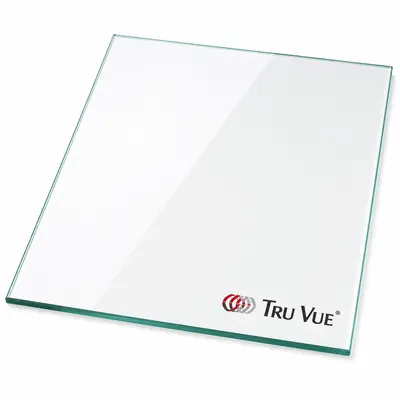
Tru Vue Museum Glass
Shop Museum Glass
When Museum Glass Makes Sense
- Original, valuable, sentimental or irreplaceable artwork
- Fine art, photographs and limited-edition prints
- Signed items, certificates and important documents
- Family photographs and heirlooms
- Artwork where clear color and fine detail are important
- Displays where room reflections interfere with viewing
- Projects that require both UV filtering and anti-reflective clarity
What UV Filtering Can and Cannot Do
Ultraviolet light is one source of damage to paper, photographs, pigments, textiles and other framing materials. Museum Glass reduces UV exposure and can slow UV-related fading and deterioration.
No glazing can prevent every form of fading or aging. Visible light, heat, humidity, pollutants and the stability of the artwork's materials also affect long-term preservation. Avoid displaying valuable artwork in direct sunlight even when UV-filtering glazing is used.
Museum Glass Is Not Matte Non-Glare Glass
Museum Glass reduces reflections through optical coatings rather than a textured matte surface.
- Matte non-glare glass diffuses reflected light with a textured surface.
- The texture can soften fine image details, especially when positioned away from the artwork.
- Museum Glass uses optical coatings to reduce reflections while preserving sharper detail.
- This provides a clearer view of color, texture and contrast.
Museum Glass Versus Anti-Reflective Glass
Both products provide optical reflection control and clear viewing. The deciding factor is whether UV protection is required.
- Museum Glass combines anti-reflective clarity with conservation-level UV filtering.
- Tru Vue Anti-Reflective Glass reduces reflections but does not provide UV protection.
- Museum Glass is more appropriate for valuable, sentimental or light-sensitive artwork.
- Anti-Reflective Glass can be appropriate for replaceable artwork where viewing clarity is the main concern.
When Museum Acrylic May Be More Appropriate
Museum Glass is a traditional glass product and can break. For large frames, frequently moved displays, public spaces or projects where lower weight and break resistance are important, Tru Vue Optium Museum Acrylic may be more appropriate.
Optium provides anti-reflective clarity and UV protection in a lightweight, shatter-resistant acrylic material. It also includes anti-static and abrasion-resistant surface properties.
Handling Coated Museum Glass
Museum Glass has coated surfaces and should be handled carefully. Wear clean gloves, support the glass securely and avoid dragging objects across either surface.
Clean it with a soft, lint-free cloth and a cleaner compatible with coated picture frame glass. Avoid abrasive materials and follow the care instructions supplied with the product.
Museum Glass Questions
What makes Museum Glass different from regular glass?
Museum Glass combines anti-reflective optical coatings with conservation-level UV filtering. Regular glass does not provide the same reflection control or UV protection.
Is Museum Glass the same as non-glare glass?
No. Non-glare glass diffuses reflections with a textured matte surface. Museum Glass uses optical coatings to reduce reflections while preserving clearer artwork detail.
Will Museum Glass prevent all fading?
No glazing can stop every cause of fading. Museum Glass reduces UV exposure, but visible light, heat, humidity and the artwork's materials also affect long-term change.
Is Museum Glass appropriate for large frames?
Glass becomes heavier as frame size increases and can break during handling or transport. Optium Museum Acrylic may be more appropriate when lower weight and break resistance are priorities.
Is Museum Glass the same as Optium Museum Acrylic?
No. Both provide anti-reflective clarity and UV protection, but Museum Glass is traditional glass. Optium is a lightweight, shatter-resistant acrylic with anti-static and abrasion-resistant properties.
How should Museum Glass be cleaned?
Use a soft, lint-free cloth and a cleaner compatible with coated picture frame glass. Avoid abrasive materials and follow the care instructions supplied with the product.
Made in the USA
Handcrafted by American framing experts
Family Owned
Serving customers for over 40 years
Premium Shipping
Professionally packaged for safe delivery
Ready to Hang
Hardware included with all frames
Framing Specialists
Over 40 years of custom framing experience