



Floating Frame
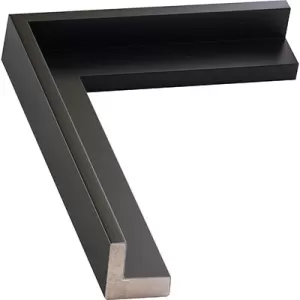
The best black floating frame for art 3/4 inch thick or less. This contemporary floater features a smooth clean finish.
From $29.29
View Product



 CUSTOM PICTURE FRAMES

Shop custom floating frames for stretched canvas, canvas boards, wood panels, and other compatible artwork. Enter the artwork's exact width and height, choose the Floater Reveal separately, and compare the complete artwork depth with each product before ordering. Not sure which profile fits? Read the complete floater frame guide.
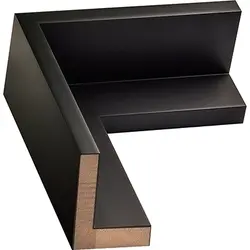
Custom wood floater frames for stretched canvas and other compatible artwork. Compare each profile's supported artwork depth before ordering.
Shop Floater Frames For Canvas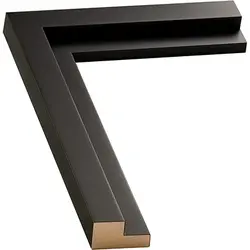
Shallow floater profiles for canvas boards, wood panels, Ampersand panels, and compatible thin canvas artwork up to 3/8 inch deep.
Shop Art Panel Floater Frames
Easy multi-frame bundle options for canvas boards and panel series when you need a coordinated set.
Shop Canvas Panel Frame Bundles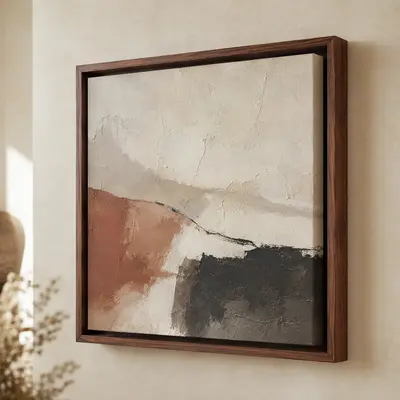
Deep wood floater frames with additional rabbet depth for thick stretched canvas. Compare each frame's artwork-depth capacity before ordering.
Shop Deep Floater Frames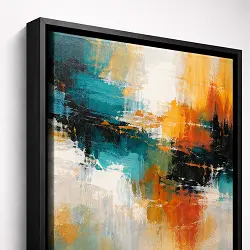
Clean aluminum floater frames for modern presentations, deep canvases, and contemporary mixed-media work.
Shop Metal Floater FramesStart with the collection that best matches your artwork type and thickness, then confirm the exact supported depth and mounting requirements on the individual product. Choose Deep Floater Frames when a thick stretched canvas requires more rabbet depth than a standard canvas floater provides. Canvas and panel labels describe common applications, not absolute restrictions.
Custom wood floater frames with multiple supported artwork depths, finishes, and reveal options.
Art Panel Floater FramesShallow profiles for canvas boards, art panels, and compatible artwork up to 3/8 inch deep.
Canvas Panel Frame BundlesBundle options that make it easier to frame multiple canvas boards or rigid panels together.
Deep Floater FramesDeep wood profiles with rabbet depths greater than 1-1/2 inches for thicker stretched canvas.
Metal Floater FramesSleek aluminum floater frames for modern canvas and gallery presentations.
The best black floating frame for art 3/4 inch thick or less. This contemporary floater features a smooth clean finish.
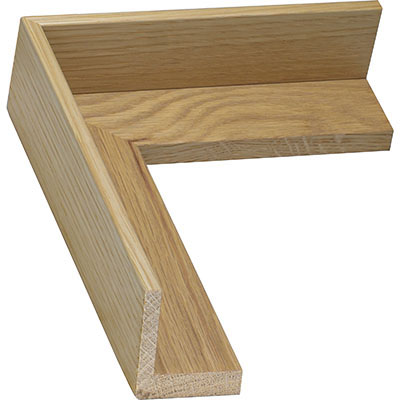
Natural white oak floater frame for canvas paintings that need a warm gallery-quality wood finish.
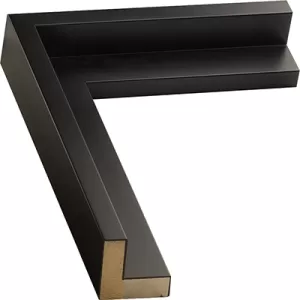
Ideal floater frame for one-inch-deep canvas or less with a crisp contemporary profile.
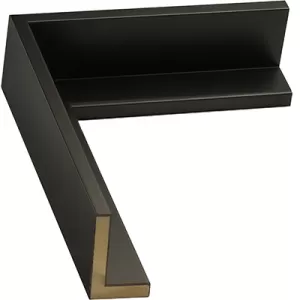
A clean black floating frame designed for artwork up to 1-1/2 inches thick.
Measure the exact artwork width, height, and complete depth. Enter the artwork dimensions themselves; do not increase them to account for the reveal.
Compare the artwork's complete depth with the maximum supported depth shown for the product. Also consider where the artwork will sit and how it can be secured safely.
The Floater Reveal is the visible gap on each side of the artwork. A 1/4-inch reveal means a 1/4-inch gap at the left, right, top, and bottom. Select it separately in the designer.
Review supported artwork depths, sizing, reveal options, mounting considerations, and a pre-order checklist.
Learn how to center the artwork, preserve an even reveal, and secure compatible canvas or panel artwork safely.
WebPictureFrames.com is backed by a family-owned custom frame shop with more than 40 years of framing experience.
Build or replace the wooden support structure behind stretched canvas before installing the finished canvas in a compatible floater frame.
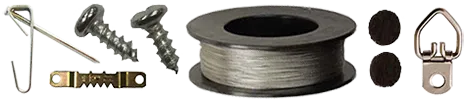
Explore hardware used in picture-framing projects. Confirm that the fastener type and length are appropriate for the artwork and cannot penetrate or damage its face.
A floating frame, also called a floater frame, holds compatible canvas or panel artwork while leaving a visible gap between the artwork edges and the inside walls of the frame. This reveal creates the appearance that the artwork is floating.
Enter the exact width and height of the artwork itself. Do not add the reveal to those dimensions. Select the Floater Reveal separately, and the designer will calculate the required frame opening.
A 1/4-inch Floater Reveal creates a visible 1/4-inch gap on each side of the artwork: left, right, top, and bottom. It does not mean 1/4 inch divided among all four sides.
Many canvas floater frames can hold compatible panels, and some panel floater profiles can hold compatible thin canvas artwork. Confirm the artwork's complete depth, desired position, reveal, and safe mounting method against the individual product.
Floater frames normally present canvas or panel artwork without glazing over the front. These open-face profiles are not generally designed to hold glass or acrylic in front of the artwork. If the surface requires glazing, contact our framing specialists before ordering.
Installation depends on the artwork's construction and depth. Stretched canvas is commonly secured from the back with correctly sized screws, while thin panels may require an artwork-appropriate mounting method. Follow our installation guide and never use hardware that could penetrate the artwork.