
Ok

Ok

What is the question
Cancel
PICTURE FRAMES
 CUSTOM PICTURE FRAMES
CUSTOM PICTURE FRAMES
Design Your Framing Package Online!
Add Mats, Glass & Acrylic, Mounting Board And More.


Search
☰

My Account
Log In
Favorites
Saved Designs
Shopping Cart
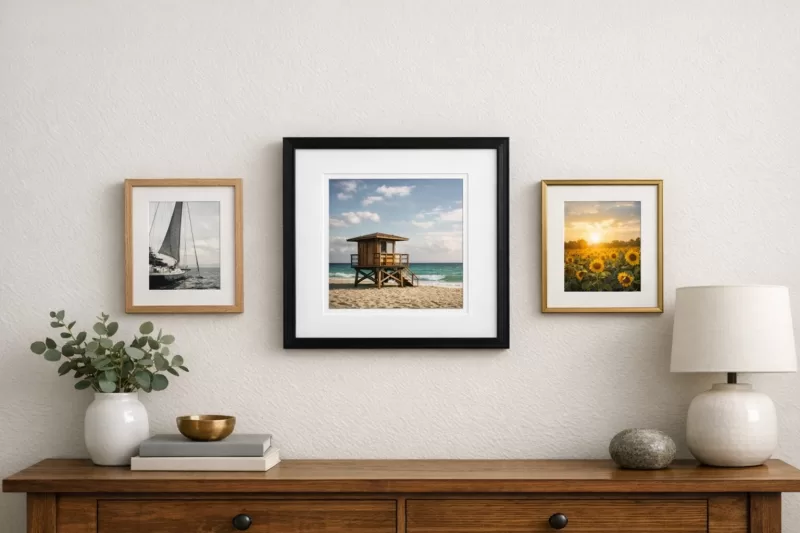
11x11 Picture Frames
Give square artwork a clean, finished presentation that looks intentional on a wall, shelf, or desk—an 11x11 frame keeps the proportions balanced so a square print doesn’t feel lost or stretched by a rectangular border. This size is a go-to for framing 11 x 11 photos, square illustrations, typographic prints, and album-cover-style artwork where symmetry is part of the design.
When you already have an 11x11 piece in hand, the most important detail is what “11x11” refers to: the opening that fits your art (often the size that goes inside), not the outside edge of the frame. If your print is full-bleed at 11x11, look for an unmatted 11x11 opening so the entire image shows. If your square art is smaller, an 11x11 frame can also be paired with a mat to create a crisp border and centered look—common mat openings people choose include 8x8, 9x9, or 10x10.
Square frames also shine in layout-driven decorating. Use multiple 11x11 frames to build a symmetrical grid, mix them into a gallery wall alongside rectangular sizes, or refresh a space by rotating seasonal square prints without changing your overall arrangement. Pay attention to the frame profile: thinner borders keep the look minimal, while wider borders add visual weight and make a square piece feel more substantial.
For display, consider whether you want wall hanging, tabletop placement with a stand/easel back, or both. Also think about front protection (glazing) and depth if you’re framing thicker paper, mounted prints, or artwork with backing.
Filters
reset filters
SKU

Frame Colors
On Sale
Frame Styles
Rabbet Depth
Frame Width
Frame Height
Manufacturers
47 Results
Sort:
V3949
$33.13
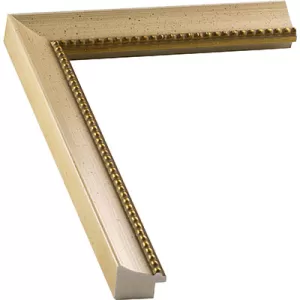
Width: 1 1/8 |
Rabbet Depth : 3/8
Ivory beaded wood profile. Family portraits, religious memorabilia, poetry, calligraphy, and foreign landscapes are interesting pairings with this ivory colored wood picture frame with a gold beaded lip.
V98
$40.45
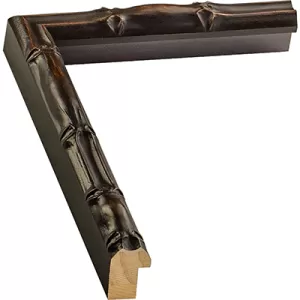
Width: 1 |
Rabbet Depth : 3/4
Dark plum tones and natural shape of this black bamboo frame profile. Dark finishes were often achieved using natural stains, lacquers, and shellacs derived from insects, plants, and trees.
V3944
$39.80
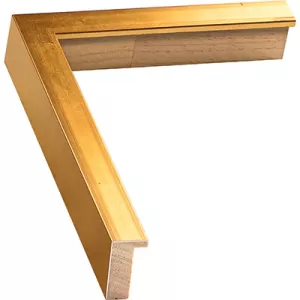
Width: 7/8 |
Rabbet Depth : 1 1/4
A narrow bright-gold face with slight hammering and visible red undertones. Hammered Gold Gallery Frame uses a restrained contour to create a clear gold outline without competing with the artwork for attention.
V479-1
$53.71
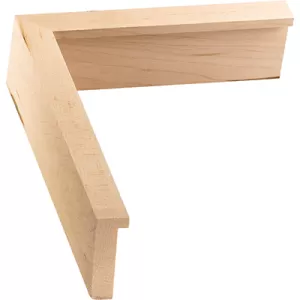
Width: 3/4 |
Rabbet Depth : 1 3/4
100% real maple frame profile offers a smooth, unfinished, raw sanded surface ready for your DIY project. As a maple DIY shadow box frame, this moulding profile has the ideal depth for stretched canvas paintings.
v285
$56.12
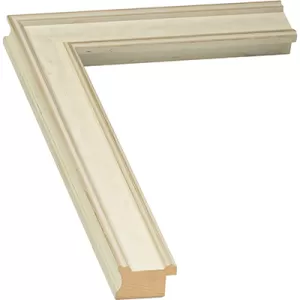
Width: 1 3/8 |
Rabbet Depth : 1/2
Traditional shaped white panel frame. White Panel Frame uses its particular finish and contour to establish a distinct boundary around the artwork.
V545-1
$45.99
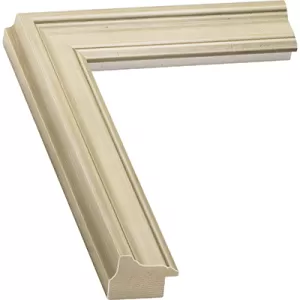
Width: 1 5/16 |
Rabbet Depth : 7/16
Ivory wood profile offers an refined metropolitan look. This ivory wood picture frame offers an refined metropolitan look that is inspired by the Hudson River School of painters, while staying relevant in a classic contemporary context.
V4987
$31.36
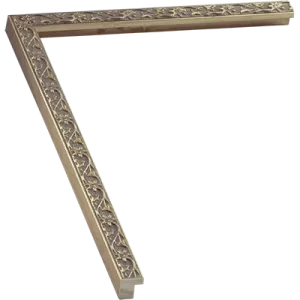
Width: 9/16 |
Rabbet Depth : 5/16
Ornate silver frame profile. Silver picture frame with dark wash.
V3996
$63.07
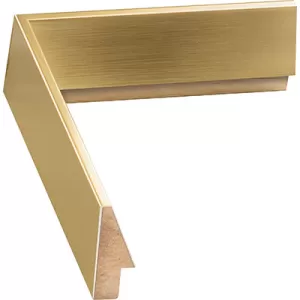
Width: 1 |
Rabbet Depth : 3/4
Deep beveled frame profile. Contemporary Champagne Picture Frame uses its particular finish and contour to establish a distinct boundary around the artwork.
V5034
$36.23
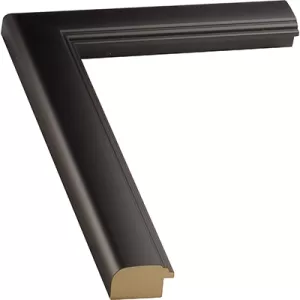
Width: 1 1/2 |
Rabbet Depth : 1/2
A smooth satin-black face with a ribbed detail along the front edge. The ribbed edge adds a focused band of texture to an otherwise plain black surface.
V795
25% OFF $32.82 $24.61

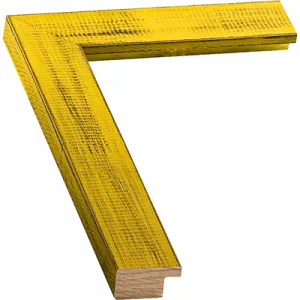
Width: 1 1/2 |
Rabbet Depth : 1/2
Rustic yellow frame profile. The restrained contour of Mustard Color Picture Frame creates a clear outline while allowing the artwork to remain visually dominant.
V1608
$43.85
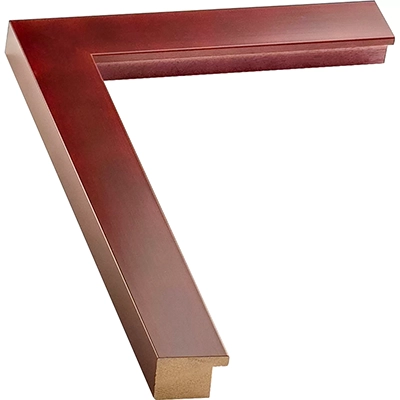
Width: 1 1/4 |
Rabbet Depth : 9/16
Burgundy colored basic wood profile with the look of fine grain. Considering the affordability of this basic wood picture frame, oftentimes artists, students, and families will order this and similar frames to accommodate children's art projects, college memorabilia such as photo collages, and gallery.
V490
$62.95
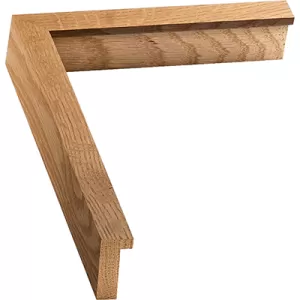
Width: 3/4 |
Rabbet Depth : 1 1/4
100% solid oak hardwood profile with a clean profile shape and open grain. Solid hardwoods, such as this gallery style oak picture frame, have long been a symbol of quality and durability, and have been used for millennia as a time-tested material in architecture and furniture design.
v688
$36.67
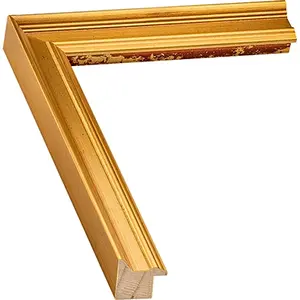
Width: 1 1/8 |
Rabbet Depth : 1/2
A narrow gold wood profile with restrained linear detailing. Narrow Gold Wood Picture Frame uses a restrained contour to create a clear gold outline without competing with the artwork for attention.
V1313
$47.45
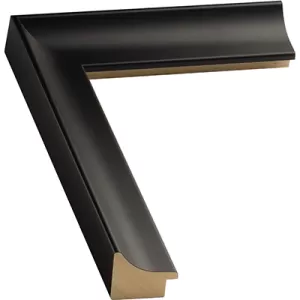
Width: 1 1/4 |
Rabbet Depth : 1/2
A smooth concave black scoop that rises toward the outside edge. The clean scoop draws the eye inward while maintaining a restrained, contemporary surface.
V3945
$41.79
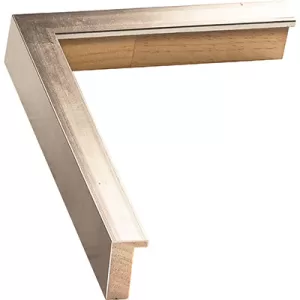
Width: 7/8 |
Rabbet Depth : 1 1/4
Shiny silver, metallic finish of this deep frame profile. Imagery that lends itself to this frame finish includes artwork featuring metallic paint, including fine art prints on paper and acrylic paintings on canvas.
V97
$47.41
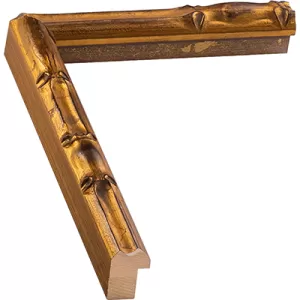
Width: 1 |
Rabbet Depth : 3/4
A narrow bamboo-shaped gold profile with an aged, worn character. The segmented bamboo form supplies a recognizable motif that no conventional panel, scoop, or beaded frame provides.
V800-1
$73.47
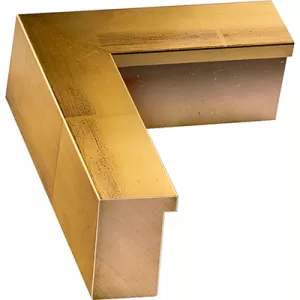
Width: 1 3/4 |
Rabbet Depth : 2
A tall gold standard-frame profile with substantial interior depth. The tall side profile of Deep Gold Shadow Box Frame creates a substantial silhouette while its gold face maintains a traditional presentation.
V675-1
$60.35
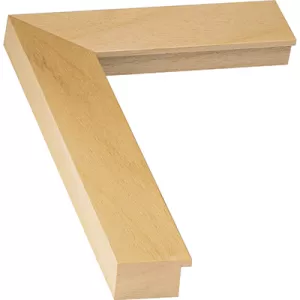
Width: 1 3/4 |
Rabbet Depth : 3/4
Lightweight natural wood profile offers the clean and refreshing look of birch. Interiors that pair nicely with this natural softwood picture frame may include Abstract, European, Mid-Century Modern, Post-Modern, Minimalist, and Organic design settings.
V250
$34.38
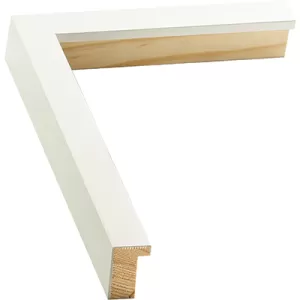
Width: 7/8 |
Rabbet Depth : 1
White frame profile. Great depth frame with a modern look for canvas paintings or matted fine art prints.
V836
$43.05
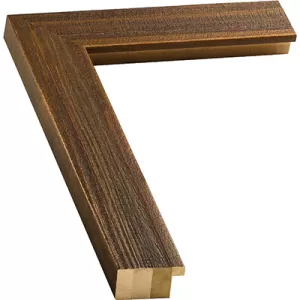
Width: 1 1/2 |
Rabbet Depth : 9/16
Rustic, walnut brown colored, vintage-distressed wood picture. This rustic, walnut brown colored, vintage-distressed wood picture frame features a flat profile shape that has been weathered through a sandblasting process to reveal and accentuate natural grain patterns in the wood.
v1381
$29.21
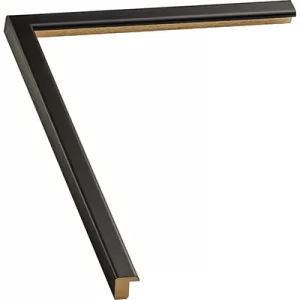
Width: 1/2 |
Rabbet Depth : 3/8
An exceptionally narrow matte-black profile with a simple square face. The fine black outline is deliberately understated, especially when paired with a generous mat border.
V225
$53.49
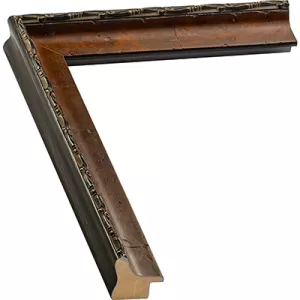
Width: 1 1/8 |
Rabbet Depth : 3/8
Scooped cherry frame profile with a cherry-stained burl wood veneer. The pattern of the black ridge features a design reminiscent of a quill, fishing hook, or barbed wire.
v1339
$38.63
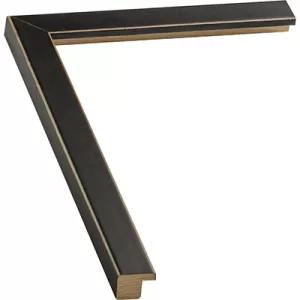
Width: 13/16 |
Rabbet Depth : 7/16
A petite charcoal-black face with visible wood-grain texture. Subtle grain softens the dark color and distinguishes it from completely smooth black profiles.
V3948
$34.02
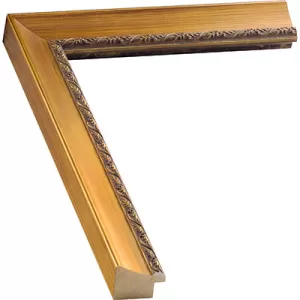
Width: 1 1/8 |
Rabbet Depth : 3/8
A slim gold profile with a raised decorative lip. The raised ornament on Slim Ornate Gold Picture Frame catches light across the surface and gives this frame a decorative rhythm around the artwork.
V3935
$30.80
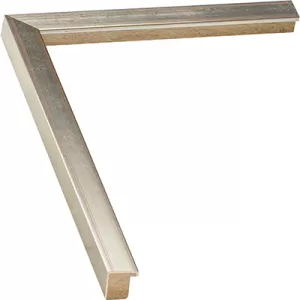
Width: 5/8 |
Rabbet Depth : 1/2
Thin distressed silver frame profile with a small step on the inner lip. The finish is a warm gold color with subtle red scratch marks to simulate an aged look.
V1623
$29.63
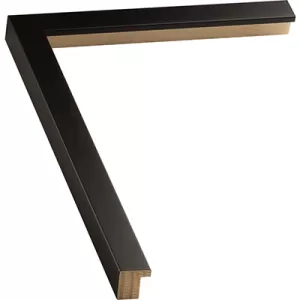
Width: 3/4 |
Rabbet Depth : 5/8
A petite smooth black profile with a flat face and minimal contour. The slender face provides a distinct black edge without adding visual weight to small artwork.
V1431
$61.55
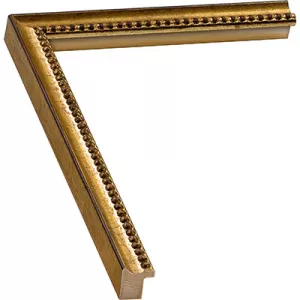
Width: 3/4 |
Rabbet Depth : 9/16
A petite dark-gold bead with visible crackle lines. Petite Dark Gold Beaded Frame uses a restrained contour to create a clear gold outline without competing with the artwork for attention.
V560-1
$47.70
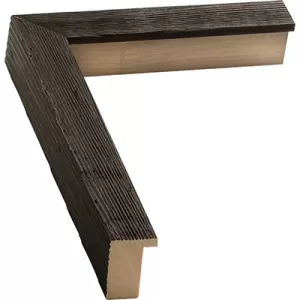
Width: 1 |
Rabbet Depth : 1 1/4
A block-shaped dark wood profile with a weathered barnwood appearance. The squared silhouette and worn grain give the frame a sturdy, informal presence.
V519
$32.96
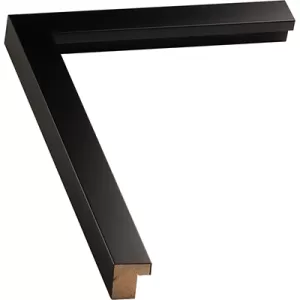
Width: 7/8 |
Rabbet Depth : 9/16
A clean flat-black face with a compact, straightforward profile. The familiar proportions and unembellished surface make this a versatile dark border for many display styles.
V5020
$62.89
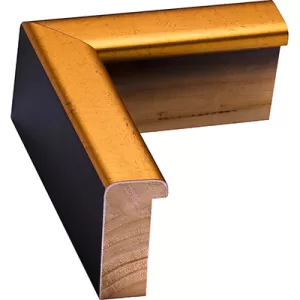
Width: 1 1/2 |
Rabbet Depth : 2 1/2
A tall two-tone profile with a gold face and black detailing. The tall side profile of Deep Gold and Black Frame creates a substantial silhouette while its gold face maintains a traditional standard-frame presentation.
V1300
$35.52
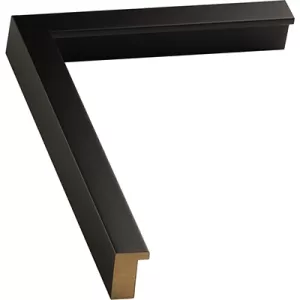
Width: 7/8 |
Rabbet Depth : 1
A narrow smooth black face with a clean box-like profile. The clean silhouette reads as a crisp dark outline and suits coordinated gallery-wall arrangements.
V263
$33.81
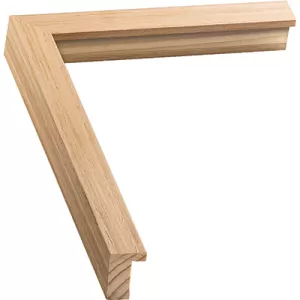
Width: 7/8 |
Rabbet Depth : 15/16
Real wood profile in a natural veneer. The light, natural look of this veneer wood picture frame lends itself to soft, monochromatic color schemes and imagery, along with nature art that is clean and serene, such as paintings of green leaves in the springtime, summer.
V561-1
$44.80
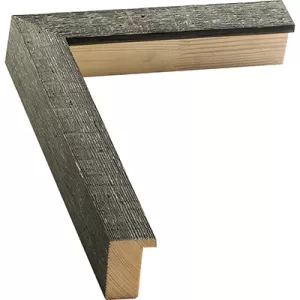
Width: 1 |
Rabbet Depth : 1 1/4
Rough rustic gray barnwood profile has an authentic look of a weathered fence. The moulding lengths of this rustic gray barnwood frame offer finger-joined seams throughout, which is an intended look that adds variation to the individual sticks of moulding that are used to make your frame.
V515
$34.38
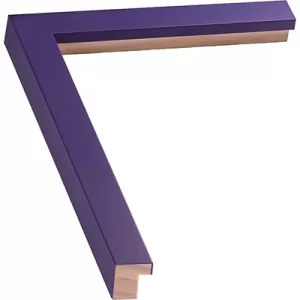
Width: 7/8 |
Rabbet Depth : 9/16
Purple frame profile. The restrained contour of Purple Picture Frame creates a clear outline while allowing the artwork to remain visually dominant.
V842-1
$73.47
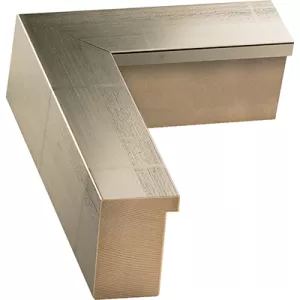
Width: 1 3/4 |
Rabbet Depth : 2
Silver frame has a black, pseudo rubbed appearance. The smooth face of the profile has a black pseudo rubbed appearance to give it an aged look with subtle leaf marks simulating hand applied silver leaf.
v660
$40.25
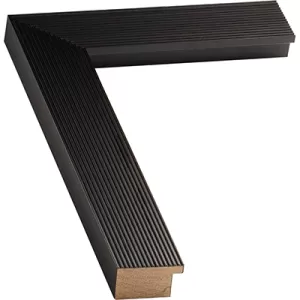
Width: 1 9/16 |
Rabbet Depth : 9/16
A satin-black profile organized by geometric linear patterning. Repeating lines add structure to the face without the floral character of traditional ornament.
V4989
20% OFF $43.05 $34.44
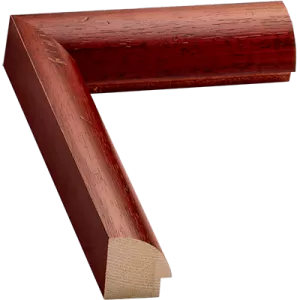
Width: 1 1/2 |
Rabbet Depth : 1/2
A rustic red half-round profile. The rounded face gives the dark red finish a softer transition toward the artwork.
V172
$40.80
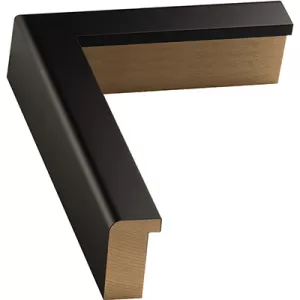
Width: 1 1/8 |
Rabbet Depth : 1 5/8
A narrow black face with a rounded outside edge and tall side profile. The narrow face keeps the front view restrained while the tall side wall gives the frame an architectural silhouette.
v690
$36.67
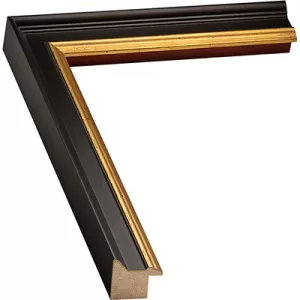
Width: 1 1/8 |
Rabbet Depth : 1/2
A compact Federal-style panel with black and dark-plum undertones, a distressed gold lip, and a steep outer bevel. Dark-plum undertones warm the black panel, while the small gold lip and bevel provide two distinct transitions toward the artwork.
v1409
$48.77
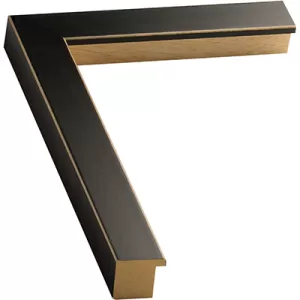
Width: 1 1/8 |
Rabbet Depth : 3/4
A charcoal-gray wood-grain face with lighter-colored edges. The lighter edges trace the profile while the grain adds visible texture across the face.
V5030
25% OFF $39.65 $29.74
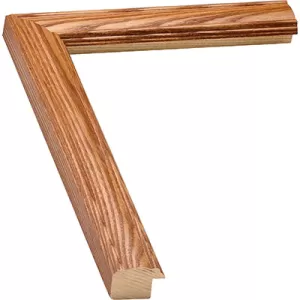
Width: 1 1/4 |
Rabbet Depth : 1/2
Light brown frame profile. Solid Oak Picture Frame uses its particular finish and contour to establish a distinct boundary around the artwork.
V1312
$49.15
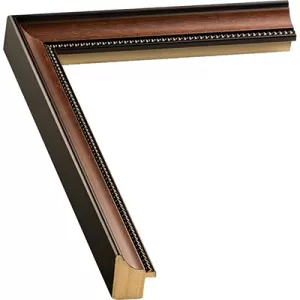
Width: 1 |
Rabbet Depth : 1/2
Dark brown center panel with black boarders, satin furniture finish. Dark brown center panel with black boarders, satin furniture finish.
V124
$40.53
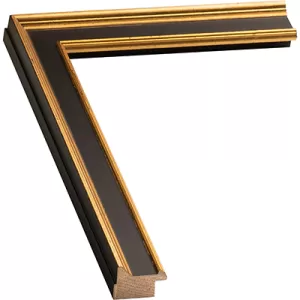
Width: 1 3/16 |
Rabbet Depth : 3/8
A petite stepped profile with a rounded gold inner lip, recessed black strip, raised gold ridge, and darkened edges. Alternating gold and black steps give this narrow frame more visual structure than a plain petite profile without creating a broad border.
V671
$55.98
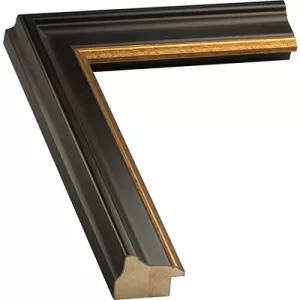
Width: 1 5/8 |
Rabbet Depth : 7/16
A distressed black-and-gold Hudson-style profile with a metropolitan character and restrained gold accents. The dark field remains dominant, allowing the gold detail to register as an accent rather than turning the frame into a primarily metallic surround.
v498
$33.27
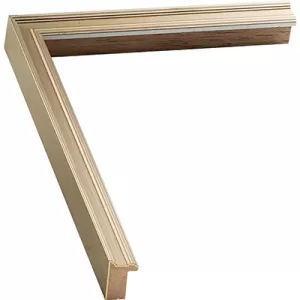
Width: 3/4 |
Rabbet Depth : 3/4
Classic silver frame profile with a linear profile design in the American Federal style. The metallic finish offers subtle hints of distress that add charm and distinguish this wood moulding from smoother finishes such as aluminum frames.
V260
$38.40
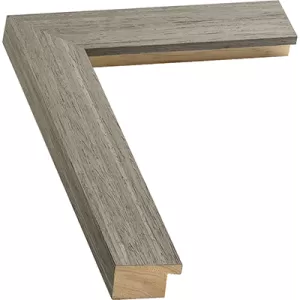
Width: 1 1/2 |
Rabbet Depth : 9/16
Gray veneer wood profile with an open grain texture. Color combinations that feature cool grays are perhaps a better match than warm grays.
V547-1
$36.35
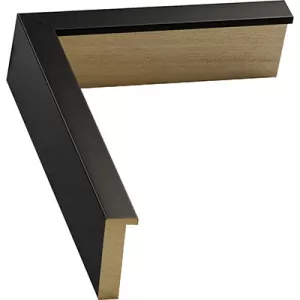
Width: 3/4 |
Rabbet Depth : 1 7/8
A very tall black standard-frame profile with a slim flat face. The narrow frontal outline contrasts with the pronounced depth visible from the side.
How to choose the right 11x11 frame
1) Confirm what “11x11” means
Shoppers often use “11x11” to mean the art size that fits inside the frame. Before buying, confirm whether the listed size refers to the opening (the art size) or the overall outside dimensions. If you’re framing an 11 x 11 print, you typically want a frame that fits an 11x11 item without trimming or bending.
2) Decide: mat or no mat
- No mat (unmatted opening): Best for full-bleed 11x11 photos and prints where you want to see the entire square image.
- With a mat: Ideal when your artwork is smaller than 11x11 and you want a bordered, centered look. Common square mat openings used with an 11x11 frame include 8x8, 9x9, and 10x10.
- Extra breathing room: A mat can also create generous margins for smaller pieces, giving the artwork a more “gallery” feel.
3) Pick a frame profile that matches the impact you want
- Thin profile: Clean, modern, and subtle—great for minimalist spaces or when you’re using multiple frames in a grid.
- Wide profile: Adds presence and helps a square piece read as a statement, especially on larger walls.
4) Choose the right display method
- Wall display: A square frame keeps the orientation consistent and works well in symmetrical layouts.
- Tabletop display: If you’re styling a shelf, console, or desk, look for a stand/easel back so the frame can sit securely.
5) Don’t overlook glazing and depth
- Glazing: A clear front layer helps protect the surface from everyday handling and dust in home or office spaces.
- Depth/fit: If your piece is mounted, on thicker paper, or includes backing, make sure the frame has enough internal space to close properly without bowing.
Great uses for 11x11 frames
- Square photography prints (portraits, travel, weddings)
- Square graphic design prints, illustrations, and typographic art
- Album-cover-style artwork and music-themed wall decor (square prints)
- Small-to-medium statement pieces for bedrooms, offices, entryways, and hallways
- Coordinated gallery walls where consistent square sizing matters
When an 11x11 frame is NOT the best choice
- Your art isn’t 11x11 and you don’t want a mat: Consider a frame that matches your exact print size instead of leaving extra space.
- You want a larger square presence: A bigger square format may create more impact on a large wall.
- You need a slightly smaller square: If your print is closer to 10x10, sizing down can reduce the need for matting.
Related size alternatives to consider
- 10x10 frames: A slightly smaller square option when your print isn’t truly 11x11.
- 12x12 frames: A very common square alternative that can be useful for different layouts and matting approaches.
- 8x8 or 9x9 frames: Smaller square displays for compact spaces or grouped arrangements.
- 11x14 frames: A common companion size for gallery walls mixing square and rectangular pieces.
- 12x16 or 16x16 frames: Step up in scale when you want a larger statement piece.
Quick checklist before you buy
- Measure your print: is it truly 11 x 11?
- Decide whether you want an unmatted opening or a mat (and what mat opening size).
- Choose a thin vs. wide border based on the look you want on the wall.
- Confirm wall hanging and/or a tabletop stand if needed.
- Account for thickness if your artwork is mounted or uses backing.
Made in the USA
Handcrafted by American framing experts
Family Owned
Serving customers for over 40 years
Premium Shipping
Professionally packaged for safe delivery
Ready to Hang
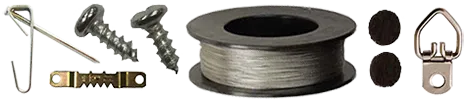
Hardware included with all frames
Framing Specialists
Over 40 years of custom framing experience