
Ok

Ok

What is the question
Cancel
PICTURE FRAMES
 CUSTOM PICTURE FRAMES
CUSTOM PICTURE FRAMES
Design Your Framing Package Online!
Add Mats, Glass & Acrylic, Mounting Board And More.



Search
☰

My Account
Log In
Favorites
Saved Designs
Shopping Cart
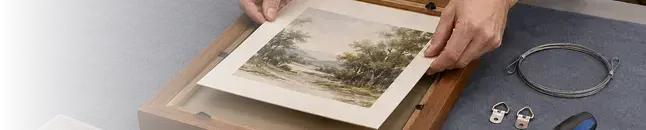
A step-by-step guide to fitting glazing (Glass & Acrylic), artwork, mats/spacers, backing board, and hanging hardware into a wood picture frame. Includes pro tips and troubleshooting so your frame is clean, secure, and ready to hang.
Watch the video
This video demonstrates the complete fitting process used for the wood frame package shown: opening the bendable retaining tabs, removing the packaged contents, peeling both sides of the acrylic, replacing the acrylic, mat, artwork, and backing, installing the wire, hanging the frame on two hooks, and adding wall-protecting bumpers. The written guide follows those steps and clearly labels additional professional framing guidance.
Video chapters
- 0:08 - What fitting a picture frame means
- 0:27 - Open the tabs and remove the contents
- 0:37 - Remove the protective film from the acrylic
- 1:46 - Replace the acrylic, mat, artwork, and backing
- 4:20 - Measure for the wire hangers
- 5:02 - Position and attach the hangers
- 7:20 - Hang the frame on two hooks
- 8:54 - Add bumpers to the bottom corners
Tools and materials
Before you start, gather everything so you can close the frame quickly (which reduces dust). If you need supplies, your main categories are backing board, art securing hardware, and picture hanging wire.
- Wood picture frame (assembled)
- Glazing: Glass & Acrylic (shop: Glass & Acrylic)
- Artwork (photo, print, poster, drawing, etc.)
- Mat or spacers (optional). If artwork should not touch glazing, consider glass spacers or a custom mat.
- Backing board (shop: mounting/backing board)
- Securing method shown in the video: bendable retaining tabs supplied with the frame
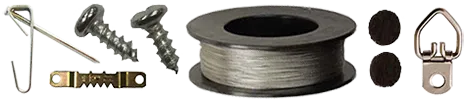
- Hanging hardware: D-rings, screws, wire, bumpers (shop: hangers and fasteners, screws, felt bumpers)
- Microfiber cloth and a clean soft work surface
- Measuring tape or ruler for positioning the hangers
- Cardboard roll or tube to help remove the acrylic protective film
- Two suitable wall hooks for level, secure hanging
Prep your workspace
Most framing mistakes happen because of dust, fingerprints, or a stack that is slightly loose. Spend two minutes on prep and you avoid re-opening the frame later.
- Work face-down on a clean soft surface so the frame finish does not get scratched.
- Wash and dry your hands, or use a clean cloth when handling glazing.
- Keep the acrylic protective film in place while unpacking the frame, then remove it from both sides before reassembling the contents.
- Clean the inside-facing side of glazing right before closing the frame. Inspect it under angled light.
- If you are still sizing your package, measure first: How to measure artwork for a custom picture frame.
Correct stack order (front to back)
The simplest way to avoid confusion is to think in layers from the front (what you see) to the back (what you secure). Most wood frames follow this order:
- Glazing (Glass & Acrylic)
- Mat or spacers (optional, but recommended if art should not touch glazing)
- Artwork
- Backing board
- Filler board (optional, only if you need extra thickness to remove rattling)
If your art is delicate (charcoal, pastel, or anything that can transfer), use a mat or spacers. For mats you can design to a specific opening size, use the custom mat design tool.
Step-by-step: fit art into the frame
1) Place the frame face-down and open the tabs
Lay the frame face-down on a clean, soft surface. The frame shown in the video arrives with its components held inside by bendable retaining tabs. Carefully bend each tab upward far enough to release the contents, then lift the complete package out of the rabbet.
2) Remove the acrylic protective film
- Peel the protective coating completely from both sides of the acrylic.
- Use a cardboard roll or tube to roll up the loose film as you peel. This makes the thin coating easier to control.
- Handle the uncovered acrylic by its edges and inspect both surfaces for dust before replacing it.
3) Place the acrylic back into the frame
Set the clean acrylic back into the frame rabbet and make sure it sits flat. The video uses acrylic; if your frame package uses glass, handle it carefully by the edges and follow the same front-to-back stack order.
4) Add the mat and artwork
- Place the mat behind the acrylic, followed by the artwork.
- Before you secure anything, flip the frame over and confirm alignment from the front.
- If alignment is tricky, use small pieces of framing tape (shop: picture framing tape) on the back edge of the artwork to hold it in place during assembly.
5) Add the backing and close the tabs
- Place backing board behind the artwork. If you need backing, see mounting/backing board.
- Bend the supplied retaining tabs back down over the backing to secure the package.
- The stack should be snug without being forced. If it moves or rattles, see the supplemental guidance below.
How to secure the contents
In the video, the contents are secured by bending the frame's supplied retaining tabs back down over the backing. Press the tabs only far enough to hold the package firmly; do not apply unnecessary pressure to the acrylic, glass, or backing.
Supplemental options for other wood frames
Not every wood frame uses bendable tabs. Other frames may use points, turn buttons, or spring clips. Select hardware intended for the frame and the thickness of the complete package. See art securing hardware.
- Secure opposite sides first (top/bottom, then left/right) so the backing stays flat.
- Work in small increments around the frame rather than fully tightening one corner first.
- If you use spring clips, choose the correct size for your frame and stack thickness: spring clips for wood frames.
Final inspection before closing
- Inspect the glazing under angled light for dust or fibers.
- Confirm artwork is level and centered.
- Confirm backing is fully seated and not bowed.
Install hanging hardware
Hanging hardware depends on size and weight. For most standard frames, D-rings plus wire is the most flexible setup. If you need parts, see hangers and fasteners.
Measure and position the hangers
- Measure approximately one-third of the way down from the top of the frame on both side rails.
- Position the hangers at equal heights with the flat side of each hanger against the frame.
- For heavy frames, use appropriate screws: picture framing screws.
- Tighten each screw enough to hold the hanger securely while still allowing it to swivel slightly. This lets the hangers adjust as the wire is pulled.
Attach wire with proper slack
- Use quality wire: picture hanging wire.
- Leave enough slack to hook easily, but not so much that the frame leans far from the wall.
Add bumpers
Attach the provided bumpers to the two bottom corners of the frame. Bumpers protect the wall from scuffs and help the frame sit evenly. See felt bumpers.
Hang the frame on two hooks
The video recommends supporting the wire with two properly installed wall hooks. Two hooks help the frame remain level and secure. Choose hooks and wall fasteners rated for the framed piece and appropriate for your wall material.
Troubleshooting
My frame rattles when I pick it up
Add a filler board or thicker backing so the stack is tight, then re-secure evenly. Backing options are here: backing board.
I see dust inside after closing the frame
Re-open the frame, clean glazing immediately before closing, and keep acrylic film on until the last moment. A soft brush or air blower can help remove stubborn fibers without smearing.
The artwork looks crooked from the front
Loosen one side slightly, re-align, then tighten gradually across opposite sides. Small hinge tape tabs can hold the artwork during assembly: picture framing tape.
The stack is too thick to fit the frame
Do not force it. Remove filler layers first. If you still cannot close the frame, you likely need a deeper profile or different frame style.
Common mistakes to avoid
- Leaving acrylic protective film inside the frame.
- Removing the film from only one side of the acrylic.
- Closing the frame without inspecting the inside-facing side of glazing under angled light.
- Over-tightening one corner first, which can bow the backing or crack glass.
- Skipping mat/spacers when artwork should not touch glazing.
- Installing the hangers at different heights or with the wrong side against the frame.
- Tightening the hanger screws so much that the hangers cannot swivel into alignment with the wire.
- Using wire that is too loose, causing tilt and wall scuffs.
- Using one wall hook when two properly rated hooks would provide better leveling and stability.
Quick checklist
- Glazing cleaned and inspected under angled light
- Acrylic film removed completely from both sides
- Correct stack order (glazing, mat/spacer, artwork, backing, filler if needed)
- Contents secured by the supplied bendable tabs without excessive pressure
- Hangers positioned equally about one-third of the way down from the top
- Hanger flat sides against the frame and able to swivel slightly
- Wire slack correct and frame supported by two suitable wall hooks
- Bumpers attached to both bottom corners
FAQ
Should artwork touch the glazing?
Usually no. Use a mat or spacers to keep artwork from touching Glass & Acrylic, especially for delicate media.
Acrylic vs glass: which should I choose?
Acrylic is lighter and more shatter-resistant, which is helpful for large frames and shipping. Glass is typically more scratch-resistant in everyday handling.
Why does my frame rattle after assembly?
The contents are not tight in the rabbet. Add a filler board or thicker backing so the stack is firm before you secure it.
How do I prevent dust inside the frame?
Clean glazing immediately before closing, keep acrylic film on until the final moment, and inspect under angled light before securing the backing.
Do I need spacers if I am not using a mat?
Use spacers when the artwork surface should not contact glazing or when you want a full-bleed look without a mat.
About this framing guide
This guide was prepared by the experienced picture framing specialists at WebPictureFrames.com and our retail frame shop, Vistra Framing & Gallery in Eugene, Oregon. Our team uses these fitting methods when preparing custom wood frames and helping customers select glazing, backing, securing hardware, and hanging hardware for their artwork.
Questions about an unusual artwork surface, a heavy frame, or a deep framing package? Ask our framing specialists before assembling the frame.
Related resources
Next steps
Ready to build a complete framing package sized exactly for your artwork?
Made in the USA
Handcrafted by American framing experts
Family Owned
Serving customers for over 40 years
Premium Shipping
Professionally packaged for safe delivery
Ready to Hang
Hardware included with all frames
Framing Specialists
Over 40 years of custom framing experience