Ok
Ok
What is the question
Cancel




☰

CUSTOM FRAMES
Design Your Framing Package Online!
Add Mats, Acrylic Glass, Mounting Board And More.
My Account
Log In
Favorites
Saved Designs
Log In
Shopping Cart

Floating frames (also called floater frames) are designed to show off the full edge of your canvas or panel while creating a clean shadow gap between the art and the frame. Choose from custom sizes, rabbet depths, and finishes so your artwork looks gallery-ready the moment you hang it on the wall.
Custom sizes for real artwork
Order floating frames built to the exact dimensions of your canvas or panel, not just standard poster sizes.
Gallery-style shadow gap
Dial in the reveal (floating gap) so the art never looks cramped or lost inside the frame.
Built for canvas and panels
Choose profiles and rabbet depths that match stretched canvas, cradle panels, and canvas boards.
Artist-trusted quality
Handcrafted wood floating frames shipped safely from our frame shop, ready for your next show or client delivery.
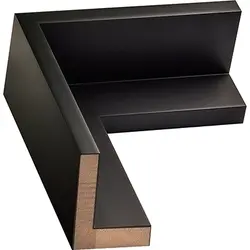
Artists Love Our Canvas Floater Frames. Choose Your Wood Float Frame According To Rabbet Height, Or Add Risers To A Shallow Painting To Fit A Large Floating Frame Profile.

Floater Frames For Canvas Panels Make It Easy To Enjoy Your Thin Rigid Art. This Is The Right Way To Frame A Canvas Board Panel Series.
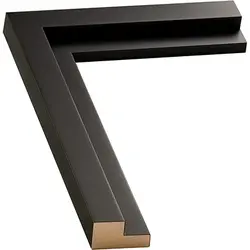
The Perfect Custom Frame For Canvas Boards. How A Flat Canvas Board Is Framed Depends On The Materials Available. Due To A Shallow Rabbet, These Custom Floater Frames Are Perfect For Canvas Boards.
Buyer's Guide to Floating Frames
A floating frame is an L-shaped picture frame that mounts your canvas, cradled panel, or canvas board from the back so the artwork appears to float inside the opening. Unlike traditional frames with mats or liners, floating frames leave the edges of the art visible and create a shadow gap all the way around the piece.
Floating frames vs. traditional picture frames
- Floating frames: Show the full edge of the canvas, create a modern gap, and do not require glass or mats for most paintings.
- Traditional frames: Often include mats, glazing, and more coverage around the image area, which is ideal for paper artwork and photographs.
- When to choose floating: Best for painted canvases, wood panels, and canvas boards where the edge treatment is part of the design.
How to choose the right floating frame
-
Match the frame style to your artwork.
Clean black or white floating frames emphasize color and contrast. Natural wood and stained finishes complement landscapes, portraits, and more traditional work. -
Choose the right reveal (shadow gap).
Most artists prefer a small, even gap all the way around the art. Smaller pieces look great with a tighter gap, while large canvases can handle a slightly wider reveal. -
Select a rabbet depth that fits.
The rabbet depth should be slightly deeper than the total thickness of your canvas or panel plus any mounting hardware or risers. -
Decide if you need glass or acrylic.
Most canvas paintings in floating frames do not use glazing. Panels and mixed-media works sometimes benefit from acrylic for protection.
Wood vs. metal floating frames
WebPictureFrames.com specializes in wood floating frames for a warm, gallery-quality presentation. Wood profiles offer richer finishes, more texture, and the ability to match other frames in your collection.
- Wood floating frames: Best for original art, gallery shows, and high-end presentation.
- Metal frames: Great for contemporary, budget-conscious projects where a slimmer profile is desired (see our metal frame collections for those options).
How to measure for a floating frame
For the best fit, start by measuring the width, height, and thickness of your canvas or panel. Then decide how much reveal you want so we can build the frame opening correctly.
- Measure to the nearest 1/16 inch across the front of the artwork.
- Measure the depth at the thickest point, including stretcher bars or cradle.
- Note whether any staples or hardware stick out beyond the back edge.
For detailed step-by-step instructions, see our guides The Complete Guide to Choosing a Floater Frame and How to Measure Artwork for a Custom Picture Frame.
Shipping, protection, and show prep
Floating frames are popular with traveling and exhibiting artists because they protect the edges of your canvas while keeping the art lightweight and easy to hang. Each frame is packed carefully to minimize shipping damage, and you can add hanging hardware so your piece is show-ready as soon as it arrives.
When you are ready, choose one of the floating frame collections above to start designing your custom frame online.
Floating Frame FAQ
What is a floating frame?
A floating frame is an L-shaped frame that mounts your canvas or panel from the back so it appears to float inside the opening, leaving a visible shadow gap around the artwork.
Do I need glass or acrylic with a floating frame?
Most canvas paintings do not require glass or acrylic in a floating frame. Panels, mixed media, or delicate surfaces may benefit from acrylic glazing for extra protection.
What size floating frame should I order?
Measure the width, height, and thickness of your artwork, then choose a frame sized to those dimensions with your preferred reveal. Our guides explain how to measure and choose the right opening for your frame.
Can floating frames be used for canvas boards and panels?
Yes. We offer floating frames designed specifically for canvas board and panel artwork, with shallower rabbets and mounting options that support thinner substrates.
How much reveal (gap) should I leave around my art?
Many artists prefer a small, even gap between 3/16 and 1/2 inch total, depending on the size of the artwork. Smaller pieces often look best with a tighter gap; larger canvases can handle a wider reveal.
Can I get custom sizes for my floating frame?
Yes. WebPictureFrames.com builds custom floating frames to your exact artwork measurements so you are not limited to standard sizes.