
Ok

Ok

What is the question
Cancel
PICTURE FRAMES
 CUSTOM PICTURE FRAMES
CUSTOM PICTURE FRAMES
Design Your Framing Package Online!
Add Mats, Glass & Acrylic, Mounting Board And More.


Search
☰

My Account
Log In
Favorites
Saved Designs
Shopping Cart
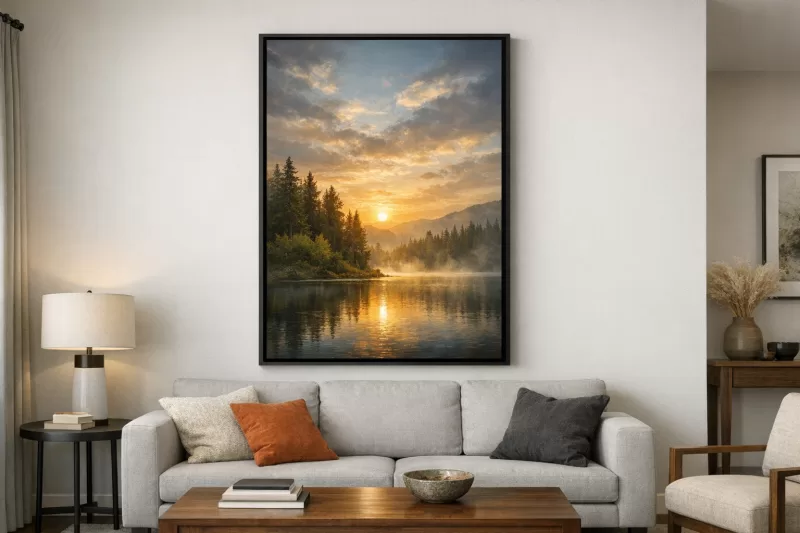
40 x 60 Floater Frames
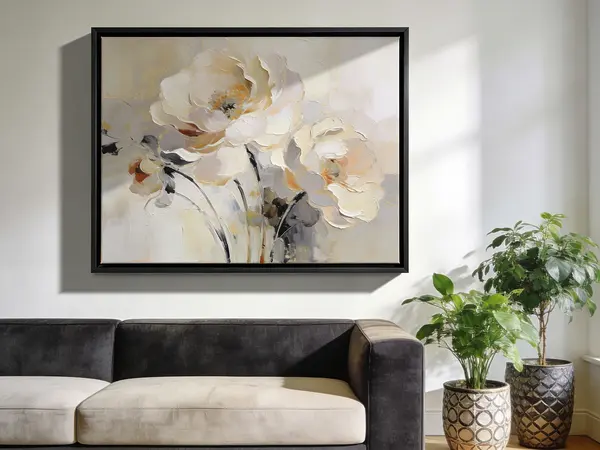
Give a statement-size canvas a crisp, gallery-finished edge that looks intentional on the wall—without covering any of the artwork. A 40 x 60 floater frame surrounds your piece with a small, even gap that creates the signature “floating” reveal, adding structure and presence for oversized art over a sofa, bed, mantel, or in a lobby or conference room.
This size is made to fit artwork that measures a true 40 inches by 60 inches, most commonly stretched canvas or mounted/cradled panels. Because floater frames keep the sides visible, the edge treatment becomes part of the presentation—wrapped imagery, painted sides, or clean edges all read beautifully when the reveal is consistent. At 40x60, that perimeter detail matters: the frame helps large-format work feel installed and complete, while keeping the face of the art fully unobstructed.
Before choosing a frame, confirm your finished measurement and note orientation (portrait vs. landscape) for ordering clarity. Depth also matters at this scale—many 40x60 canvases use thicker stretcher bars or cradled construction, so select a floater frame depth that fully accommodates the side profile. If you’re aiming for a bright, minimal look, a white floating canvas frame can emphasize the floating gap and keep the focus on the artwork.
These frames are the right choice when you want a modern floating-edge presentation for mounted artwork. If your piece is paper-based, needs matting, or requires a front cover, a floater frame is typically not the best match—consider a traditional framing approach instead.
Filters
reset filters
SKU

Frame Colors
On Sale
Frame Styles
Rabbet Depth
Frame Width
Frame Height
Manufacturers
42 Results
Sort:
V4000
$258.28
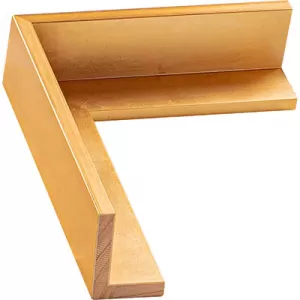
Supports artwork up to 1 3/4'' deep
Width: 3/8 |
Frame Depth : 1 3/4
Narrow-face soft gold rubbed canvas floater frame with subtle leaf-line texture, fine red accents, and deep artwork capacity.
V3984
$213.27
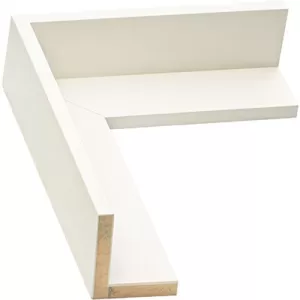
Supports artwork up to 1 5/8'' deep
Width: 3/8 |
Frame Depth : 1 11/16
Clean white deep canvas floater frame with minimalist lines and restrained front-facing weight.
V88
$305.03
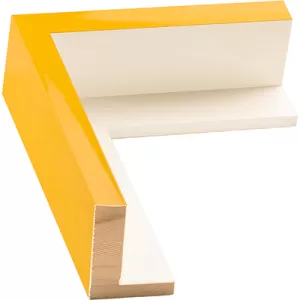
Supports artwork up to 1 7/8'' deep
Width: 3/4 |
Frame Depth : 1 7/8
Bright yellow high-gloss canvas floater frame with a broad color band and deep artwork capacity.
v116-1
$214.65
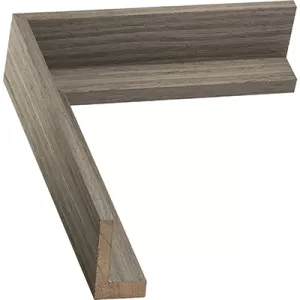
Supports artwork up to 1 1/2'' deep
Width: 1/4 |
Frame Depth : 1 1/2
Combines a deep gray color with a weathered, open-grain look. Its exceptionally narrow face keeps visual weight low, while the profile supports compatible canvas or panel artwork up to 1-1/2 inches deep.
V552
$333.55
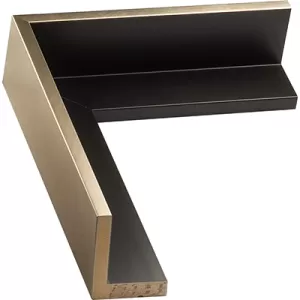
Supports artwork up to 1 5/8'' deep
Width: 5/16 |
Frame Depth : 1 5/8
Combines a champagne silver-gold tone with black contrast in a slender contemporary profile. Its narrow face provides restrained metallic definition while its deep capacity.
V623
$400.43
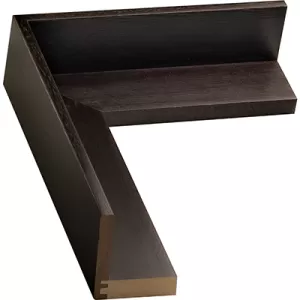
Supports artwork up to 1 5/8'' deep
Width: 5/16 |
Frame Depth : 1 5/8
Made from genuine solid Walnut hardwood this frame provides the visual depth of a near-black frame with the warmth and authentic grain of its genuine solid walnut hardwood. Its narrow proportions create a dark natural presentation without a broad border.
V3978
$192.56
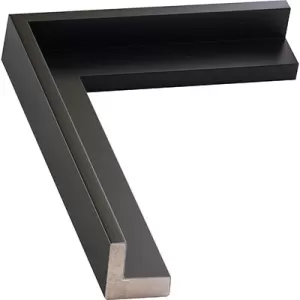
Supports artwork up to 7/8'' deep
Width: 3/8 |
Frame Depth : 7/8
A compact shallow canvas floater frame with smooth black color and clean contemporary lines.
V3982
$192.56
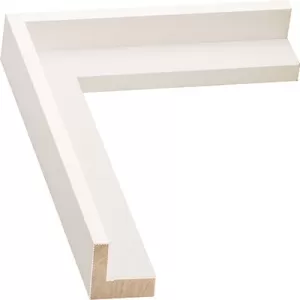
Supports artwork up to 7/8'' deep
Width: 3/8 |
Frame Depth : 7/8
A minimalist shallow floater frame with a clean white finish and narrow contemporary proportions.
V3985
$220.90
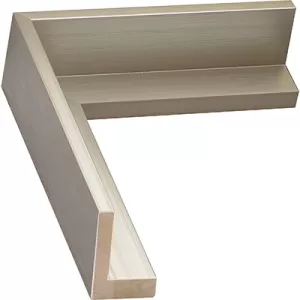
Supports artwork up to 1 5/8'' deep
Width: 3/8 |
Frame Depth : 1 11/16
Warm silver deep floater frame with a concise metallic look and slender contemporary face.
V3980
$200.19
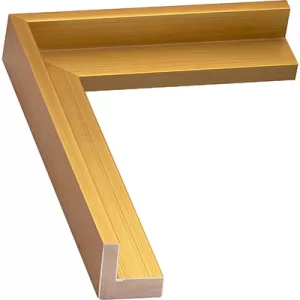
Supports artwork up to 7/8'' deep
Width: 3/8 |
Frame Depth : 7/8
A shallow canvas floater frame with a narrow face and warm-gold metallic accent.
Vgreen
20% OFF $271.73 $217.38

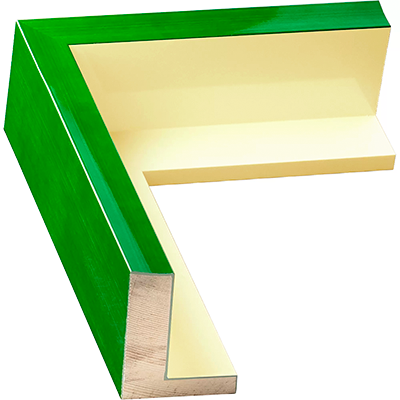
Supports artwork up to 1 7/8'' deep
Width: 3/4 |
Frame Depth : 1 7/8
A vivid pop-green floater frame that combines glossy simulated grain character with a contrasting off-white foot.
V3990
$213.27
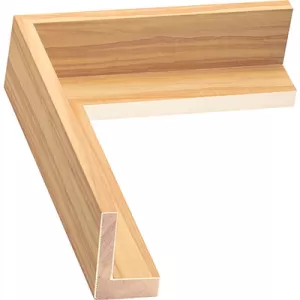
Supports artwork up to 1 5/8'' deep
Width: 3/8 |
Frame Depth : 1 11/16
A pale blonde tone and natural grain look give this profile a light, warm-neutral appearance. Its narrow face keeps the frame minimal.
v3942
$251.71
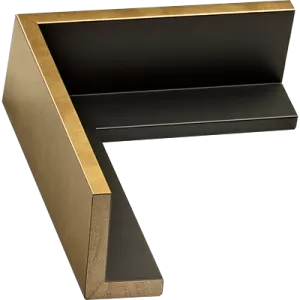
Supports artwork up to 2 1/8'' deep
Width: 7/16 |
Frame Depth : 2 1/8
An extra-deep floater frame combining warm autumn gold with black contrast and substantial, clean-lined proportions.
V3967
$213.27
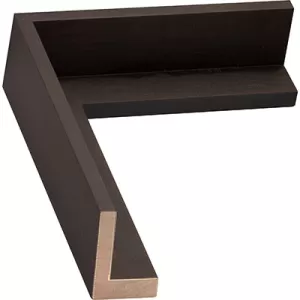
Supports artwork up to 1 5/8'' deep
Width: 3/8 |
Frame Depth : 1 11/16
Features a dark espresso-brown color and flat, low-sheen appearance. Its narrow face creates a warm dark outline around deeper canvas artwork without the reflective character of a glossier finish.
Vred
20% OFF $271.73 $217.38
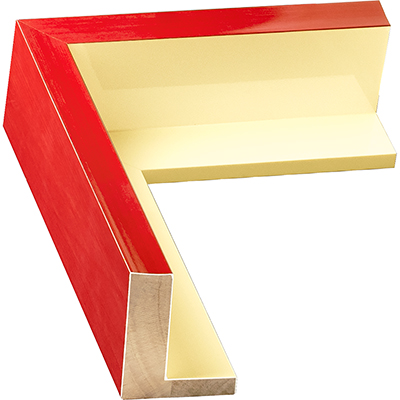
Supports artwork up to 1 7/8'' deep
Width: 3/4 |
Frame Depth : 1 7/8
A bright pop-red floater frame with high-gloss sheen, simulated grain character, and a contrasting off-white foot.
V3943
$251.71
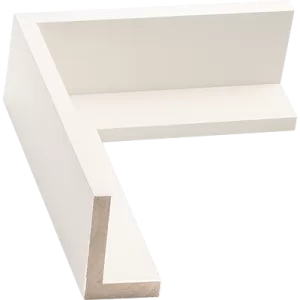
Supports artwork up to 2 1/8'' deep
Width: 7/16 |
Frame Depth : 2 1/8
A smooth white canvas floater frame with clean lines, substantial proportions, and extra-deep artwork capacity.
V3974
$172.30
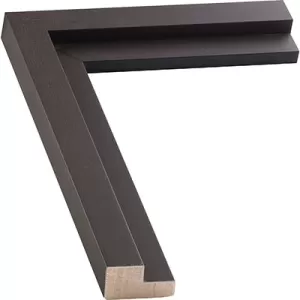
Supports artwork up to 3/8'' deep
Width: 7/8 |
Frame Depth : 3/8
A dark espresso-brown panel frame with a smooth appearance and compact listed complete molding width.
v180-1
$239.44
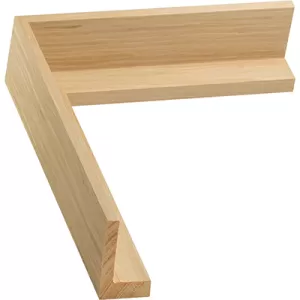
Supports artwork up to 1 1/2'' deep
Width: 1/4 |
Frame Depth : 1 1/2
Light-grain canvas floater frame with a calm natural-looking finish, narrow visible face, and understated contemporary character.
VOrange
20% OFF $271.73 $217.38
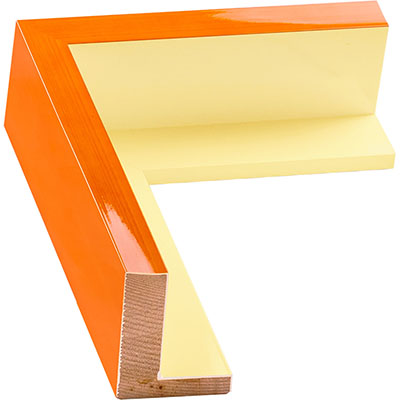
Supports artwork up to 1 7/8'' deep
Width: 3/4 |
Frame Depth : 1 7/8
A vivid pop-orange floater frame pairing high gloss and a simulated grain look with a contrasting off-white foot.
V3952
$213.27
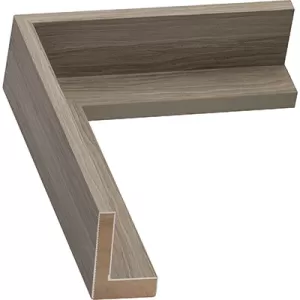
Supports artwork up to 1 5/8'' deep
Width: 3/8 |
Frame Depth : 1 11/16
This dark gray floater frame offers a charcoal-like neutral that is softer in appearance than black. The narrow face maintains a restrained contemporary outline while the profile accommodates deeper artwork.
V3959
$213.27
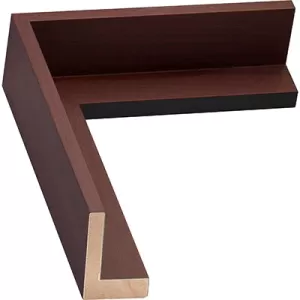
Supports artwork up to 1 5/8'' deep
Width: 3/8 |
Frame Depth : 1 11/16
This DIY-oriented canvas floater frame features a dark mahogany-look red-brown color with visible grain character. Its narrow face keeps attention on the art, while its deep capacity supports artwork up to 1-5/8 inches deep.
V1291
$174.41
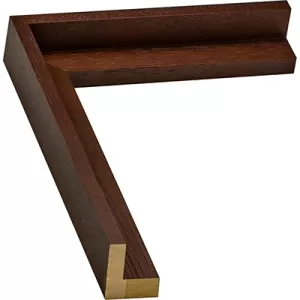
Supports artwork up to 7/8'' deep
Width: 5/16 |
Frame Depth : 7/8
A compact floater frame for shallower artwork. Its warm mahogany-look brown finish has an understated traditional character, while the narrow face keeps the presentation focused on the image.
V86
$305.03
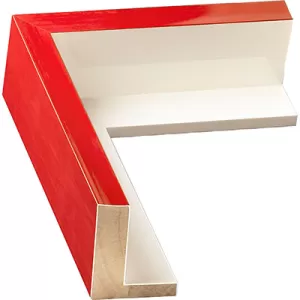
Supports artwork up to 1 7/8'' deep
Width: 3/4 |
Frame Depth : 1 7/8
Vivid red high-gloss canvas floater frame with a broad face, simulated grain appearance, and deep artwork capacity.
V3977
$192.56
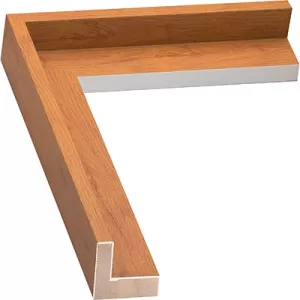
Supports artwork up to 7/8'' deep
Width: 3/8 |
Frame Depth : 7/8
A shallow canvas floater with a compact face and warm cherry-look red-brown appearance.
V3955
$192.56
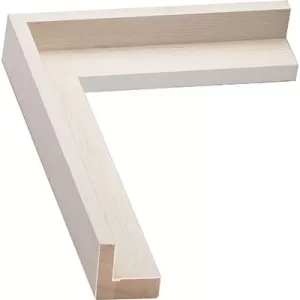
Supports artwork up to 7/8'' deep
Width: 3/8 |
Frame Depth : 7/8
A shallow canvas floater frame pairing a narrow face with a soft whitewash appearance.
V3986
$213.27
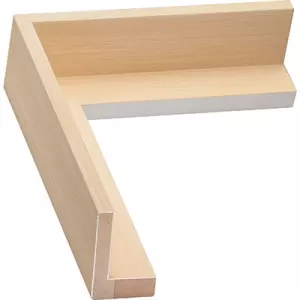
Supports artwork up to 1 5/8'' deep
Width: 3/8 |
Frame Depth : 1 11/16
Pale maple-look deep floater frame with light grain character and a narrow contemporary face.
V3956
$213.27
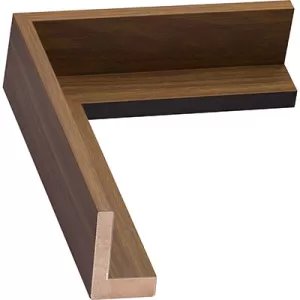
Supports artwork up to 1 5/8'' deep
Width: 3/8 |
Frame Depth : 1 11/16
Dark walnut-look deep floater frame with rich brown grain appearance and a slender face.
V3963
$213.27
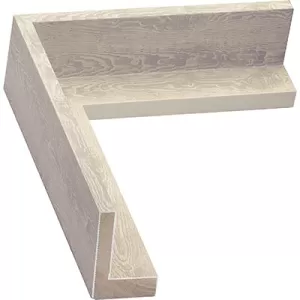
Supports artwork up to 1 5/8'' deep
Width: 3/8 |
Frame Depth : 1 11/16
Weathered white deep floater frame with aged character and a narrow, visually light face.
V3981
$213.27
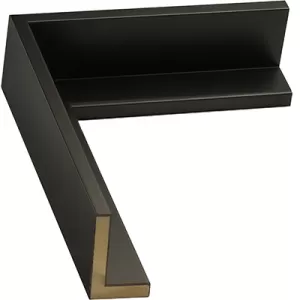
Supports artwork up to 1 5/8'' deep
Width: 3/8 |
Frame Depth : 1 11/16
A smooth black option in the coordinated deep floater series. Its clean finish and narrow visible face create crisp definition around deeper canvas artwork without the visual weight of a wide profile.
V626
$453.07
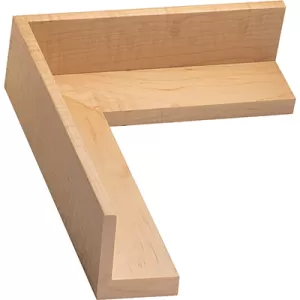
Supports artwork up to 1 5/8'' deep
Width: 5/16 |
Frame Depth : 1 5/8
Made from genuine solid maple hardwood with a pale natural color and authentic grain. Its narrow face maintains a light, minimalist presence while the deep profile supports artwork up to 1-5/8 inches deep.
V91
$305.03
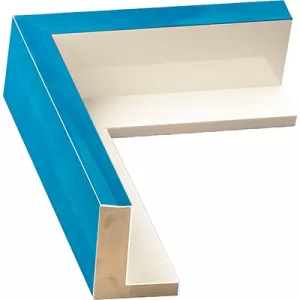
Supports artwork up to 1 7/8'' deep
Width: 3/4 |
Frame Depth : 1 7/8
Pop Blue! A bright colorful collection of high-gloss moulding.
V4996
15% OFF $277.95 $236.26
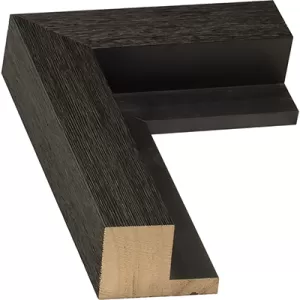
Supports artwork up to 1 3/8'' deep
Width: 1 5/8 |
Frame Depth : 1 3/8
Visually substantial wide black editorial floater' frame with gently felt texture, ebonized future walnut-look tones, and minimal earthy-visual variation.
V848
$334.45
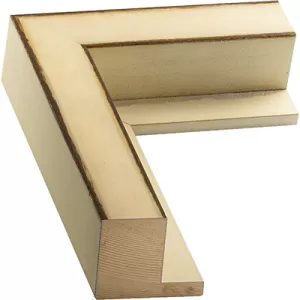
Supports artwork up to 1 5/8'' deep
Width: 1 1/2 |
Frame Depth : 1 5/8
Surrounds canvas artwork with a wide ivory-white face and visible rustic distressing. Its substantial proportions create a statement border, while the deep profile supports compatible artwork up to 1-5/8 inches deep.
V3969
$213.27
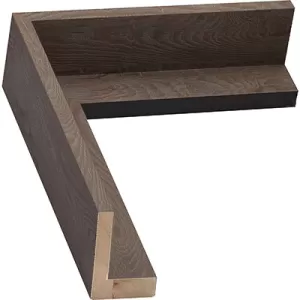
Supports artwork up to 1 5/8'' deep
Width: 3/8 |
Frame Depth : 1 11/16
This soft gray-taupe floater frame is designed for coordinated gallery-wall presentations and deeper artwork. Its narrow face supplies subtle definition without the stronger contrast of black or dark gray.
V3958
$213.27
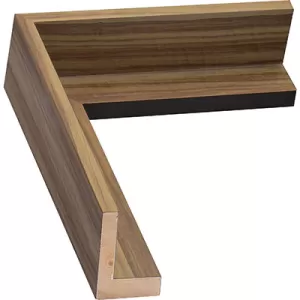
Supports artwork up to 1 5/8'' deep
Width: 3/8 |
Frame Depth : 1 11/16
Light walnut-look deep floater frame with warm brown grain character and a slender face.
V3979
$220.90
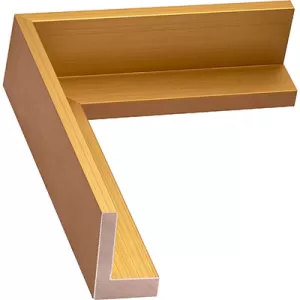
Supports artwork up to 1 5/8'' deep
Width: 3/8 |
Frame Depth : 1 11/16
Warm gold deep canvas floater frame with a clean finish and slender contemporary proportions.
V3968
$252.59
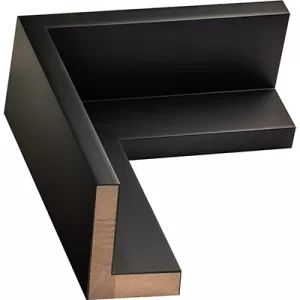
Supports artwork up to 2 1/4'' deep
Width: 9/16 |
Frame Depth : 2 1/4
An extra-deep canvas floater frame with smooth black lines, substantial visual weight, and the catalog's greatest maximum artwork depth.
V3957
$213.27
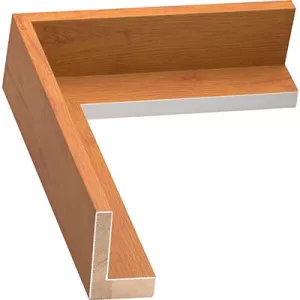
Supports artwork up to 1 5/8'' deep
Width: 3/8 |
Frame Depth : 1 11/16
Warm red-brown color gives this deep canvas floater frame a classic cherry-look appearance. Its narrow face keeps the presentation visually light while accommodating artwork up to 1-5/8 inches deep.
V89
$303.92
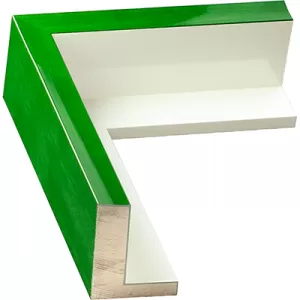
Supports artwork up to 1 7/8'' deep
Width: 3/4 |
Frame Depth : 1 7/8
Ideal floater frame for art 1-3/4" thick or less. Pop Green! A bright and colorful new collection of high-gloss moulding.
V3970
$192.56
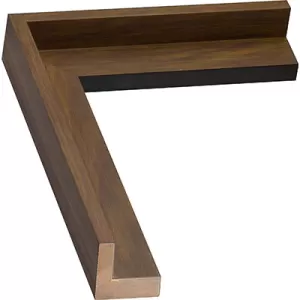
Supports artwork up to 7/8'' deep
Width: 3/8 |
Frame Depth : 7/8
A shallow canvas floater frame with a compact face and warm, dark walnut-look finish.
V3954
$192.56
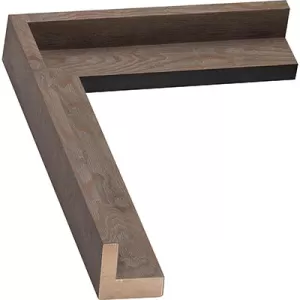
Supports artwork up to 7/8'' deep
Width: 3/8 |
Frame Depth : 7/8
A shallow, narrow floater frame in a soft taupe finish that balances gray and brown.
V3973
$175.69
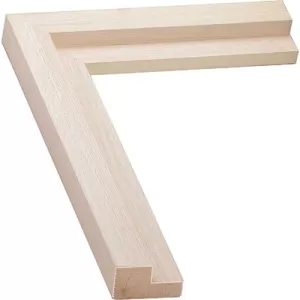
Supports artwork up to 3/8'' deep
Width: 7/8 |
Frame Depth : 3/8
A casual whitewash panel frame that combines a pale finish with balanced wide-face proportions.
How a 40x60 floater frame should fit
A floater frame is sized to the artwork itself (40 inches by 60 inches). The canvas or panel sits inside the frame with a small, intentional gap around the perimeter, creating the “floating” look. The frame does not cover the front face of the art—so what you see on the sides will be part of the final presentation.
Measure first: what to confirm before you buy
- True finished size: Measure the artwork across the face. Oversized pieces can vary slightly, and a small difference can affect the reveal and fit.
- Orientation: Confirm whether your 40x60 is landscape or portrait so the order matches your intended hang.
- Thickness/depth: Large canvases are often stretched on thicker bars, and cradled panels have a defined side profile. Choose a floater frame depth that fully accommodates the artwork’s thickness.
- Edge appearance: Wrapped edges, painted sides, or visible staples will remain visible in a floater frame—plan your finish accordingly.
Choosing the right look for a statement-size piece
At 40x60, the frame becomes part of the room’s architecture. A clean, minimal profile emphasizes the floating gap and keeps attention on the art, while a more substantial profile can add visual weight and help the piece hold its own on a large wall.
- For a bright, crisp perimeter: consider a white floating canvas frame.
- For a bold, modern outline: consider a black floating frame.
- For a warm wood-grain presence: consider a maple grain floating frame.
When a 40x60 floater frame is the right choice
- You have a stretched canvas, canvas print, painted canvas, or a mounted/cradled panel that measures 40x60.
- You want a modern gallery aesthetic with a visible edge reveal.
- You want a finished, ready-to-hang presentation that doesn’t cover the artwork’s face.
When this is NOT the right framing approach
A floater frame is not ideal when the artwork needs the front surface covered or protected, or when the piece is not a rigid mounted format that can be secured within a floater frame. If your art is paper-based, very thin, or intended to be matted, a traditional frame style is typically a better fit than a floater frame.
Helpful add-ons for large-format installs
Oversized frames and canvases are heavier and benefit from secure mounting and proper spacing during installation. If you need help dialing in fit or securing the artwork within the frame, these can be useful:
- Floater frame shim kit for fine-tuning spacing and fit.
- 1" Canvas Off Set Clips or 1 1/4" Canvas Off Set Clips for securing mounted artwork (choose based on thickness).
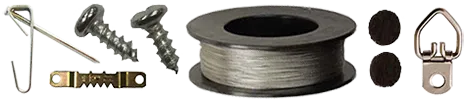
- Large Good Will Picture Frame Hangers for more secure wall hanging support.
If your artwork isn’t exactly 40x60
Floater frames are chosen by the artwork’s exact width and height. If your piece is close but not a true 40x60, measure carefully and select a frame built for the actual finished size to keep the reveal even and the fit secure.
Made in the USA
Handcrafted by American framing experts
Family Owned
Serving customers for over 40 years
Premium Shipping
Professionally packaged for safe delivery
Ready to Hang
Hardware included with all frames
Framing Specialists
Over 40 years of custom framing experience