
Ok

Ok

What is the question
Cancel
PICTURE FRAMES
 CUSTOM PICTURE FRAMES
CUSTOM PICTURE FRAMES
Design Your Framing Package Online!
Add Mats, Glass & Acrylic, Mounting Board And More.





Search
☰

My Account
Log In
Favorites
Saved Designs
Shopping Cart
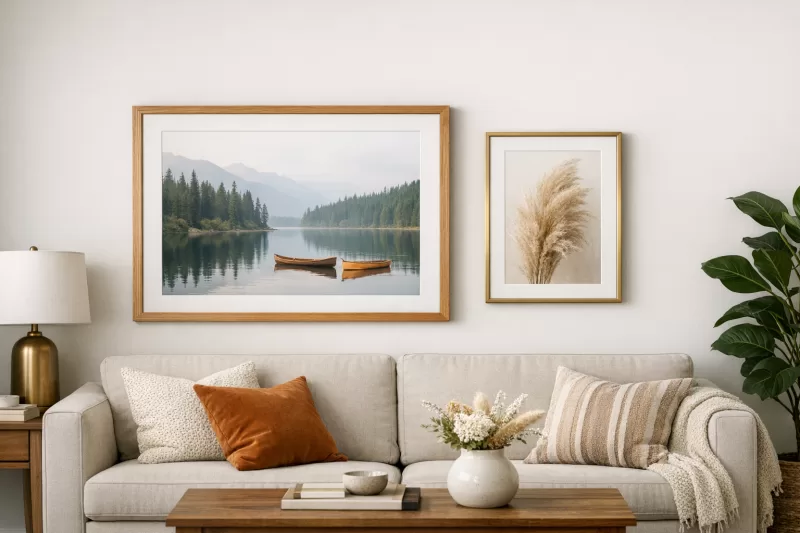
Interior Design Picture Frames
These interior design picture frames are curated for one goal: a wall display that looks intentional and designer-approved. Whether you’re styling a living room, bedroom, hallway, or home office, this collection focuses on cohesive finishes, balanced proportions, and frame profiles that complement the room rather than compete with it. Choose from modern and minimalist looks (slim mouldings, clean edges, understated finishes), classic and transitional profiles (timeless shapes with subtle detailing), and rustic, organic styles that highlight natural texture and warmer tones.
To build a polished gallery wall, start with a finish strategy: keep everything uniform for a clean, gallery-like effect, or mix two complementary finishes for a curated look. Popular interior-friendly directions include matte or satin black, white and warm white/cream, natural oak tones, walnut tones, and espresso/dark brown. Pay attention to visual characteristics that change the feel of a room—frame width and depth, sharp versus rounded edges, smooth versus textured surfaces, and how reflective the finish appears in your lighting.
Size planning matters as much as style. Small accents (like 4x6 and 5x7) add rhythm in tight groupings, mid-size statements (8x10 and 11x14) anchor clusters, and larger focal pieces (16x20, 18x24, and 24x36) create a strong center above a sofa, bed, console, or mantel. If you’re deciding between matted or unmatted presentation, a mat can add breathing room and elevate the overall composition. For help with planning, see the guide to choosing the right frame style.
Filters
reset filters
SKU

Frame Colors
Frame Styles
Rabbet Depth
Frame Width
Frame Height
Manufacturers
21 Results
Sort:
V3996INTDSGN
from $45.84
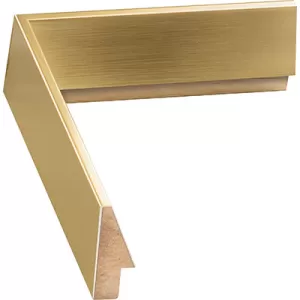
Width: 1 |
Rabbet Depth : 3/4
Standard deep beveled picture frame in Champagne or Silver for coordinated interior design displays.
V1000INTDSGN
from $78.84

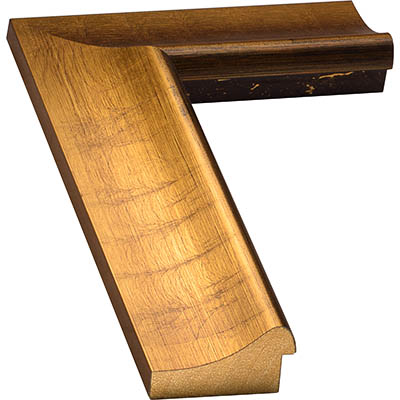
Width: 2 1/2 |
Rabbet Depth : 3/4
Classic gallery and plein air inspired standard frame with a warm antique gold look, subtle distressing, and a wide sloped face that draws attention to the artwork.
V3992INTDSGN
from $30.24
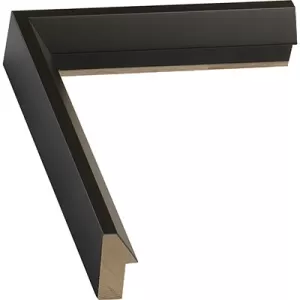
Width: 7/8 |
Rabbet Depth : 7/8
Contemporary medium wedge black slated moulding in a standard picture frame profile for polished, coordinated wall decor.
V3995INTDSGN
from $30.24
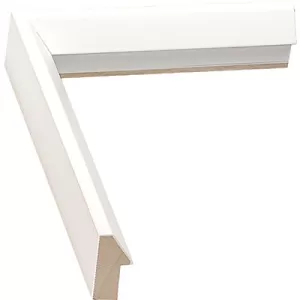
Width: 7/8 |
Rabbet Depth : 7/8
A contemporary, medium wedge profile in white slated moulding for polished gallery walls, framed photos, and modern print displays.
V252INTDSGN
from $33.88
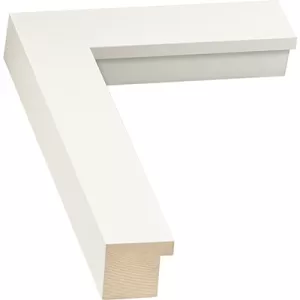
Width: 1 5/8 |
Rabbet Depth : 1
Minimalist white gallery frame designed for a clean, modern wall display. Ideal with a white mat for a polished gallery-style presentation.
V572-1INTDSGN
from $78.11
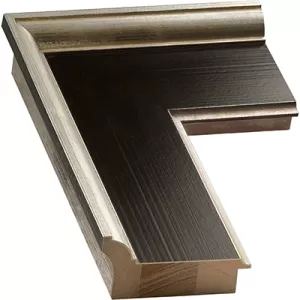
Width: 3 1/2 |
Rabbet Depth : 5/8
A wide black and silver panel picture frame designed for coordinated, designer-approved wall decor with bold contrast and a polished look.
V573-1INTDSGN
from $77.49
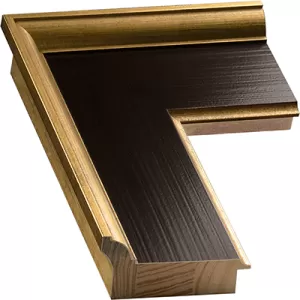
Width: 3 1/2 |
Rabbet Depth : 5/8
A wide black and gold panel frame designed for coordinated, designer-approved wall decor. The bold profile helps anchor gallery walls, statement prints, and polished home office displays.
VV108INTDSGN
from $114.80
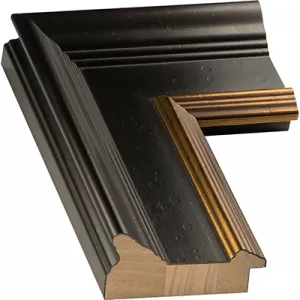
Width: 3 3/4 |
Rabbet Depth : 9/16
A scooped wood picture frame with an antique-inspired black and gold look, embossed divots, and a substantial profile for polished, designer-approved wall decor.
VV174INTDSGN
from $79.35
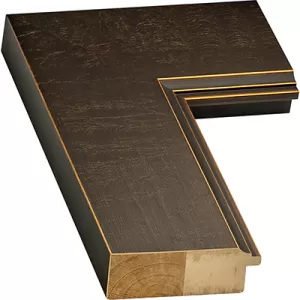
Width: 3 1/2 |
Rabbet Depth : 15/16
An oiled bronze standard picture frame with dark gold highlights and a crackled broken leaf pattern over a wooden substrate, ideal for coordinated gallery walls and polished interior styling.
VV190INTDSGN
from $54.10
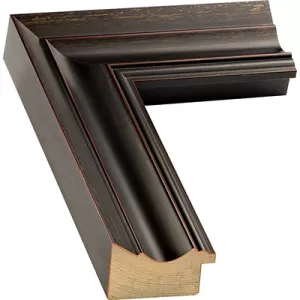
Width: 2 3/8 |
Rabbet Depth : 3/4
Traditional dark brown wood frame with a stepped, scooped profile and smooth finish for coordinated, designer-style wall displays.
V270-1INTDSGN
from $53.78
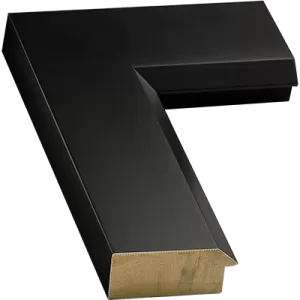
Width: 3 |
Rabbet Depth : 11/16
Large black standard picture frame with a deep beveled inside edge for bold, polished wall decor. Ideal for photos, artwork, and posters.
V852INTDSGN
from $24.56
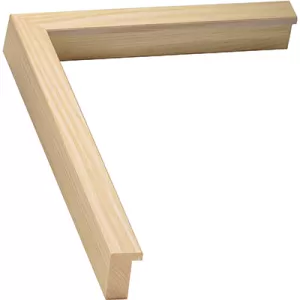
Width: 3/4 |
Rabbet Depth : 7/8
Soft, simple natural white standard frame moulding for clean, neutral presentation. An economical choice for framing shows, gallery walls, and minimal decor projects.
V679-1INTDSGN
from $33.36
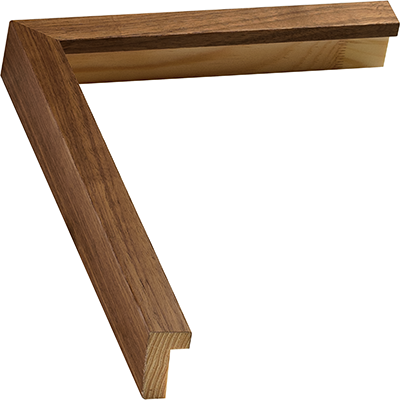
Width: 3/4 |
Rabbet Depth : 7/8
Pure and simple Scandinavian Modern inspired hardwood veneer frame for cohesive, designer-approved wall decor.
V1313INTDSGN
from $34.94
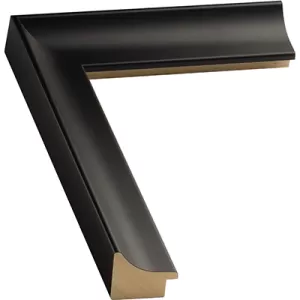
Width: 1 1/4 |
Rabbet Depth : 1/2
Smooth, sleek contemporary black frame with a concave scoop profile for polished gallery walls and matted photography, prints, and documents.
V660INTDSGN
from $30.06
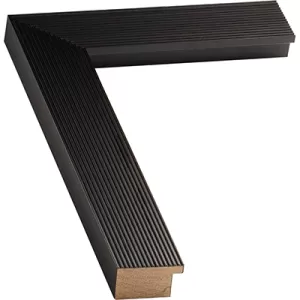
Width: 1 9/16 |
Rabbet Depth : 9/16
Contemporary black standard poster frame with a geometric ridge profile for concert posters, graphic prints, and modern gallery wall styling.
V659INTDSGN
from $42.66
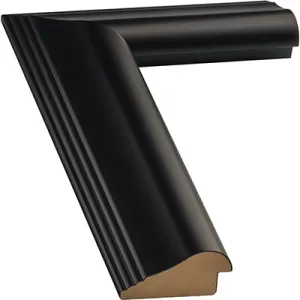
Width: 2 1/2 |
Rabbet Depth : 5/8
A black standard wall picture frame with a swan back profile for a polished, modern gallery wall look.
V657-1INTDSGN
from $44.46
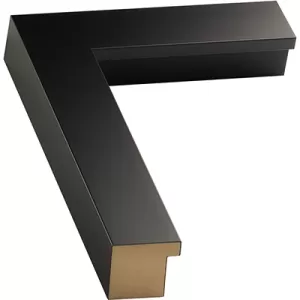
Width: 1 5/8 |
Rabbet Depth : 1
Smooth contemporary black wall frame with a bold look for photos, artwork, and posters. A designer-friendly choice for cohesive gallery walls and statement pieces.
V121-1INTDSGN
from $41.76
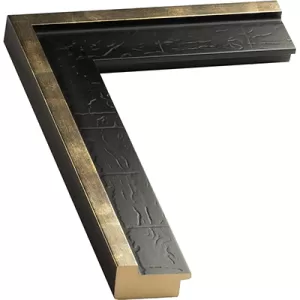
Width: 1 3/4 |
Rabbet Depth : 3/8
Classy black vintage standard picture frame with a stepped profile and silver edge accent for designer-approved wall decor, documents, and art on paper.
V299INTDSGN
from $67.70
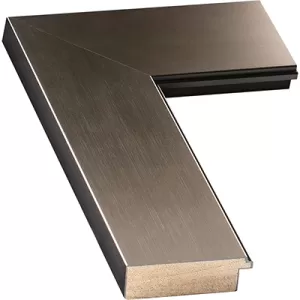
Width: 3 |
Rabbet Depth : 1/2
A wide brushed pewter wood panel picture frame with a black back and lip, designed for a cohesive, designer-approved wall display.
V90INTDSGN
from $41.04
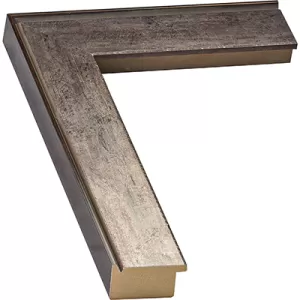
Width: 1 3/4 |
Rabbet Depth : 9/16
A standard silver flat wood picture frame with a versatile, design-friendly look for coordinated gallery walls, portraits, drawings, and paper-based art.
V264INTDSGN
from $24.50
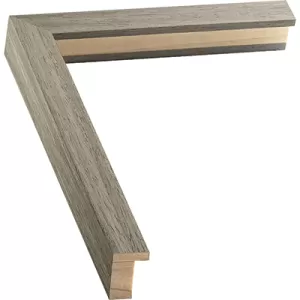
Width: 7/8 |
Rabbet Depth : 15/16
A contemporary standard picture frame with a calm light gray veneer over real wood, curated for polished gallery walls and serene interior styling.
How to choose a “designer-approved” frame look
This category is best when your priority is coordination—frames that support a room’s palette, furniture tones, and overall aesthetic. Use the checkpoints below to keep the result cohesive.
- Profile and presence: Slim mouldings feel modern and quiet; medium-width profiles feel classic; more visible grain and texture reads rustic and organic.
- Edge shape: Sharp edges tend to feel contemporary; softer, rounded edges can feel more traditional and relaxed.
- Finish reflectivity: Matte finishes read softer and more contemporary; more reflective finishes can appear brighter and more prominent under strong lighting.
Size planning, proportion, and layout (gallery walls and focal pieces)
Choose frame size based on the art size first, then adjust the overall scale to the wall area. A tight gallery wall usually looks best with slimmer profiles and consistent spacing; a single statement piece can handle more visual weight.
- Small accents: 4x6 and 5x7 work well in corridors, shelves, and tight groupings.
- Mid-size statements: 8x10 and 11x14 help anchor a cluster or balance a console table vignette.
- Large focal pieces: 16x20, 18x24, and 24x36 create a clear center above a sofa, bed, or mantel.
- Orientation: Mix portrait and landscape intentionally; keep spacing consistent to avoid a “floating” look.
If you’re unsure how to measure or plan sizing, use the artwork measuring guide and the custom frame sizes guide.
Matting: when it helps (and when it doesn’t)
Matting is one of the easiest ways to make a wall display feel finished. It adds breathing room, can visually unify mixed art styles, and often elevates smaller pieces so they don’t feel lost on a larger wall.
- Choose matted when you want a classic gallery feel, need extra visual separation around detailed art, or want to standardize the look across varied sizes.
- Choose unmatted when you want a cleaner, modern look or when the artwork already has strong margins and you prefer a full-bleed presentation.
To explore mat options for a coordinated presentation, see custom mats and matboard.
Finish coordination tips by room style
- Modern/minimalist rooms: Slim profiles in matte black, satin black, or crisp white keep the focus on the art and maintain clean lines.
- Warm, organic interiors: Natural oak tones and walnut tones pair well with natural materials and warmer palettes.
- Classic/transitional spaces: Medium-width profiles with subtle detailing in warm white/cream, espresso/dark brown, or timeless wood tones often feel most at home.
When this category is NOT the best fit (and what to consider instead)
If your main goal is something other than coordinated wall decor—such as a deep display for dimensional objects, or a specialty presentation—this curated interior-styling selection may not be the right starting point.
- Need extra depth for memorabilia or dimensional items? Consider a shadow-box style solution instead of a standard wall frame.
- Want a very specific, exact look or unusual sizing? Start with custom picture frames to match your design plan more precisely.
- Not sure which style direction suits your artwork? Use the frame style selection guide to narrow profile, finish, and overall feel.
Practical considerations for real homes
- High-traffic areas (hallways, kids’ rooms): Prioritize durability and finishes that won’t show scuffs as easily; plan for easy artwork swaps if you refresh seasonally.
- Staging and listings: Keep finishes consistent and proportions balanced to photograph cleanly and avoid visual clutter.
- Home offices: For certificates, diplomas, and awards, choose a frame profile and finish that matches the room’s furniture tones for a cohesive, professional look.
Made in the USA
Handcrafted by American framing experts
Family Owned
Serving customers for over 40 years
Premium Shipping
Professionally packaged for safe delivery
Ready to Hang
Hardware included with all frames
Framing Specialists
Over 40 years of custom framing experience