
Ok

Ok

What is the question
Cancel
PICTURE FRAMES
 CUSTOM PICTURE FRAMES
CUSTOM PICTURE FRAMES
Design Your Framing Package Online!
Add Mats, Glass & Acrylic, Mounting Board And More.


Search
☰

My Account
Log In
Favorites
Saved Designs
Shopping Cart
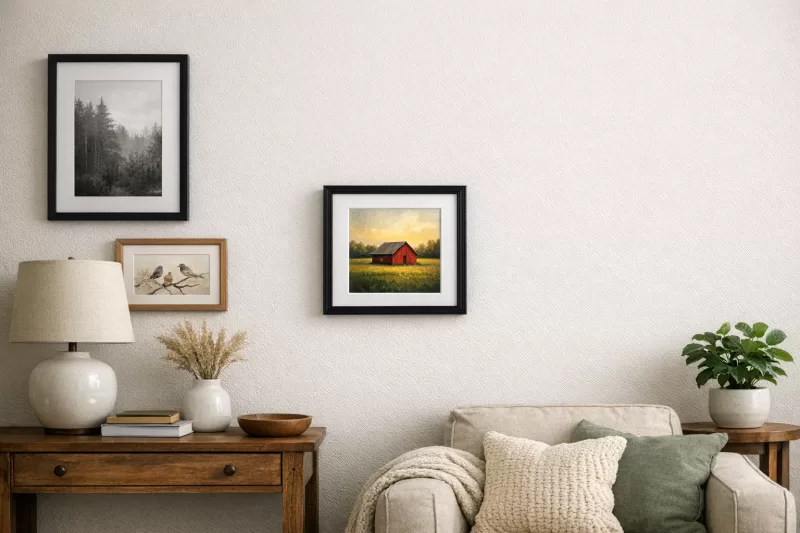
8x8 Picture Frames
Give a square photo or print a crisp, finished edge that looks intentional on the wall, on a shelf, or as part of a neat grid—an 8x8 frame keeps the proportions balanced so the artwork reads cleanly in tight spaces like entryways, kitchens, and bedside walls. Sized to fit 8 x 8 inch photos, prints, and square artwork, this format is a go-to for modern square compositions and tile-like groupings where consistent dimensions matter.
Use an 8x8 frame without a mat when you want an edge-to-edge presentation for a full-bleed 8x8 print. Prefer a more gift-ready look? Pair an 8x8 frame with a mat to center a smaller square piece (such as 4x4, 5x5, 6x6, or 7x7) and create a wider border that adds visual weight and polish. This size also works well when you’re replacing a worn or mismatched frame and need the new one to match the footprint of an existing square display.
Before you buy, confirm you’re shopping by the artwork opening size (8x8) rather than the outside dimensions, and decide how you want to display it: wall hanging, tabletop, or both. If you’re building a cohesive gallery wall, keep the frame profile and finish consistent across multiple 8x8 pieces for a clean, repeating rhythm. For help double-checking your measurements, see how to measure artwork for framing.
Filters
reset filters
SKU

Frame Colors
On Sale
Frame Styles
Rabbet Depth
Frame Width
Frame Height
Manufacturers
48 Results
Sort:
V278
25% OFF $38.26 $28.69

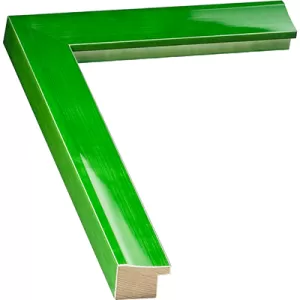
Width: 1 1/4 |
Rabbet Depth : 1/2
Glossy lime green frame with a slight scoop. Glossy lime green frame with a slight scoop.
V528
$35.85
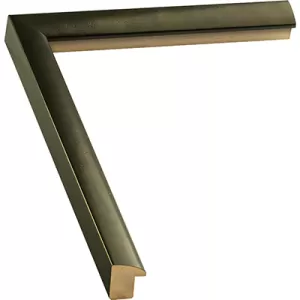
Width: 13/16 |
Rabbet Depth : 9/16
One of a large family of frame profiles with the look of forged, oil bronze, hammered metal. Look of forged, oil bronze, hammered metal.
V490
$49.56
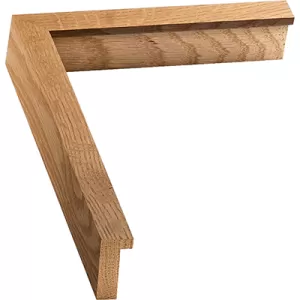
Width: 3/4 |
Rabbet Depth : 1 1/4
100% solid oak hardwood profile with a clean profile shape and open grain. Solid hardwoods, such as this gallery style oak picture frame, have long been a symbol of quality and durability, and have been used for millennia as a time-tested material in architecture and furniture design.
V533-1
$22.96
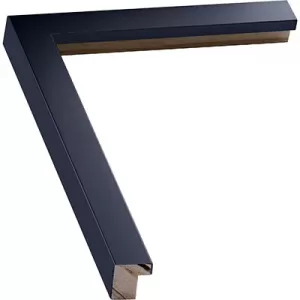
Width: 7/8 |
Rabbet Depth : 9/16
Navy blue wood profile. A few ideas for using this dark blue wood picture frame include framing photo collages for college dorm rooms, modern art such as Matisse prints, decorative abstract and geometric art, music concert venue posters, children's art, student.
V3950
$27.17
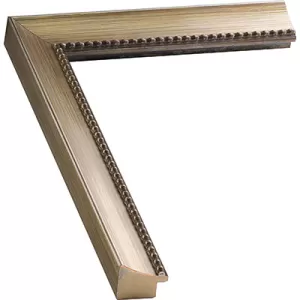
Width: 1 1/8 |
Rabbet Depth : 3/8
Silver beaded frame profile. Silver beaded picture frame with dark grey scratch, dusty reddish wash.
V545-1
$36.92
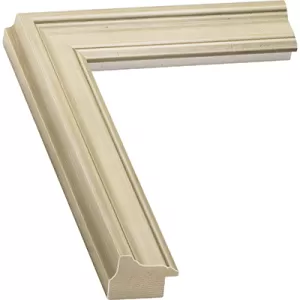
Width: 1 5/16 |
Rabbet Depth : 7/16
Ivory wood profile offers an refined metropolitan look. This ivory wood picture frame offers an refined metropolitan look that is inspired by the Hudson River School of painters, while staying relevant in a classic contemporary context.
V508
$27.23
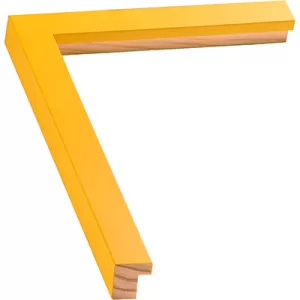
Width: 7/8 |
Rabbet Depth : 9/16
Bright yellow frame profile. Universities that feature yellow in their team colors include the University of Oregon (Go Ducks!), University of Delaware, and North Dakota State University.
V5030
25% OFF $31.78 $23.83
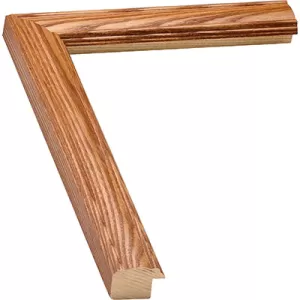
Width: 1 1/4 |
Rabbet Depth : 1/2
Light brown frame profile. Solid Oak Picture Frame uses its particular finish and contour to establish a distinct boundary around the artwork.
V670
$46.37
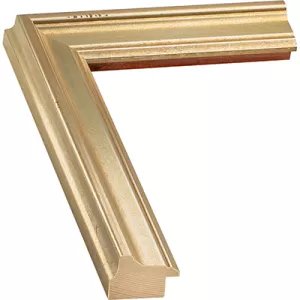
Width: 1 5/8 |
Rabbet Depth : 1/2
Warm silver champagne colored wood profile with a distressed look. This antique warm champagne silver wood picture frame offers a distressed look that complements soft and subtle landscapes and works on paper.
V805
$29.21
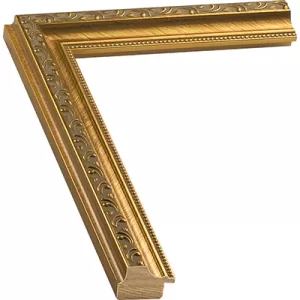
Width: 1 3/8 |
Rabbet Depth : 7/16
A petite pale-gold scoop with a beaded inner edge, gray-washed recesses, and a patterned outer band. Its compact scale provides visible ornament for smaller artwork without introducing a broad frame face.
V794
$32.84
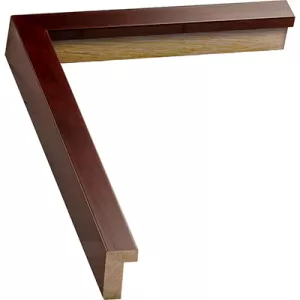
Width: 3/4 |
Rabbet Depth : 1
Mahogany colored wood profile. For example, watercolor paintings with a deckled edge could be floated on acid free archival mat board, and this mahogany colored wood picture frame would accommodate the necessary depth needed to space up the art or matting.
V550-1
$25.96

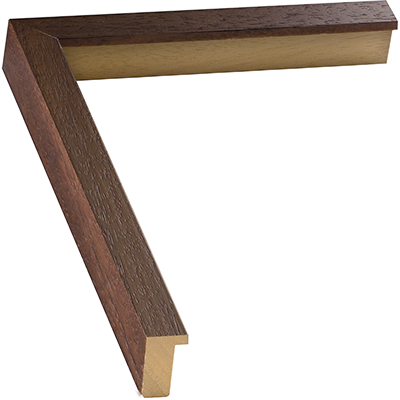
Width: 11/16 |
Rabbet Depth : 7/8
Medium brown wood profile with tight grain. For example, dark mats may provide a sense that the art is visually extended.
V682
$43.15
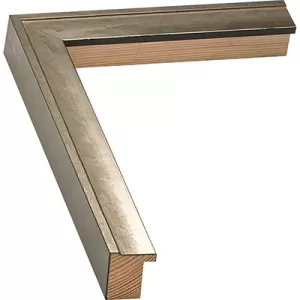
Width: 1 1/8 |
Rabbet Depth : 7/8
Profile is a flat faced silver frame with raised outer edge. The profile is mostly flat, with a small step along the outer edge, and slight aged look and texture that fades from the outside toward the inside of the frame, revealing a high sheen metallic finish toward the inner lip.
V290
25% OFF $29.03 $21.77
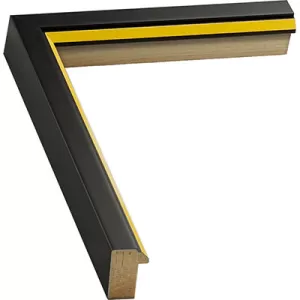
Width: 7/8 |
Rabbet Depth : 3/4
Matte black frame with a yellow bevel lip. Matte black frame with a yellow bevel lip.
V297
$40.76
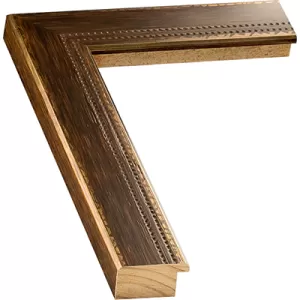
Width: 1 5/8 |
Rabbet Depth : 5/8
Walnut panel frame with gold edges and double dimple embossing. This brown frame features gold edges and double dimple embossing.
V515
$27.23
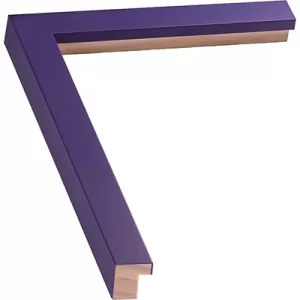
Width: 7/8 |
Rabbet Depth : 9/16
Purple frame profile. The restrained contour of Purple Picture Frame creates a clear outline while allowing the artwork to remain visually dominant.
V124
$32.42
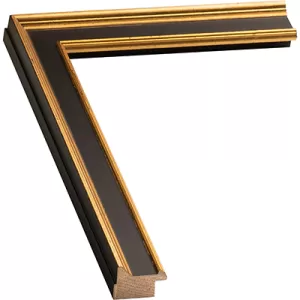
Width: 1 3/16 |
Rabbet Depth : 3/8
A petite stepped profile with a rounded gold inner lip, recessed black strip, raised gold ridge, and darkened edges. Alternating gold and black steps give this narrow frame more visual structure than a plain petite profile without creating a broad border.
V510
$27.23
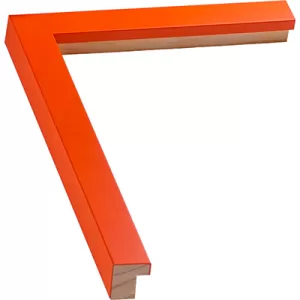
Width: 7/8 |
Rabbet Depth : 9/16
Bright orange color wood profile. Bright Orange Wood Picture Frame uses its particular finish and contour to establish a distinct boundary around the artwork.
V293
$38.21
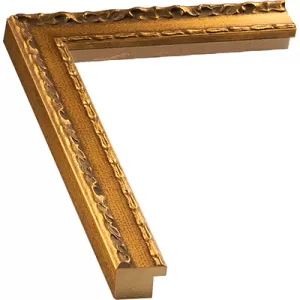
Width: 1 1/8 |
Rabbet Depth : 1/2
A petite gold panel with embossed details at the back edge and inner lip. The flat center panel creates visual breathing room between two compact bands of ornament.
V289
$29.03
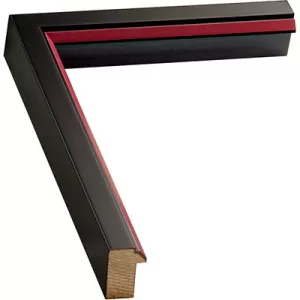
Width: 7/8 |
Rabbet Depth : 3/4
Matte black frame with a red bevel lip. Matte black frame with a redbevel lip.
V222
$101.77
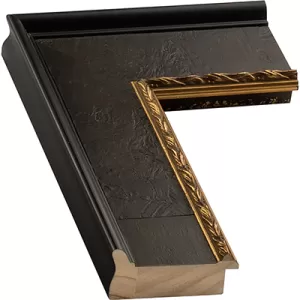
Width: 3 |
Rabbet Depth : 5/8
Distressed ebony color of this traditional veneer wood profile. The gold lip offers contrast to the dark recessed panel section of the profile, and enhances artwork in the same way a fillet functions in a stacked frame.
v493
$43.03
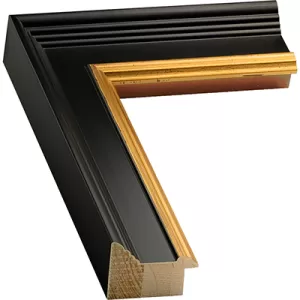
Width: 2 |
Rabbet Depth : 5/8
An American Federal-style profile with a rounded gold inner edge, recessed black panel, and stepped outer ridge. The recessed black panel gives the eye a quiet interval between the gold opening and the raised outer edge.
V572-1
$83.11
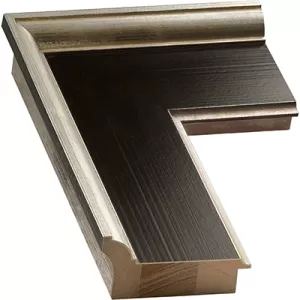
Width: 3 1/2 |
Rabbet Depth : 5/8
Wide black panel frame with a tall, silver, swan style back edge. Wide black and silver panel frame.
V175
$34.42
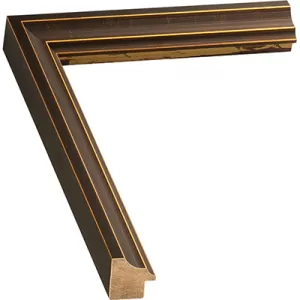
Width: 1 1/4 |
Rabbet Depth : 7/16
Oiled bronze with dark gold highlights and crackled broken leaf pattern frame profile. Oiled bronze photo frame for wall art and photography, with dark gold highlights & crackled broken leaf pattern picture frame.
V1431
$48.46
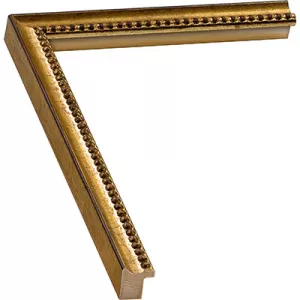
Width: 3/4 |
Rabbet Depth : 9/16
A petite dark-gold bead with visible crackle lines. Petite Dark Gold Beaded Frame uses a restrained contour to create a clear gold outline without competing with the artwork for attention.
V782
$26.51
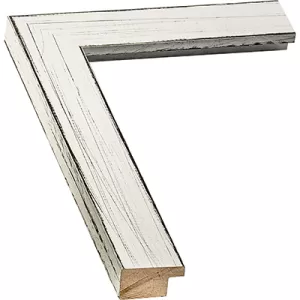
Width: 1 1/2 |
Rabbet Depth : 1/2
Rustic white frame profiles offer a country white vintage look. Order your rustic white frame in the size that's right for your art, whether you're framing prints, posters, photos, canvas, and more.
V808-1
$31.06
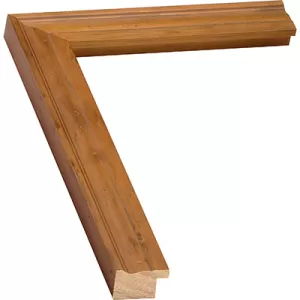
Width: 1 1/4 |
Rabbet Depth : 1/2
Small antique natural aged pine distressed wood barn style frame profile. Antique Pine Picture Frame provides a rustic visual surround for original art presented on thin, rigid hardboard panels or canvas boards.
V1313
$38.02
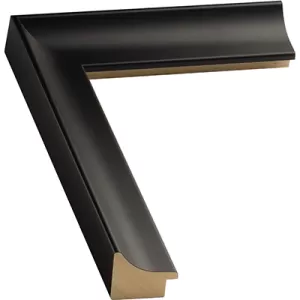
Width: 1 1/4 |
Rabbet Depth : 1/2
A smooth concave black scoop that rises toward the outside edge. The clean scoop draws the eye inward while maintaining a restrained, contemporary surface.
V251
$37.30
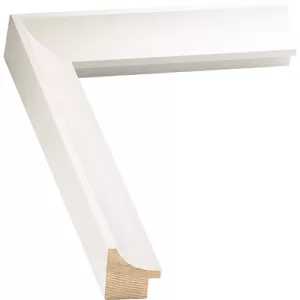
Width: 1 1/4 |
Rabbet Depth : 1/2
Great modern white frame profile style. Make it a white diploma frame to showcase your accomplishment, or preserve your children's art for years to come.
V514
$27.23
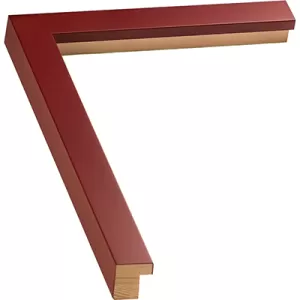
Width: 7/8 |
Rabbet Depth : 9/16
Crimson red frame profile. Photos and photo collages make a good pairing for this picture frame, especially for college students from schools with crimson red as a team color.
V156
$31.54
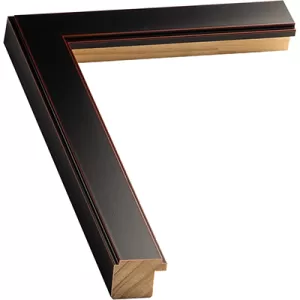
Width: 1 1/4 |
Rabbet Depth : 5/8
A black profile with a small step at each edge and fine red highlights. The fine red lines interrupt the black face with a controlled accent rather than a broad band of color.
V1602
$35.86
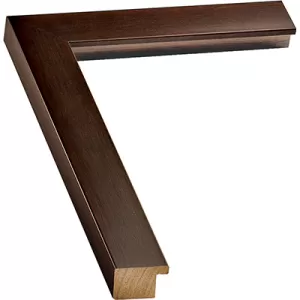
Width: 1 1/4 |
Rabbet Depth : 9/16
Dark brown wood profile with the look of wood grain. Styles or genres of art that could work in this brown wood picture frame include drawings of nature, watercolor paintings, and children's art, along with photo collages and portrait photography such as senior portraits.
V279
25% OFF $38.26 $28.69
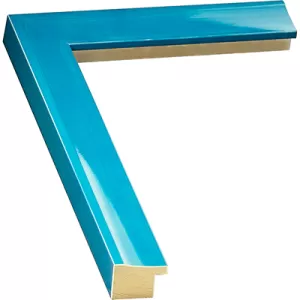
Width: 1 1/4 |
Rabbet Depth : 1/2
Glossy blue frame with a slight scoop. Shiny Blue Picture Frame with a slight scoop.
V121-1
$45.16
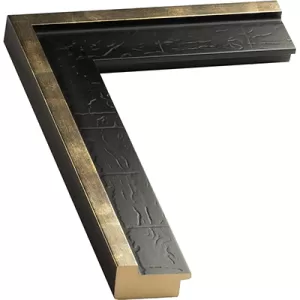
Width: 1 3/4 |
Rabbet Depth : 3/8
A broad black panel with a worn vintage character. The open center panel provides visual weight while the distressed surface keeps the presentation from feeling formal or polished.
V3994
$28.18
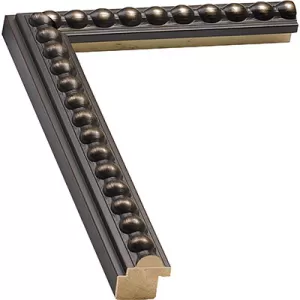
Width: 1 1/4 |
Rabbet Depth : 5/8
A rounded black bead with a reddish-silver wash settling between the raised details. The metallic wash separates each bead and brings definition to the medium-gloss black surface.
V263
$26.78
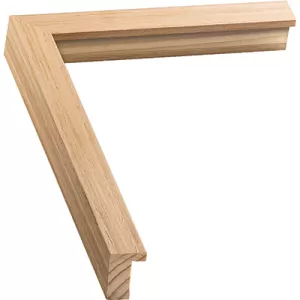
Width: 7/8 |
Rabbet Depth : 15/16
Real wood profile in a natural veneer. The light, natural look of this veneer wood picture frame lends itself to soft, monochromatic color schemes and imagery, along with nature art that is clean and serene, such as paintings of green leaves in the springtime, summer.
V3937
$23.33
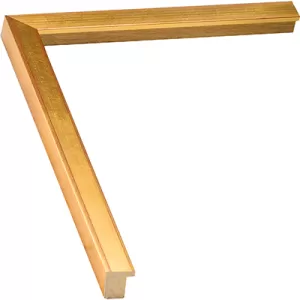
Width: 5/8 |
Rabbet Depth : 1/2
An exceptionally thin gold face with light hammering, red scratches, and red undertones. Thin Gold Frame with Red Undertones uses a restrained contour to create a clear gold outline without competing with the artwork for attention.
V797
$26.51
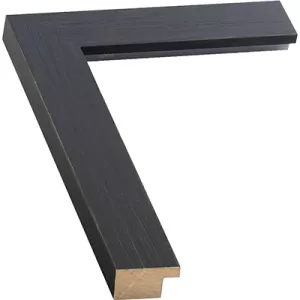
Width: 1 1/2 |
Rabbet Depth : 1/2
Country color rustic weathered blue. Posters that are most appropriate for this country rustic weathered blue wood picture frame include home decor and kitchen d cor, especially farm and dairy themes, folk landscapes, and rustic rural themes.
V3999
$26.78
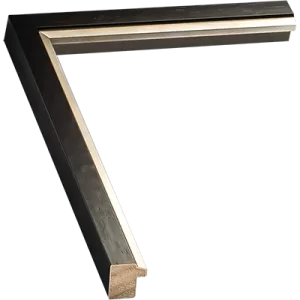
Width: 7/8 |
Rabbet Depth : 1/2
A subtle black-grain face with a narrow beveled silver inner lip. The silver lip acts as a fine transition next to the image while the remaining face stays dark and restrained.
V622
$55.94
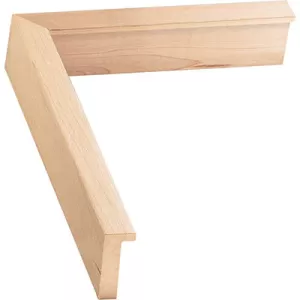
Width: 3/4 |
Rabbet Depth : 1 1/2
100% real maple it is suited for larger stretched canvas picture. Maple Picture Frame uses its particular finish and contour to establish a distinct boundary around the artwork.
V836
$34.76
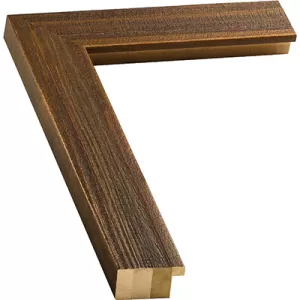
Width: 1 1/2 |
Rabbet Depth : 9/16
Rustic, walnut brown colored, vintage-distressed wood picture. This rustic, walnut brown colored, vintage-distressed wood picture frame features a flat profile shape that has been weathered through a sandblasting process to reveal and accentuate natural grain patterns in the wood.
V1314-1
$24.26
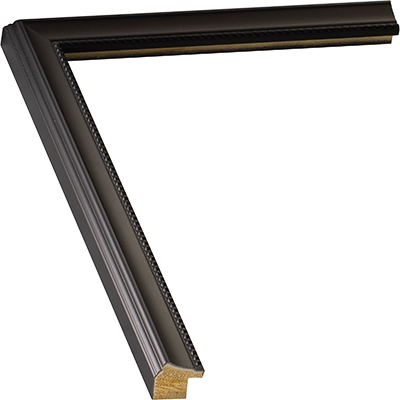
Width: 3/4 |
Rabbet Depth : 3/8
A petite black scoop bordered by a bead pattern along the inner lip. The curved face leads into a compact row of beads that gives the artwork opening a decorative finish.
V1302
25% OFF $25.06 $18.79
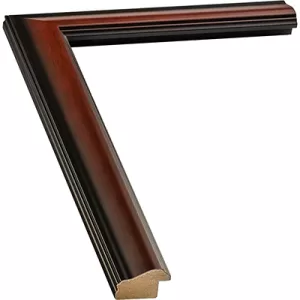
Width: 1 1/4 |
Rabbet Depth : 3/8
Mahogany colored wood profile with a black inner lip. Another consideration for this mahogany wood picture frame is to frame certificates, bachelor's degrees, law degrees, diplomas, awards, and other forms of recognition or documentation.
V529
$35.85
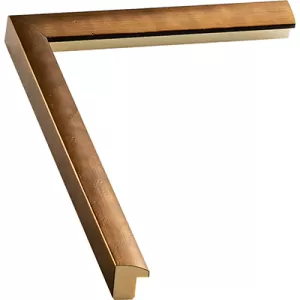
Width: 13/16 |
Rabbet Depth : 9/16
Contemporary, metallic, copper-colored frame profile. The brass finish on this wood copper-bronze frame features markings that resemble burst air pockets from molten metal that has solidified.
V569
$69.86
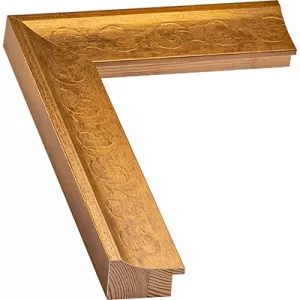
Width: 1 3/4 |
Rabbet Depth : 1/2
A warm gold scoop with a repeating embossed pattern and aged-cream color variation. The shallow scoop and repeating ornament create movement while the moderate width remains suitable for smaller and medium-scale pieces.
V3939
$24.04
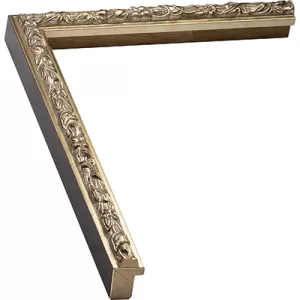
Width: 3/4 |
Rabbet Depth : 1/2
A small ornate silver profile. Small Ornate Silver Picture Frame uses its particular finish and contour to establish a distinct boundary around the artwork.
V787
25% OFF $26.51 $19.88
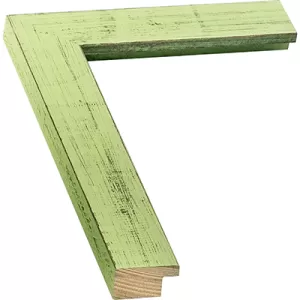
Width: 1 1/2 |
Rabbet Depth : 1/2
Is a seafoam green, shabby chic frame profile with country rustic farmhouse style. Adding to this theme, you might consider framing inspirational posters, poems, and antique signs that relate to sea life and the magic and mystery of wild waters.
V516
$27.23
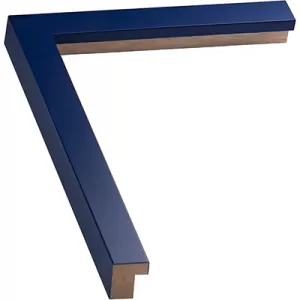
Width: 7/8 |
Rabbet Depth : 9/16
Dark blue wood profile. For college students framing photos of friends and family to decorate their dorm room, this simple blue picture frame might be ideal if the frame matches your school colors.
When an 8x8 frame is the right choice
An 8x8 picture frame is ideal when your artwork is truly square and you want a tidy, modern footprint that can stand alone or repeat in a pattern. It’s especially popular for square photo prints, small illustrations, and “tile” groupings where every piece needs to align.
- Exact-fit framing: Your print measures 8 inches by 8 inches and you want it to fit precisely.
- Gallery grids: You’re arranging multiple square frames in a row or grid and need consistent sizing.
- Small-space impact: You want a statement piece for a narrow wall, shelf styling, or a compact nook.
Mat or no mat: choosing the look
Both approaches are common with 8x8 frames—your choice depends on whether you want the art to fill the opening or sit within a border.
- No mat: Best for full-bleed 8x8 prints where you want maximum image area.
- With a mat: Great for centering smaller square prints (4x4 through 7x7) and creating a more finished, gift-ready presentation.
If you’re deciding which look fits your piece, Do I want to mat my art? walks through the visual tradeoffs.
Display considerations (wall, tabletop, or both)
Think about where the frame will live before you commit. A wall display reads more like wall art, while a tabletop or shelf display is great for desks, bookcases, and mantels. If you’re styling a space that changes seasonally, flexibility matters—choose a frame setup that supports how you plan to place it.
- Wall placement: Works well in entryways, kitchens, and bedside walls—alone or grouped.
- Tabletop placement: Ideal for offices, shelves, and gift displays.
- Sets and consistency: For multiple 8x8 pieces, matching profile thickness and finish keeps the arrangement cohesive.
Fit and measuring tips to avoid surprises
Frame sizing refers to the artwork size it’s designed to hold, not the outside edge of the frame. Measure your square print carefully and decide whether you want a mat opening that reveals slightly less than the full print (a common approach for a secure, clean edge).
- Measure the artwork width and height; confirm it’s truly square.
- Decide on full-bleed (no mat) vs. bordered (with mat) presentation.
- Plan your placement: a single 8x8 reads as a small-to-medium accent, while multiples create stronger presence.
Need a quick refresher? Use Measure Art to confirm what to order.
When 8x8 is NOT the best fit (and what to consider instead)
If your piece isn’t square, forcing it into an 8x8 frame usually means cropping or awkward borders. Consider a different size that matches the artwork’s proportions, or use matting to adapt a smaller square piece.
- Your print is rectangular: Consider a nearby rectangular size like 8x10 picture frames.
- Your square print is smaller than 8x8: Keep the 8x8 frame and add a mat for a centered, finished look.
- You want a larger single-piece presence: Consider moving up to a larger square size (such as 9x9, 10x10, or 12x12) for more wall impact.
Build your 8x8 framing solution
If you’re coordinating multiple pieces or want a specific look, you can start a custom build and choose the details that match your space and presentation goals.
- Design your own custom picture frame
- Select a custom mat for a bordered, gift-ready finish
- What should I order with my frame? for a complete checklist
Made in the USA
Handcrafted by American framing experts
Family Owned
Serving customers for over 40 years
Premium Shipping
Professionally packaged for safe delivery
Ready to Hang
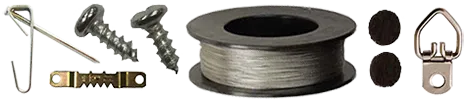
Hardware included with all frames
Framing Specialists
Over 40 years of custom framing experience