
Ok

Ok

What is the question
Cancel
PICTURE FRAMES
 CUSTOM PICTURE FRAMES
CUSTOM PICTURE FRAMES
Design Your Framing Package Online!
Add Mats, Glass & Acrylic, Mounting Board And More.




Search
☰

My Account
Log In
Favorites
Saved Designs
Shopping Cart

Custom Linen Picture Frame Liners
Shop custom linen picture frame liners for canvas, paintings, panels, and framed artwork. A frame liner is a dimensional inner moulding placed between the artwork and an outer picture frame, adding visual separation, texture, and another layer of proportion to the finished design.
Choose from 3/4-inch, 1 1/4-inch, and 2-inch profiles in white, off-white, and black. Selected styles include a built-in gold fillet for an additional metallic accent. Enter your artwork dimensions to view current pricing and available design options, or order a sample to examine the fabric, color, profile, and scale before selecting a liner.
Filters
reset filters
SKU

Frame Colors
Frame Styles
Rabbet Depth
Frame Width
Frame Height
Manufacturers
12 Results
Sort:
Showing Prices For
12 x 24
Picture Frames
Enter your artwork size for exact pricing.
Artwork Width
Enter the Artwork exact width
Artwork Height
Enter the Artwork exact height
Enter the exact width and height of the artwork or picture you wish to frame; do not add extra space. We automatically add the industry-standard 1/8-inch allowance so your glass or canvas has room inside the frame for expansion and contraction.
View 12 x 24 Prices
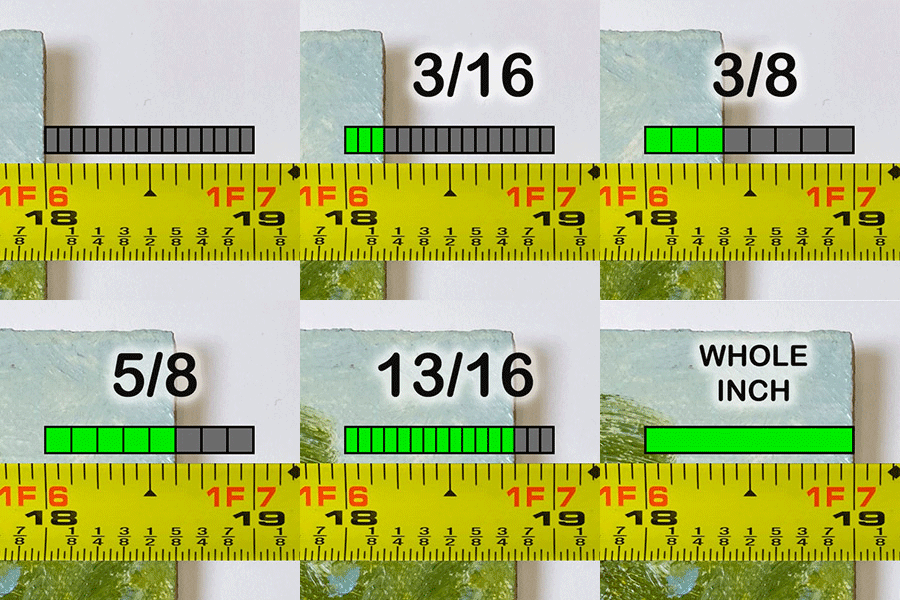
How to read your tape measure
Lina-wt
$52.07
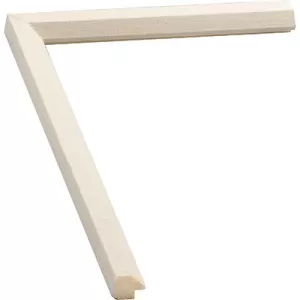
Width: 3/4 |
Rabbet Depth : 1/4
A narrow white fabric surface creates a crisp inner border with restrained visual weight. Its light neutral color can separate paintings, canvas prints, photographs, and framed art from darker or more decorative outer frames.
Linb-wt
$58.69
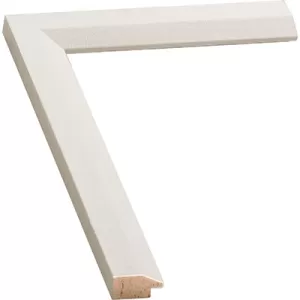
Width: 1 1/4 |
Rabbet Depth : 1/4
A balanced white fabric border adds visible separation without overwhelming the artwork. The neutral surface works across traditional and contemporary designs with paintings, canvas prints, photographs, and framed art.
Linc-wt
$66.55
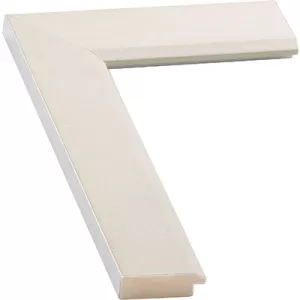
Width: 2 |
Rabbet Depth : 1/4
A broad white fabric face creates an expansive light border around paintings, canvas prints, and framed artwork. The generous width gives the linen texture and surrounding negative space a stronger role in the design.
Linb-gld
$60.45
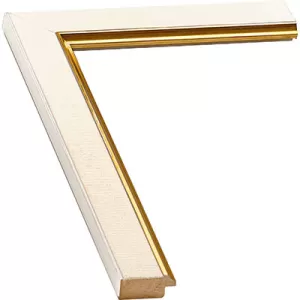
Width: 1 1/4 |
Rabbet Depth : 1/4
A white fabric face and narrow gold inner accent create a layered transition around paintings and framed artwork. The gold fillet defines the image edge while the linen provides light neutral separation.
Linc-gld
$70.31
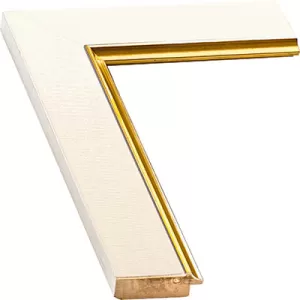
Width: 2 |
Rabbet Depth : 5/16
A broad white fabric face and built-in gold fillet create a substantial layered border around paintings and framed art. The linen supplies visual space while the gold accent defines the artwork edge.
Lina-ow
$52.07

Width: 3/4 |
Rabbet Depth : 1/4
A narrow off-white fabric border introduces warm neutral color without creating a wide visual break. Its restrained profile can complement paintings, canvas prints, photographs, and naturally colored artwork.
Linb-ow
$53.85
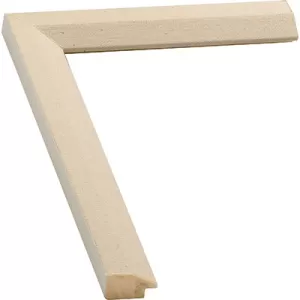
Width: 1 1/4 |
Rabbet Depth : 1/4
A balanced off-white fabric border brings warm neutral separation to paintings and framed art. The medium-width face supports traditional, transitional, rustic, coastal, and softly colored presentations.
Linc-ow
$66.55
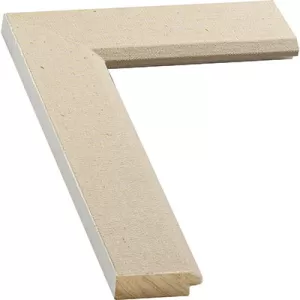
Width: 2 |
Rabbet Depth : 1/4
A broad off-white fabric face creates warm visual space around paintings, landscapes, portraits, and canvas prints. Its generous width makes the linen texture an important part of the finished presentation.
Linbow-gld
$60.45
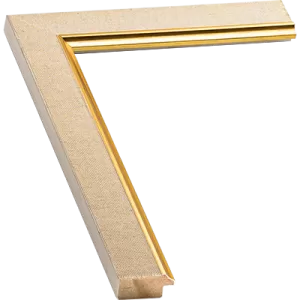
Width: 1 1/4 |
Rabbet Depth : 1/4
A warm off-white fabric face and narrow gold inner accent create a layered transition for paintings and framed art. The gold fillet defines the image while the linen softens the move to the outer frame.
Lina-bk
$52.07
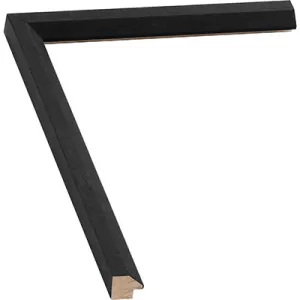
Width: 3/4 |
Rabbet Depth : 1/4
A narrow black fabric border creates a controlled dark transition around paintings, photographs, and framed artwork. Its restrained width adds definition without making the liner visually dominant.
Linb-bk
$58.69
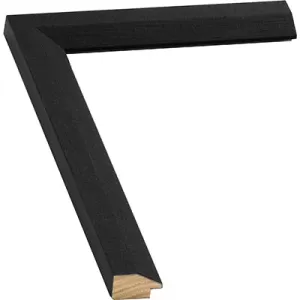
Width: 1 1/4 |
Rabbet Depth : 1/4
A balanced black fabric face provides confident contrast around paintings, photographs, and framed artwork. The medium width makes the dark linen surface visible without creating an overly broad border.
Linc-bk
$66.55
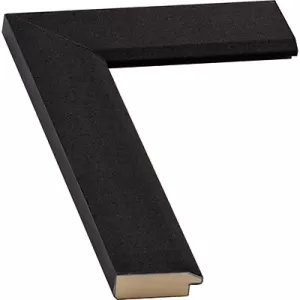
Width: 2 |
Rabbet Depth : 1/4
A broad black fabric surface creates a substantial dark surround for paintings, photography, canvas prints, and framed art. Its generous width gives contrast and linen texture a prominent visual role.
What Is a Linen Picture Frame Liner?
A linen picture frame liner is a fabric-wrapped moulding component installed inside an outer picture frame. Unlike a flat matboard border, a liner has a three-dimensional profile with its own face width, overall height, and rabbet. The fabric surface introduces a softer visual transition between the artwork and the surrounding frame.
Frame liners are frequently associated with paintings, canvas artwork, and framed panels, but they can also become part of a layered design for photographs, prints, certificates, and other paper artwork when the complete framing package includes the appropriate glazing, support, and outer frame.
Compare Linen Liner Options
| Decision | Available choices | What to consider |
|---|---|---|
| Face width | 3/4-inch, 1 1/4-inch, and 2-inch profiles | Wider liners create more visual space between the artwork and outer frame. Narrower liners provide a more restrained transition. |
| Fabric color | White, off-white, and black | Compare the liner with the lightest, darkest, and most prominent tones in the artwork and outer frame. |
| Inner accent | Plain fabric edge or selected gold-fillet styles | A gold fillet creates a defined metallic line immediately beside the artwork. |
| Profile dimensions | Face width, overall height, and rabbet vary by product | Review the specifications on the individual liner page when coordinating it with the artwork package and outer frame. |
| Sample | Individual moulding samples are available | A physical sample provides the clearest view of fabric texture, color, profile shape, and scale. |
Choosing a Liner Width
Liner width changes the apparent space around the artwork. A 3/4-inch liner adds a narrow fabric transition and preserves more emphasis on the outer frame. A 1 1/4-inch liner creates a more noticeable border without dominating the design. A 2-inch liner gives the fabric and its texture a stronger visual presence.
Artwork scale, composition, outer-frame width, and the amount of visual separation desired all influence the choice. The most balanced combination is not necessarily the widest available liner; it is the profile that establishes a clear transition while remaining proportional to the artwork and outer frame.
White, Off-White, and Black Linen Liners
White linen liners create a crisp, light transition and can reinforce clean highlights or neutral areas in the artwork. Off-white and oatmeal-toned liners produce a warmer separation that often coordinates naturally with earth tones, traditional palettes, and softly colored artwork.
Black linen liners provide stronger contrast and can visually connect dark passages in the artwork with a black, dark wood, metallic, or contrasting outer frame. Because fabric color and texture can appear different under room lighting and on a screen, ordering a sample is useful when the exact relationship between the artwork, liner, and frame matters.
Plain Linen or a Gold Fillet
A plain linen liner keeps the transition understated and places the emphasis on fabric texture, color, and proportion. It can work well when the outer frame already has a detailed finish or when the artwork benefits from a quieter inner border.
Selected liner styles include a built-in gold fillet along the inner edge. This narrow metallic detail creates a more defined boundary beside the artwork and can coordinate with gold outer frames, warm wood finishes, traditional paintings, portraits, landscapes, certificates, and artwork containing gold or warm highlights.
Liners for Canvas, Panels, and Paper Artwork
Canvas paintings and art panels are often displayed with a dimensional frame liner between the artwork and the outer frame. This treatment differs from a canvas floater frame: a liner creates a finished inner border, while a floater frame is designed to leave a visible space around the edge of the canvas.
For photographs, prints, diplomas, certificates, and works on paper, a fabric-wrapped liner may be incorporated into a layered framing design with suitable glazing, mats, mounting, and backing. Browse custom picture mats for flat matboard borders, or review glass and acrylic glazing options when planning a glazed framing package.
Pairing a Liner with an Outer Picture Frame
The liner and outer frame should work together both visually and physically. Compare their widths, profile heights, colors, finishes, and overall scale. A narrow outer frame can create a lighter composition, while a wider or more decorative frame can provide a stronger perimeter around the fabric liner.
The outer frame also needs sufficient space for the liner and the remaining framing components. Individual product pages provide the available specifications for comparing components. The rabbet depth guide explains the role of the frame rabbet in a complete framing package.
Browse custom wood picture frames to compare outer-frame colors, profiles, face widths, and finishes.
Order a Liner Sample
A sample is the most reliable way to evaluate the fabric surface and moulding profile before choosing a liner. It allows you to compare the white, off-white, black, or gold-accented liner directly with the artwork, outer frame, wall color, and room lighting.
Use the Order Sample option on an individual product page to select the liner profile you want to inspect.
Linen Picture Frame Liner Questions
What is the difference between a frame liner and a picture mat?
A frame liner is a three-dimensional fabric-wrapped moulding installed inside an outer picture frame. A picture mat is a flat paper-based border commonly used around photographs, prints, certificates, and other works on paper.
Can a linen liner be used with canvas artwork?
Linen liners are commonly used as an inner framing component for canvas paintings and art panels. The appropriate liner, outer frame, and fitting arrangement depend on the artwork and the complete framing design.
Can a linen liner be used with photographs or prints?
A fabric-wrapped liner can be incorporated into a layered design for photographs, prints, diplomas, certificates, and other paper artwork. These designs normally also use the appropriate glazing, mounting, backing, and outer frame.
Which linen liner color should I choose?
White creates a crisp transition, off-white produces a warmer neutral border, and black adds stronger contrast. Compare the liner with the artwork, outer frame, wall color, and room lighting rather than selecting it independently.
What does a gold fillet add to a linen liner?
A gold fillet creates a narrow metallic accent along the inside edge of the liner. It provides a more defined transition beside the artwork and can coordinate with warm colors, gold details, and selected outer-frame finishes.
Should I order a sample before choosing a liner?
A sample is useful for evaluating the actual fabric texture, color, profile shape, and scale. It also allows you to compare the liner directly with the artwork and prospective outer frame under the lighting where the finished piece will be displayed.
Made in the USA
Handcrafted by American framing experts
Family Owned
Serving customers for over 40 years
Premium Shipping
Professionally packaged for safe delivery
Ready to Hang
Hardware included with all frames
Framing Specialists
Over 40 years of custom framing experience