
Ok

Ok

What is the question
Cancel
PICTURE FRAMES
 CUSTOM PICTURE FRAMES
CUSTOM PICTURE FRAMES
Design Your Framing Package Online!
Add Mats, Glass & Acrylic, Mounting Board And More.



Search
☰

My Account
Log In
Favorites
Saved Designs
Shopping Cart
24x48 Floater Frames
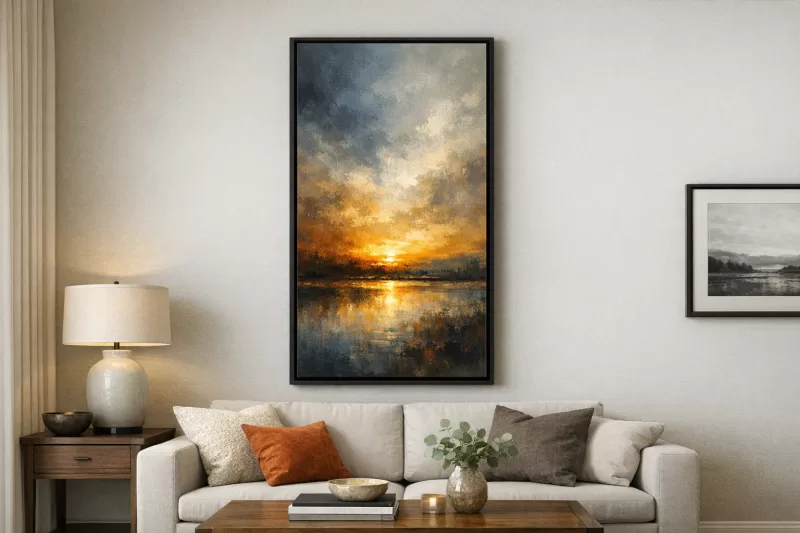
Give a large horizontal canvas an intentional, gallery-finished presence by adding a floater frame that creates a crisp reveal around the edges—especially effective when a 24 x 48 piece is anchoring a living room wall, hallway run, or statement spot above a sofa. A floater frame holds the artwork inside the frame so the face stays unobstructed, while a visible “float” gap adds clean lines and makes the scale feel polished rather than oversized.
This collection focuses on floater frame options built to fit artwork that measures 24 x 48 on the outside—most commonly a stretched canvas, but also compatible with cradled wood panels or other mounted pieces when the thickness is appropriate. Because floater frames rely on clearance and a secure fit, measuring matters: confirm your finished artwork is truly 24 x 48, and verify the depth/thickness of the stretcher bars or panel so the frame can accommodate it. Large-format canvases can vary slightly, so checking that the piece is square and true helps avoid a too-tight or uneven fit.
Use a 24x48 floating canvas frame when you want a modern, minimal presentation that complements panoramic landscapes, bold abstracts, and commercial-scale decor without covering the front of the art. If you’re still deciding on the right approach, start with the basics in the complete guide to choosing a floater frame.
Filters
reset filters
SKU

Frame Colors
On Sale
Frame Styles
Rabbet Depth
Frame Width
Frame Height
Manufacturers
50 Results
Sort:
V4996
15% OFF $199.94 $169.95

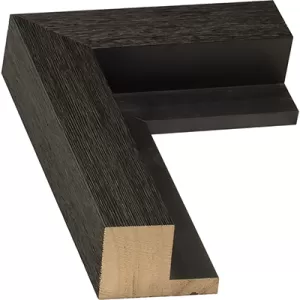
Supports artwork up to 1 3/8'' deep
Width: 1 5/8 |
Frame Depth : 1 3/8
Visually substantial wide black editorial floater' frame with gently felt texture, ebonized future walnut-look tones, and minimal earthy-visual variation.
V3952
$149.82
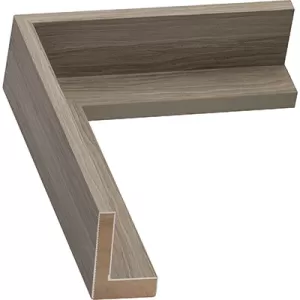
Supports artwork up to 1 5/8'' deep
Width: 3/8 |
Frame Depth : 1 11/16
This dark gray floater frame offers a charcoal-like neutral that is softer in appearance than black. The narrow face maintains a restrained contemporary outline while the profile accommodates deeper artwork.
V3987
$140.10
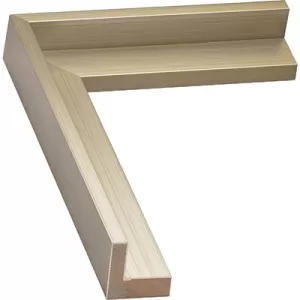
Supports artwork up to 7/8'' deep
Width: 3/8 |
Frame Depth : 7/8
A concise shallow floater frame with a narrow face and restrained warm-silver appearance.
V3941
$126.47
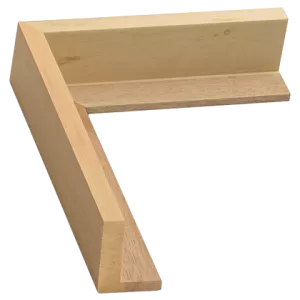
Supports artwork up to 1 5/8'' deep
Width: 1/2 |
Frame Depth : 1 5/8
A customization-led floater frame intended for painting, with an unfinished appearance, variable tone, and a balanced medium face.
V3986
$149.82
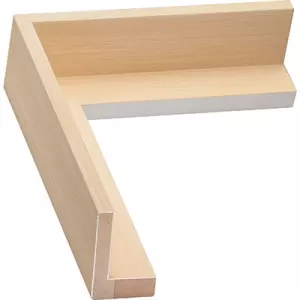
Supports artwork up to 1 5/8'' deep
Width: 3/8 |
Frame Depth : 1 11/16
Pale maple-look deep floater frame with light grain character and a narrow contemporary face.
V86
$219.18
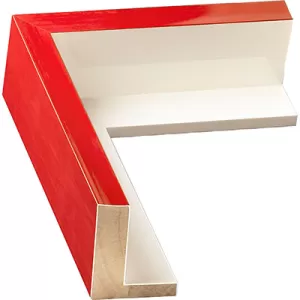
Supports artwork up to 1 7/8'' deep
Width: 3/4 |
Frame Depth : 1 7/8
Vivid red high-gloss canvas floater frame with a broad face, simulated grain appearance, and deep artwork capacity.
V3954
$134.43
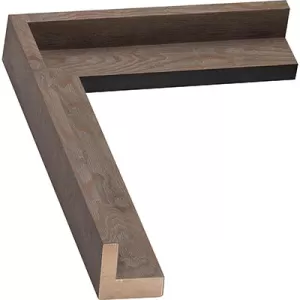
Supports artwork up to 7/8'' deep
Width: 3/8 |
Frame Depth : 7/8
A shallow, narrow floater frame in a soft taupe finish that balances gray and brown.
V3990
$149.82
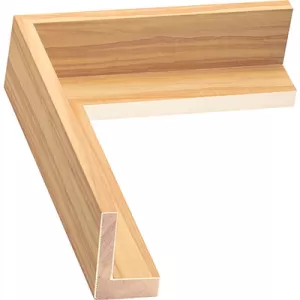
Supports artwork up to 1 5/8'' deep
Width: 3/8 |
Frame Depth : 1 11/16
A pale blonde tone and natural grain look give this profile a light, warm-neutral appearance. Its narrow face keeps the frame minimal.
V88
$219.18
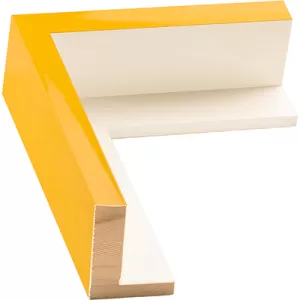
Supports artwork up to 1 7/8'' deep
Width: 3/4 |
Frame Depth : 1 7/8
Bright yellow high-gloss canvas floater frame with a broad color band and deep artwork capacity.
V91
$219.18
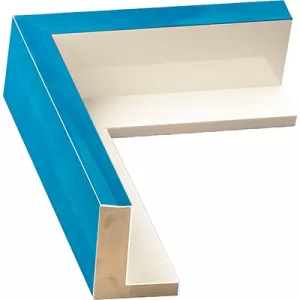
Supports artwork up to 1 7/8'' deep
Width: 3/4 |
Frame Depth : 1 7/8
Pop Blue! A bright colorful collection of high-gloss moulding.
V623
$290.12
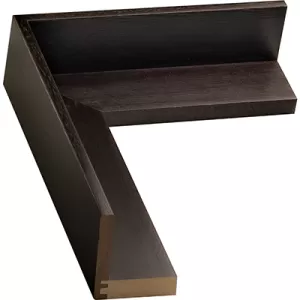
Supports artwork up to 1 5/8'' deep
Width: 5/16 |
Frame Depth : 1 5/8
Made from genuine solid Walnut hardwood this frame provides the visual depth of a near-black frame with the warmth and authentic grain of its genuine solid walnut hardwood. Its narrow proportions create a dark natural presentation without a broad border.
V3974
$118.65
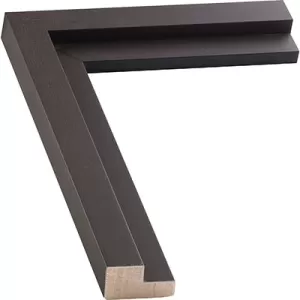
Supports artwork up to 3/8'' deep
Width: 7/8 |
Frame Depth : 3/8
A dark espresso-brown panel frame with a smooth appearance and compact listed complete molding width.
V3965
$149.82
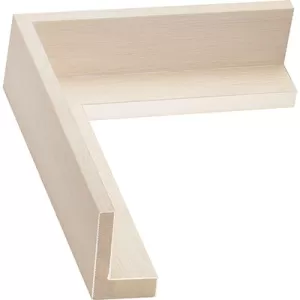
Supports artwork up to 1 5/8'' deep
Width: 3/8 |
Frame Depth : 1 11/16
Combines soft whitewash character with the minimal proportions of a narrow-face floater frame. It brings a pale rustic finish to deeper canvas artwork without the stronger visual weight of a wide molding face.
V3967
$149.82
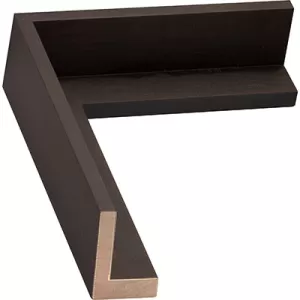
Supports artwork up to 1 5/8'' deep
Width: 3/8 |
Frame Depth : 1 11/16
Features a dark espresso-brown color and flat, low-sheen appearance. Its narrow face creates a warm dark outline around deeper canvas artwork without the reflective character of a glossier finish.
V3984
$149.82
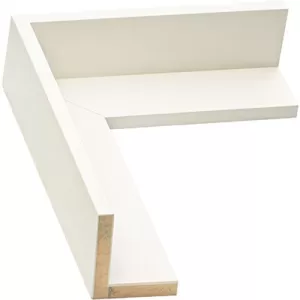
Supports artwork up to 1 5/8'' deep
Width: 3/8 |
Frame Depth : 1 11/16
Clean white deep canvas floater frame with minimalist lines and restrained front-facing weight.
V3956
$149.82
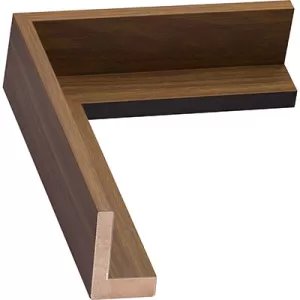
Supports artwork up to 1 5/8'' deep
Width: 3/8 |
Frame Depth : 1 11/16
Dark walnut-look deep floater frame with rich brown grain appearance and a slender face.
V3979
$155.49
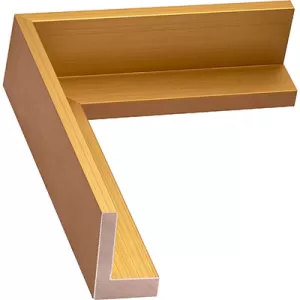
Supports artwork up to 1 5/8'' deep
Width: 3/8 |
Frame Depth : 1 11/16
Warm gold deep canvas floater frame with a clean finish and slender contemporary proportions.
V3980
$140.10
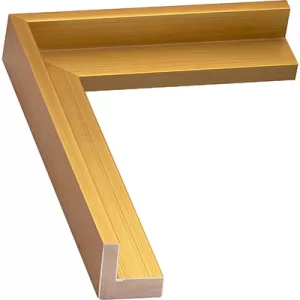
Supports artwork up to 7/8'' deep
Width: 3/8 |
Frame Depth : 7/8
A shallow canvas floater frame with a narrow face and warm-gold metallic accent.
V3963
$149.82
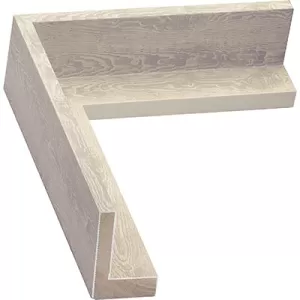
Supports artwork up to 1 5/8'' deep
Width: 3/8 |
Frame Depth : 1 11/16
Weathered white deep floater frame with aged character and a narrow, visually light face.
V3985
$155.49
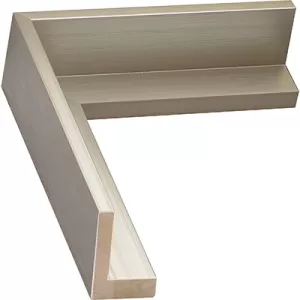
Supports artwork up to 1 5/8'' deep
Width: 3/8 |
Frame Depth : 1 11/16
Warm silver deep floater frame with a concise metallic look and slender contemporary face.
v3942
$180.42
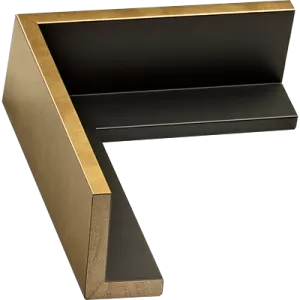
Supports artwork up to 2 1/8'' deep
Width: 7/16 |
Frame Depth : 2 1/8
An extra-deep floater frame combining warm autumn gold with black contrast and substantial, clean-lined proportions.
V552
$239.86
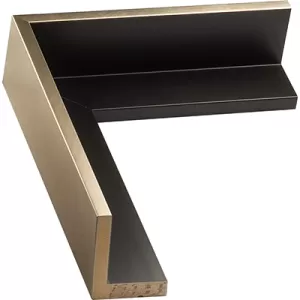
Supports artwork up to 1 5/8'' deep
Width: 5/16 |
Frame Depth : 1 5/8
Combines a champagne silver-gold tone with black contrast in a slender contemporary profile. Its narrow face provides restrained metallic definition while its deep capacity.
V3953
$122.04
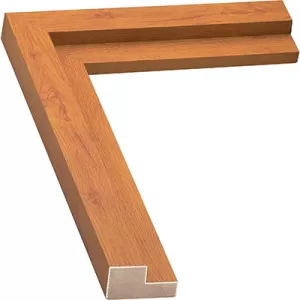
Supports artwork up to 3/8'' deep
Width: 7/8 |
Frame Depth : 3/8
A shallow panel frame combining a substantial face with a warm cherry-look red-brown appearance.
v180-1
$168.71
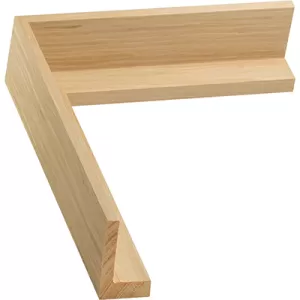
Supports artwork up to 1 1/2'' deep
Width: 1/4 |
Frame Depth : 1 1/2
Light-grain canvas floater frame with a calm natural-looking finish, narrow visible face, and understated contemporary character.
V3988
$131.00
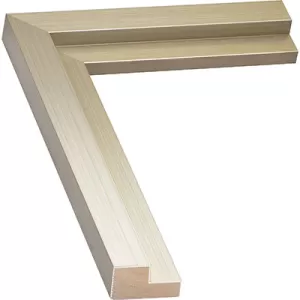
Supports artwork up to 3/8'' deep
Width: 7/8 |
Frame Depth : 3/8
A contemporary silver panel frame with a cool metallic look and balanced wide-face presence.
V89
$218.35
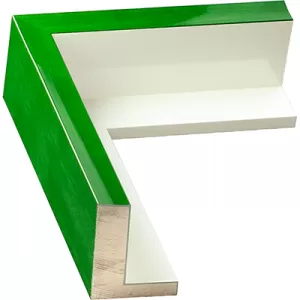
Supports artwork up to 1 7/8'' deep
Width: 3/4 |
Frame Depth : 1 7/8
Ideal floater frame for art 1-3/4" thick or less. Pop Green! A bright and colorful new collection of high-gloss moulding.
V3972
$122.04
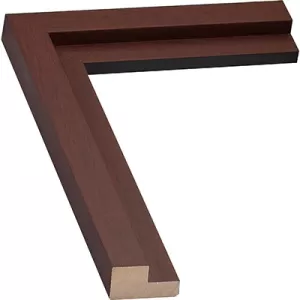
Supports artwork up to 3/8'' deep
Width: 7/8 |
Frame Depth : 3/8
A wide-face panel frame with dark red-brown color and pronounced warm grain character.
Vred
20% OFF $194.28 $155.43
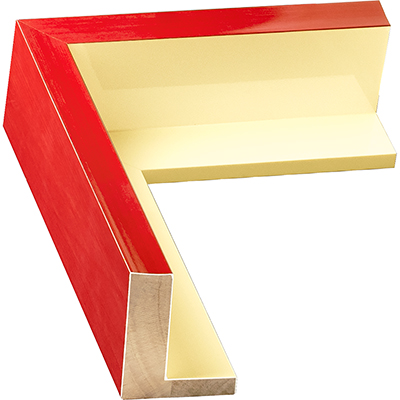
Supports artwork up to 1 7/8'' deep
Width: 3/4 |
Frame Depth : 1 7/8
A bright pop-red floater frame with high-gloss sheen, simulated grain character, and a contrasting off-white foot.
V3962
$134.43
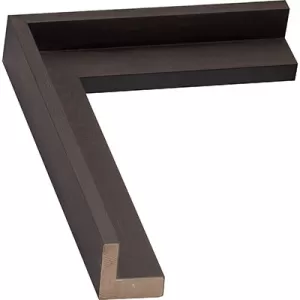
Supports artwork up to 7/8'' deep
Width: 3/8 |
Frame Depth : 7/8
A minimal canvas floater frame combining a narrow face, flat espresso-brown finish, and shallow artwork capacity.
V3960
$122.04
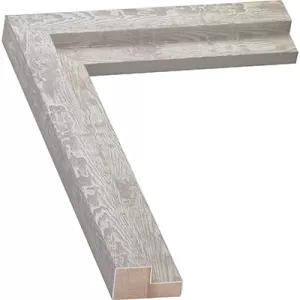
Supports artwork up to 3/8'' deep
Width: 7/8 |
Frame Depth : 3/8
A wide-face panel frame with an aged weathered-white finish and balanced visual weight.
V3943
$180.42
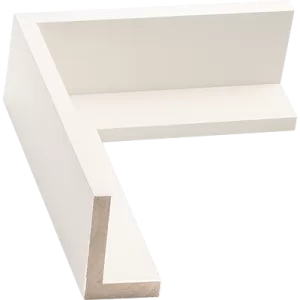
Supports artwork up to 2 1/8'' deep
Width: 7/16 |
Frame Depth : 2 1/8
A smooth white canvas floater frame with clean lines, substantial proportions, and extra-deep artwork capacity.
V87
$213.37
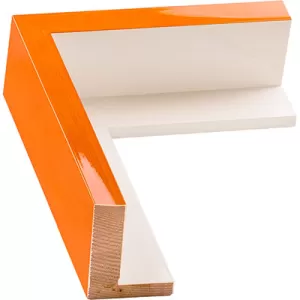
Supports artwork up to 1 7/8'' deep
Width: 3/4 |
Frame Depth : 1 7/8
Vivid orange high-gloss canvas floater frame with a broad face, simulated grain appearance, and deep artwork capacity.
V3989
$131.00
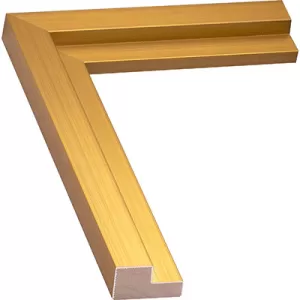
Supports artwork up to 3/8'' deep
Width: 7/8 |
Frame Depth : 3/8
A warm gold panel frame with a substantial face and statement-making metallic appearance.
V3955
$134.43
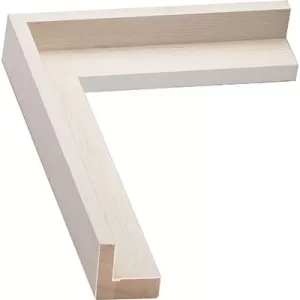
Supports artwork up to 7/8'' deep
Width: 3/8 |
Frame Depth : 7/8
A shallow canvas floater frame pairing a narrow face with a soft whitewash appearance.
V3961
$122.04
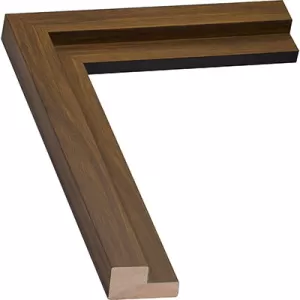
Supports artwork up to 3/8'' deep
Width: 7/8 |
Frame Depth : 3/8
A substantial panel frame with a warm dark-brown walnut-look finish.
V3958
$149.82
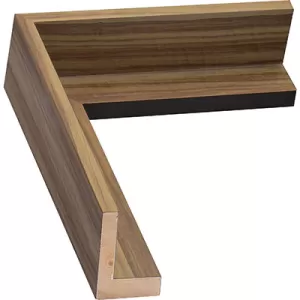
Supports artwork up to 1 5/8'' deep
Width: 3/8 |
Frame Depth : 1 11/16
Light walnut-look deep floater frame with warm brown grain character and a slender face.
V626
$329.42
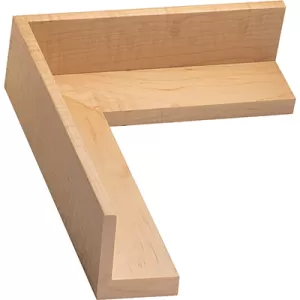
Supports artwork up to 1 5/8'' deep
Width: 5/16 |
Frame Depth : 1 5/8
Made from genuine solid maple hardwood with a pale natural color and authentic grain. Its narrow face maintains a light, minimalist presence while the deep profile supports artwork up to 1-5/8 inches deep.
V4000
$183.63
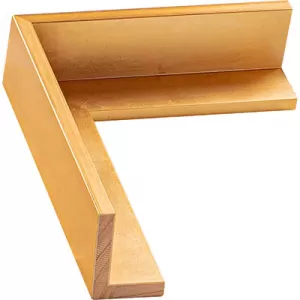
Supports artwork up to 1 3/4'' deep
Width: 3/8 |
Frame Depth : 1 3/4
Narrow-face soft gold rubbed canvas floater frame with subtle leaf-line texture, fine red accents, and deep artwork capacity.
V3983
$122.04
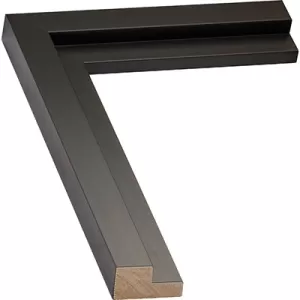
Supports artwork up to 3/8'' deep
Width: 7/8 |
Frame Depth : 3/8
A smooth black panel frame with a crisp, wide-face presentation for shallow artwork.
V3976
$134.43
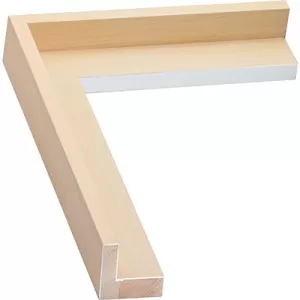
Supports artwork up to 7/8'' deep
Width: 3/8 |
Frame Depth : 7/8
A shallow canvas floater frame combining a narrow face with a light maple-look grain finish.
V849
$242.44
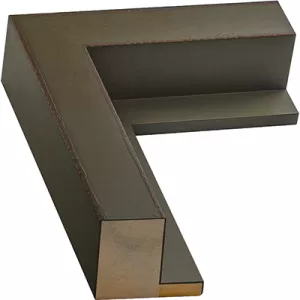
Supports artwork up to 1 5/8'' deep
Width: 1 1/2 |
Frame Depth : 1 5/8
Gives canvas art a substantial industrial perimeter through a wide distressed gray face. Its finish recalls vintage iron or steel tubing, while its deep proportions accommodate compatible artwork up to 1-5/8 inches deep.
V3964
$122.04
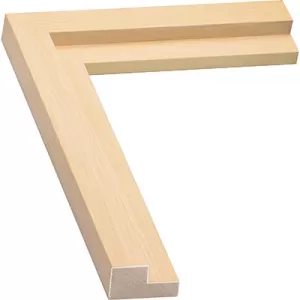
Supports artwork up to 3/8'' deep
Width: 7/8 |
Frame Depth : 3/8
A light natural-looking panel frame with pale grain character and a substantial visible face.
V3968
$181.30
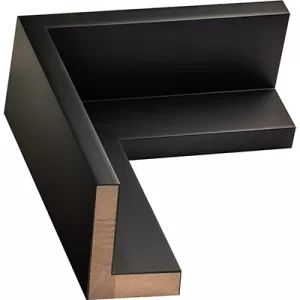
Supports artwork up to 2 1/4'' deep
Width: 9/16 |
Frame Depth : 2 1/4
An extra-deep canvas floater frame with smooth black lines, substantial visual weight, and the catalog's greatest maximum artwork depth.
V3959
$149.82
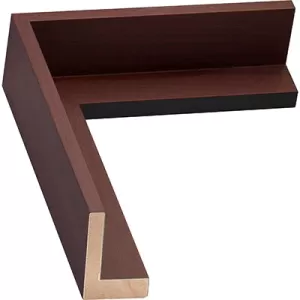
Supports artwork up to 1 5/8'' deep
Width: 3/8 |
Frame Depth : 1 11/16
This DIY-oriented canvas floater frame features a dark mahogany-look red-brown color with visible grain character. Its narrow face keeps attention on the art, while its deep capacity supports artwork up to 1-5/8 inches deep.
V3969
$149.82
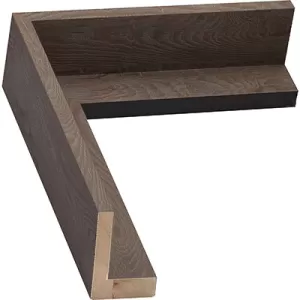
Supports artwork up to 1 5/8'' deep
Width: 3/8 |
Frame Depth : 1 11/16
This soft gray-taupe floater frame is designed for coordinated gallery-wall presentations and deeper artwork. Its narrow face supplies subtle definition without the stronger contrast of black or dark gray.
V3977
$134.43
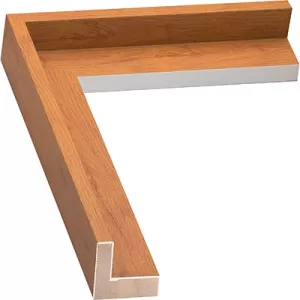
Supports artwork up to 7/8'' deep
Width: 3/8 |
Frame Depth : 7/8
A shallow canvas floater with a compact face and warm cherry-look red-brown appearance.
V3973
$122.04
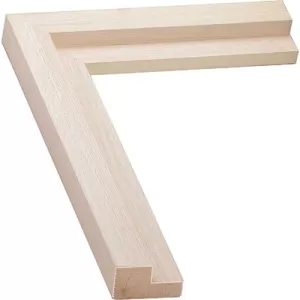
Supports artwork up to 3/8'' deep
Width: 7/8 |
Frame Depth : 3/8
A casual whitewash panel frame that combines a pale finish with balanced wide-face proportions.
Vgreen
20% OFF $194.28 $155.43
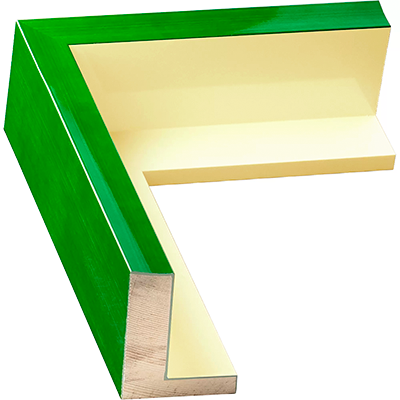
Supports artwork up to 1 7/8'' deep
Width: 3/4 |
Frame Depth : 1 7/8
A vivid pop-green floater frame that combines glossy simulated grain character with a contrasting off-white foot.
V3981
$149.82
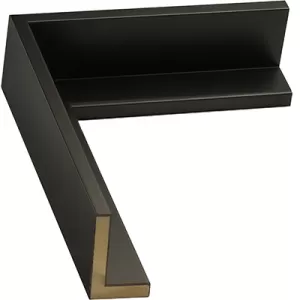
Supports artwork up to 1 5/8'' deep
Width: 3/8 |
Frame Depth : 1 11/16
A smooth black option in the coordinated deep floater series. Its clean finish and narrow visible face create crisp definition around deeper canvas artwork without the visual weight of a wide profile.
V3971
$122.04
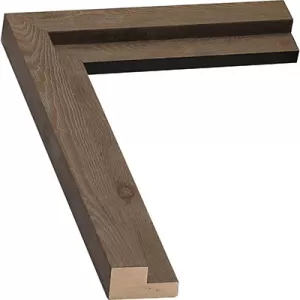
Supports artwork up to 3/8'' deep
Width: 7/8 |
Frame Depth : 3/8
A versatile gray panel frame with balanced visual weight and a substantial visible face.
What a 24x48 floater frame does (and why it looks “finished”)
A floater frame is built so your artwork sits inside the frame with a visible space around the perimeter. That float gap highlights the edge of a stretched canvas or mounted panel and gives large horizontal work a clean, intentional outline—without covering the front surface like a traditional frame.
For an overview of how the floating reveal works and what to expect during installation, see The Complete Guide to Choosing a Floater Frame.
Compatibility: when 24x48 is the right fit
This size is appropriate when the outside dimensions of your finished artwork measure 24 inches by 48 inches. It’s most often used for large horizontal canvases, panoramic decor, and statement pieces intended to command a wall.
- Best match: 24x48 stretched canvas (painted or printed on canvas)
- Also works well: 24x48 cradled wood panels
- Sometimes works: 24x48 canvas panels mounted to a rigid backer (when thickness is appropriate)
Measure before you order: size and depth checks
Floater frames depend on both the face size and the thickness of the artwork. Before choosing a frame, measure the finished outside dimensions of the canvas or panel and confirm the depth/thickness so the frame provides proper clearance and a secure fit.
- Measure the artwork across the outside edges (do not estimate from the listed art size).
- Confirm thickness/depth of stretcher bars or cradled panel so the frame depth is compatible.
- Check that the piece is square and true—large canvases can vary slightly, which can affect fit and the evenness of the float gap.
If you want a refresher on measuring, use How to Measure Artwork for a Custom Picture Frame as a step-by-step reference.
Common buying scenarios for 24x48 floater frames
- You already have a 24x48 stretched canvas and want a frame that fits without covering the front.
- You’re delivering a 24x48 commission and need a clean, gallery-style presentation.
- You’re installing a statement piece above a couch or fireplace and want the artwork to look complete on the wall.
- You’re matching multiple large horizontal canvases and need consistent floater-frame styling across the set.
- Your canvas is thicker than standard and you need a frame that accommodates the depth.
When this 24x48 floater-frame intent is NOT appropriate
Choose a different approach if your artwork is not mounted/stretched to 24 x 48, or if it needs a frame that overlaps the front surface. Floater frames are not meant to cover the face of the artwork, and they’re not a fit for pieces that require a traditional, front-overlapping presentation.
- Not 24x48 on the outside: select the correct floater-frame size for your measured dimensions.
- Artwork isn’t mounted or stretched: a floater frame won’t provide the right support or presentation.
- Depth mismatch: if the artwork is too thick or too thin for the frame’s clearance, the fit and reveal can suffer.
Helpful add-ons for fit and installation
Oversized pieces sometimes need small adjustments to keep the reveal even and the artwork secure.
- Floater frame shim kit for fine-tuning fit and spacing
- 1" Canvas Off Set Clips for securing certain canvas depths
- 1 1/4" Canvas Off Set Clips for securing thicker canvas builds
Related size alternatives (nearby panoramic options)
If your artwork measures differently—or you’re planning a series—these nearby sizes are common alternatives to a 24x48 floater frame:
- 24 x 36 (slightly smaller large-format)
- 20 x 40 (popular panoramic alternative)
- 18 x 36 (narrower panoramic)
- 30 x 40 (taller, more balanced rectangle)
- 24 x 60 (longer panoramic statement size)
- 30 x 60 (extra-large panoramic)
Explore more floater-frame options
If you’re comparing styles or framing multiple mounted pieces, browse Floating Frames for Canvas & Panels for additional floater-frame directions that keep the artwork face unobstructed while delivering a modern, gallery-inspired finish.
Made in the USA
Handcrafted by American framing experts
Family Owned
Serving customers for over 40 years
Premium Shipping
Professionally packaged for safe delivery
Ready to Hang
Hardware included with all frames
Framing Specialists
Over 40 years of custom framing experience