
Ok

Ok

What is the question
Cancel
PICTURE FRAMES
 CUSTOM PICTURE FRAMES
CUSTOM PICTURE FRAMES
Design Your Framing Package Online!
Add Mats, Glass & Acrylic, Mounting Board And More.




Search
☰

My Account
Log In
Favorites
Saved Designs
Shopping Cart
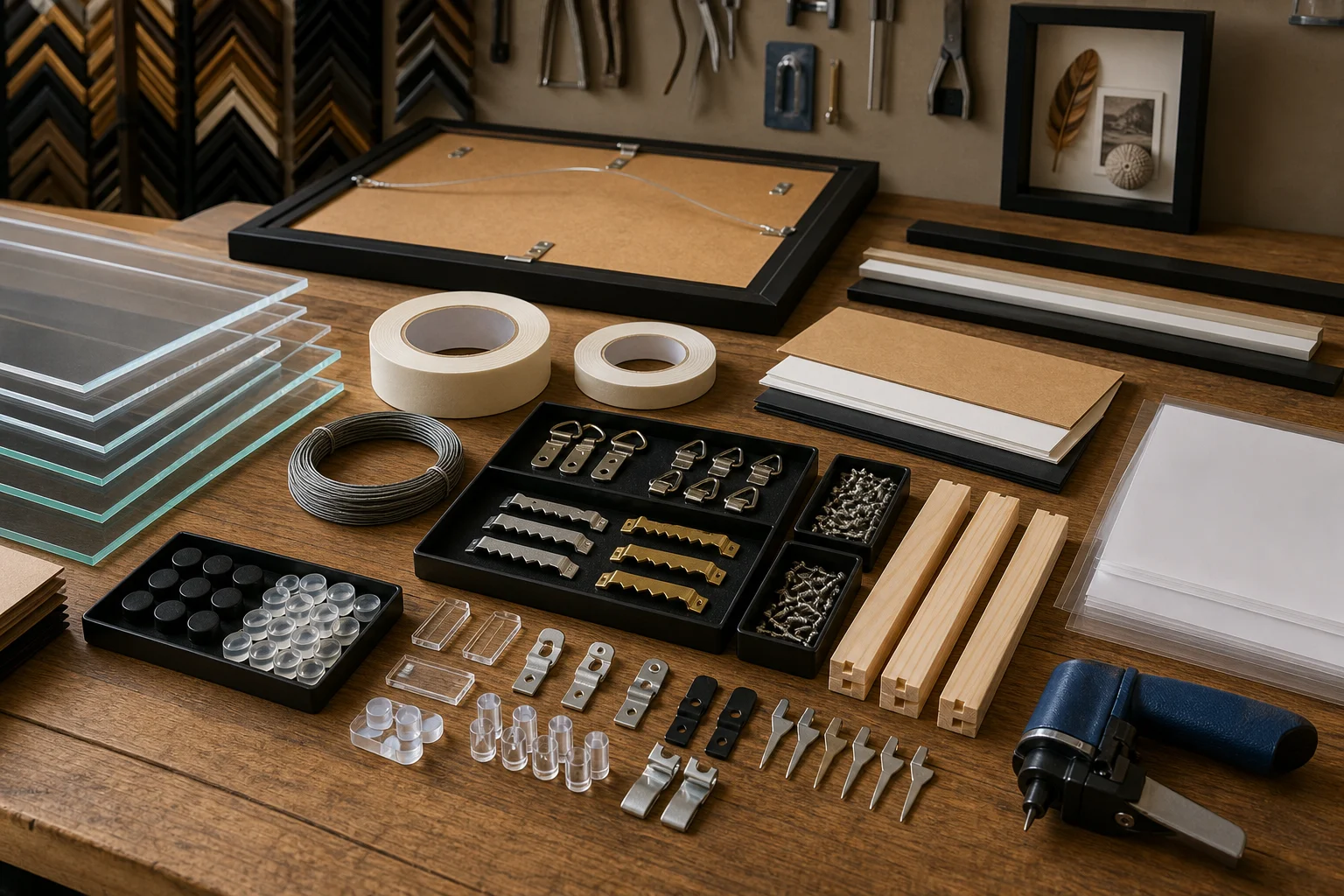
Picture Framing Supplies
Shop picture framing supplies for fitting, protecting, finishing, displaying, and hanging artwork. Start with the job you need to complete, then confirm frame compatibility, package thickness, usable rabbet depth, and complete framed weight before ordering.
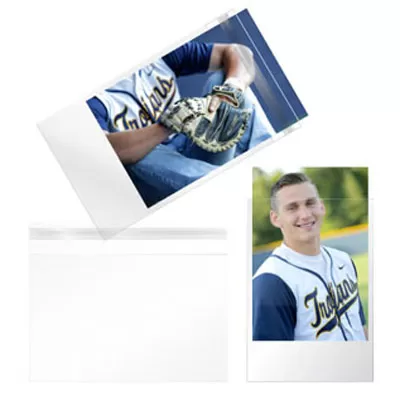
Artist Display Sleeves
Protect and package prints, drawings, and photography for display, storage, or sale.
Shop Artist Display Sleeves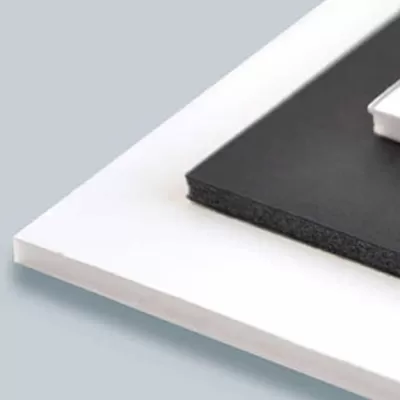
Backing Board
Support the artwork package and close the back of a compatible picture frame.
Shop Backing Board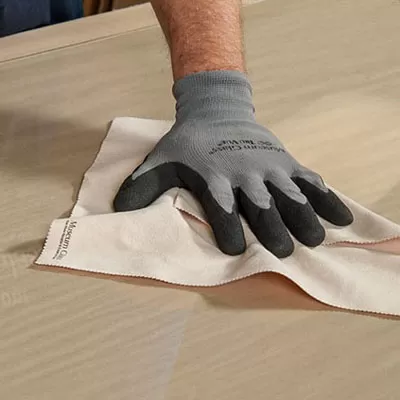
Glass & Acrylic
Compare glass and acrylic glazing choices for clarity, handling, and artwork protection.
Shop Glass & Acrylic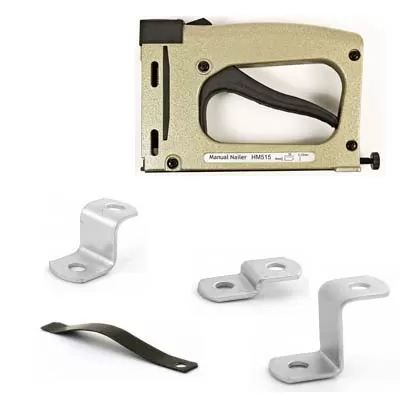
Art Securing Hardware
Secure artwork packages, canvas, or panels using hardware suited to the frame and project.
Shop Art Securing Hardware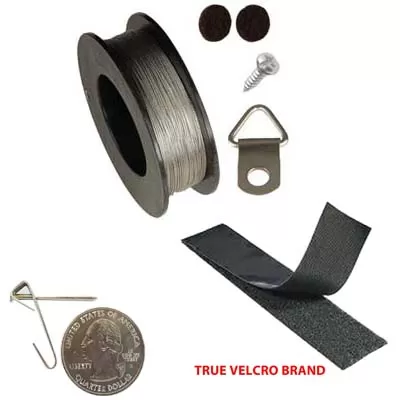
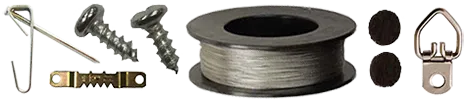
Hangers and Fasteners
Choose frame-side and wall-side hardware for the complete framed weight and wall type.
Shop Hangers and Fasteners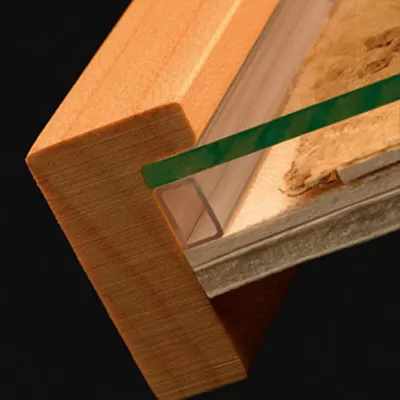
Glass Spacers
Create a measured airspace between artwork and glass or acrylic glazing.
Shop Glass Spacers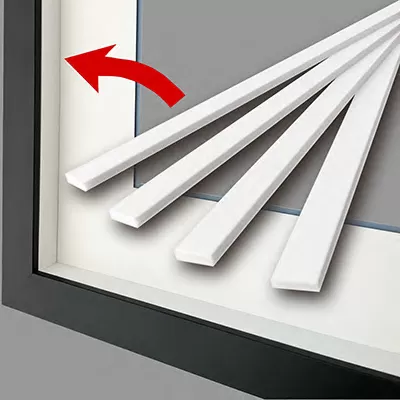
Shadow Box Walls
Build clean interior sides for compatible deep frames and dimensional displays.
Shop Shadow Box Walls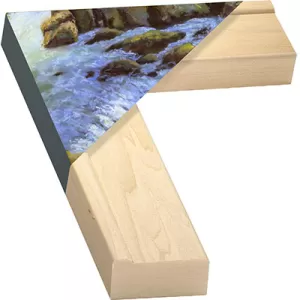
Canvas Stretcher Bars
Order a custom-size raw wood support for attaching and tensioning canvas.
Shop Canvas Stretcher Bars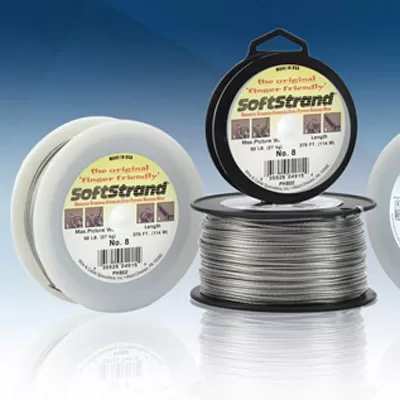
Picture Hanging Wire
Match picture hanging wire to compatible frame hardware and the complete framed weight.
Shop Picture Hanging Wire
Felt Bumpers
Add soft contact points to the lower back corners of a finished frame.
Shop Felt Bumpers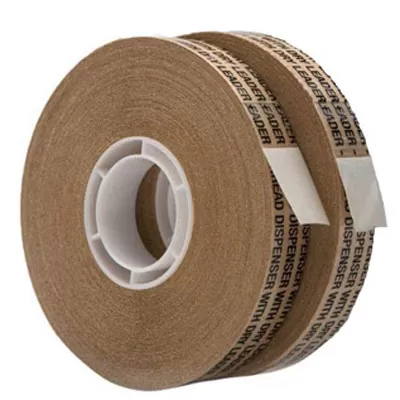
Picture Framing Tape
Compare hinging, backing, transfer, wrapping, and packing materials by their intended job.
Shop Picture Framing Tape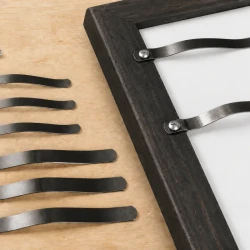
Framing Spring Clips
Press glazing, mats, artwork, and backing into compatible wood-frame rabbets.
Shop Framing Spring Clips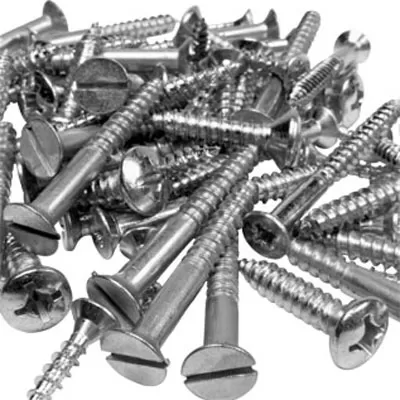
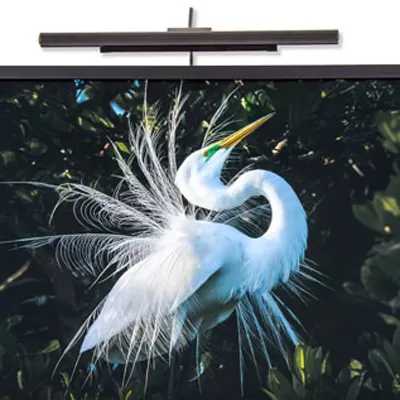
Picture Frame Lighting
Compare rechargeable and plug-in picture lights by controls, coverage, and finish.
Shop Picture Frame Lighting
Miscellaneous
Find cleaning, handling, backing-paper, touch-up, and fitting supplies.
Shop MiscellaneousChoose Supplies by the Framing Step
Picture framing supplies are not interchangeable. First identify whether you are building the artwork package, securing it in the frame, preparing the frame to hang, or finishing the back. Then match each component to the frame material, available space, and project requirements.
Build and protect the package
Choose glass or acrylic, backing board, and mats or spacers according to the artwork surface and the usable rabbet depth. Artwork that should not touch glazing needs suitable separation.
Secure the package in the frame
Points, spring clips, and offset clips solve different fitting problems. Select art securing hardware from the way the package sits in relation to the frame back. Screws used with clips belong only in solid frame wood.
Hang and finish the frame
Base hanging decisions on the complete framed weight, not the artwork alone. The safe system depends on compatible frame-side hardware, wire when used, wall-side hardware, fasteners, and wall construction. Add bumpers only after the fitting and hanging hardware are complete.
Plan the Complete Frame Before Ordering
A component can physically fit and still be inappropriate for the artwork or installation. Measure the complete package, distinguish the frame rabbet from the visible opening, and verify the intended use of tapes, cleaners, mounting materials, and hardware. These guides cover the decisions that most often affect supply selection.
Check package thickness
Total the glazing, mats or spacers, artwork, mounting, and backing. Compare that measurement with the usable frame depth before selecting fitting hardware.
Follow the fitting sequence
Install each layer in the correct order and keep fasteners out of the artwork package. The fitting guide explains glazing, mats, artwork, backing, securing hardware, hanging hardware, and bumpers.
Choose glazing separately
Glass and acrylic differ in weight, break resistance, handling, and available protective features. Choose the glazing before finalizing spacers, backing, and fitting hardware.
Picture Framing Supplies FAQ
What picture framing supplies do I need to finish a frame?
The required supplies depend on the frame and artwork package. A typical fitted frame may use glazing, mats or spacers, artwork, backing, securing hardware, hanging hardware, and bumpers. Confirm the usable rabbet depth and the complete framed weight before choosing components.
What is the difference between art securing hardware and hanging hardware?
Art securing hardware keeps the artwork package or canvas connected to the frame. Hanging hardware connects the finished frame to a compatible wall support. These are separate jobs, and both must suit the frame construction and project.
How do I choose screws for picture frame hardware?
Match the screw gauge and length to the hardware hole and the solid wood available behind it. A screw must hold securely without reaching the frame face. Screws belong only in frame wood and must never enter artwork, canvas, mats, glazing, or backing.
Should artwork touch glass or acrylic glazing?
Artwork surfaces that should not contact glazing need separation from mats, spacers, or another method appropriate for the work. Confirm the total thickness of glazing, separation, artwork, mounting, and backing against the frame's usable rabbet depth.
Where can I find help assembling and fitting a picture frame?
Use the WebPictureFrames.com framing guides for measuring, glazing selection, rabbet-depth planning, wood-frame fitting, metal-frame assembly, and canvas or panel installation. Contact the framing team when an unusual surface, depth, weight, or mounting method needs project-specific guidance.
Made in the USA
Handcrafted by American framing experts
Family Owned
Serving customers for over 40 years
Premium Shipping
Professionally packaged for safe delivery
Ready to Hang
Hardware included with all frames
Framing Specialists
Over 40 years of custom framing experience