
Ok

Ok

What is the question
Cancel
PICTURE FRAMES
 CUSTOM PICTURE FRAMES
CUSTOM PICTURE FRAMES
Design Your Framing Package Online!
Add Mats, Glass & Acrylic, Mounting Board And More.




Search
☰

My Account
Log In
Favorites
Saved Designs
Shopping Cart
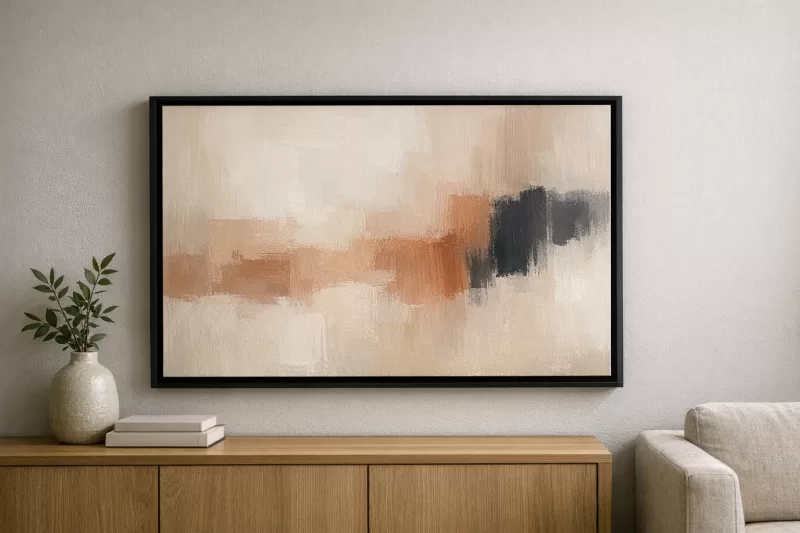
Floating Frames for Art Panels
Shop custom floater frames for canvas boards, wood panels, Ampersand panels, and other rigid artwork up to 3/8 inch deep. These shallow profiles create a clean, user-selected reveal without covering the artwork's front edges and can also hold compatible thin canvas artwork.
Need help choosing? Read the complete floater frame guide .
Filters
reset filters
SKU

Frame Colors
Frame Styles
Rabbet Depth
Frame Width
Frame Height
Manufacturers
12 Results
Sort:
Showing Prices For
9 x 12
Picture Frames
Enter your artwork size for exact pricing.
Artwork Width
Enter the Artwork exact width
Artwork Height
Enter the Artwork exact height
Enter the exact width and height of the artwork or picture you wish to frame; do not add extra space. We automatically add the industry-standard 1/8-inch allowance so your glass or canvas has room inside the frame for expansion and contraction.
View 9 x 12 Prices
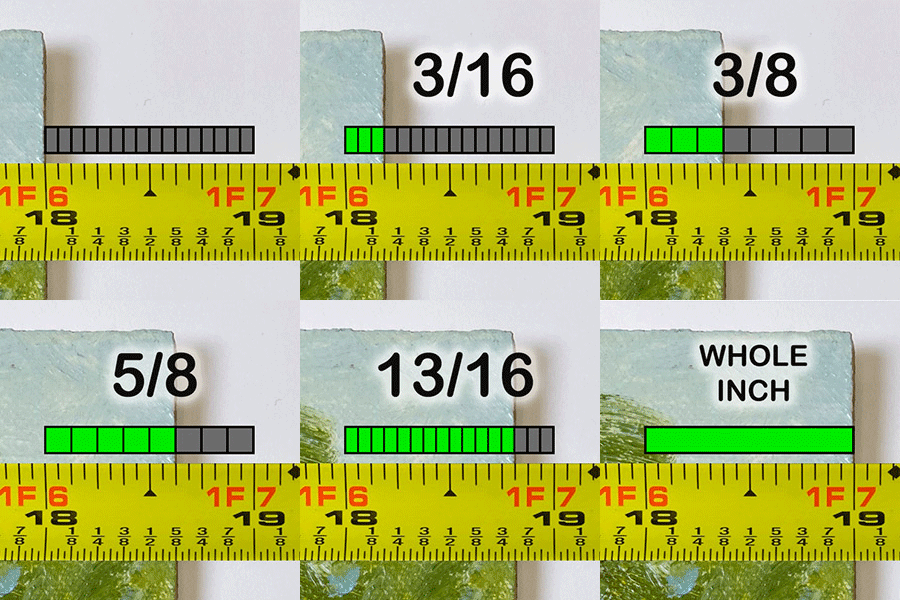
How to read your tape measure
V3983
$37.11
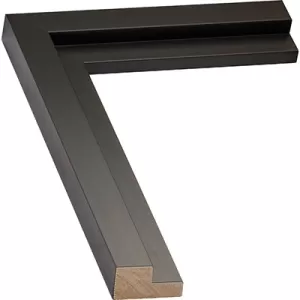
Supports artwork up to 3/8'' deep
Width: 7/8 |
Frame Depth : 3/8
A smooth black panel frame with a crisp, wide-face presentation for shallow artwork.
V3975
$37.11
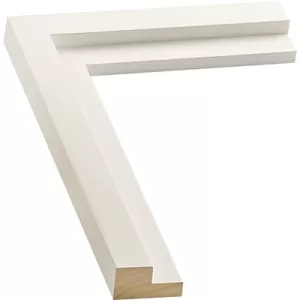
Supports artwork up to 3/8'' deep
Width: 7/8 |
Frame Depth : 3/8
A minimalist white panel frame with a wide face and smooth, contemporary finish character.
V3988
$40.46
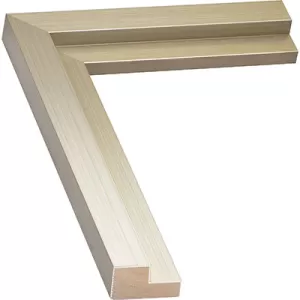
Supports artwork up to 3/8'' deep
Width: 7/8 |
Frame Depth : 3/8
A contemporary silver panel frame with a cool metallic look and balanced wide-face presence.
V3989
$40.46
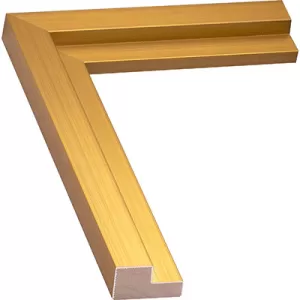
Supports artwork up to 3/8'' deep
Width: 7/8 |
Frame Depth : 3/8
A warm gold panel frame with a substantial face and statement-making metallic appearance.
V3974
$33.72
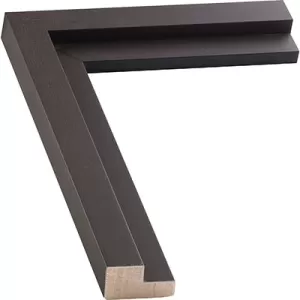
Supports artwork up to 3/8'' deep
Width: 7/8 |
Frame Depth : 3/8
A dark espresso-brown panel frame with a smooth appearance and compact listed complete molding width.
V3961
$37.11
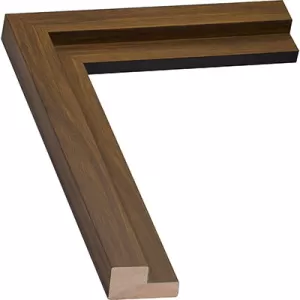
Supports artwork up to 3/8'' deep
Width: 7/8 |
Frame Depth : 3/8
A substantial panel frame with a warm dark-brown walnut-look finish.
V3964
$37.11
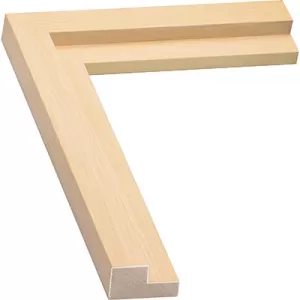
Supports artwork up to 3/8'' deep
Width: 7/8 |
Frame Depth : 3/8
A light natural-looking panel frame with pale grain character and a substantial visible face.
V3973
$37.11
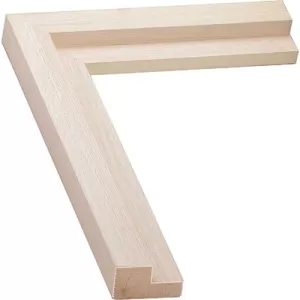
Supports artwork up to 3/8'' deep
Width: 7/8 |
Frame Depth : 3/8
A casual whitewash panel frame that combines a pale finish with balanced wide-face proportions.
V3960
$37.11
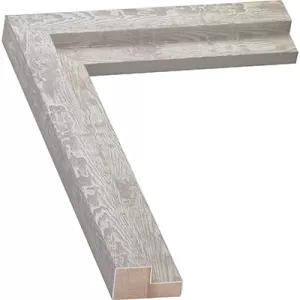
Supports artwork up to 3/8'' deep
Width: 7/8 |
Frame Depth : 3/8
A wide-face panel frame with an aged weathered-white finish and balanced visual weight.
V3953
$37.11
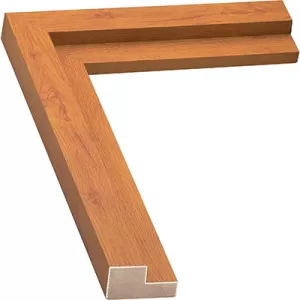
Supports artwork up to 3/8'' deep
Width: 7/8 |
Frame Depth : 3/8
A shallow panel frame combining a substantial face with a warm cherry-look red-brown appearance.
V3971
$37.11
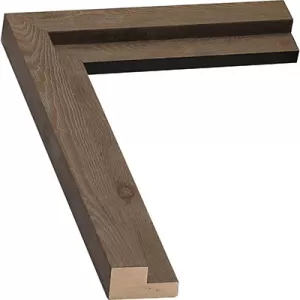
Supports artwork up to 3/8'' deep
Width: 7/8 |
Frame Depth : 3/8
A versatile gray panel frame with balanced visual weight and a substantial visible face.
V3972
$37.11
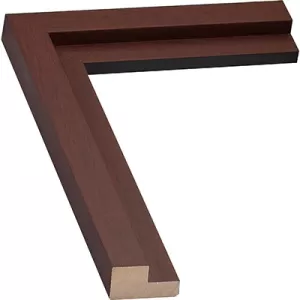
Supports artwork up to 3/8'' deep
Width: 7/8 |
Frame Depth : 3/8
A wide-face panel frame with dark red-brown color and pronounced warm grain character.
Custom Floater Frames for Art Panels and Canvas Boards
Panel floater frames create a visible gap between the artwork and frame without covering the artwork's front edges. This reveal gives canvas boards, wood panels, hardboard panels, and other rigid artwork a clean, contemporary presentation while keeping the entire image visible.
The profiles in this collection support artwork up to 3/8 inch deep. They are especially well suited to thin panels, but they can also hold compatible thin canvas artwork. The terms panel floater and canvas floater describe common applications rather than absolute restrictions.
What Artwork Fits These Panel Floater Frames?
| Artwork type | Compatibility | What to check |
|---|---|---|
| Canvas board | Well suited to these shallow floater profiles when the board is no more than 3/8 inch deep. | Measure the complete board thickness and use a mounting method that cannot penetrate the artwork. |
| Wood or hardboard panel | Compatible when the finished panel, coating, and any raised backing remain within the supported depth. | Check for warping, raised hardware, or an uneven back before ordering. |
| Ampersand or prepared art panel | Commonly used in panel floater frames when its exact depth is compatible. | Measure the actual panel rather than relying only on the manufacturer's nominal thickness. |
| Thin cradled panel | Compatible only when the full cradle construction is no more than the frame's supported artwork depth. | Measure the complete cradle and confirm a safe attachment point. |
| Thin canvas artwork | These panel profiles can hold compatible canvas artwork up to 3/8 inch deep. | Confirm that the canvas construction provides a safe mounting method. |
Compatibility is determined by construction and depth. Do not choose a frame using the words canvas or panel alone. Compare the artwork's exact dimensions, depth, desired reveal, and mounting requirements with the individual product.
Enter the Exact Artwork Size
- Measure the exact outside width of the artwork in more than one place.
- Measure the exact outside height in more than one place.
- Measure the artwork at its deepest point, including raised backing, coatings, or hardware.
- Check whether the panel is square, flat, and consistent in size.
Enter the exact artwork width and height in the sizing wizard. Do not add the Floater Reveal or another allowance to those measurements.
Select the Floater Reveal Separately
The Floater Reveal is the visible gap between each artwork edge and the inside wall of the frame. A 1/4-inch reveal means a 1/4-inch gap at the left, right, top, and bottom.
Select the desired Floater Reveal independently during the design process. The designer adds the selected gap around the exact artwork dimensions and calculates the required frame opening.
Narrow reveal
Creates a compact, understated shadow line. It works best with square, consistently sized artwork and clean panel edges.
Balanced reveal
Provides clear separation without allowing the gap to dominate the panel or frame.
Wide reveal
Makes the floating effect more pronounced and gives irregular or expressive panel edges additional visual space.
Do not add the reveal to the artwork size. Enter the panel's exact width and height, then choose the reveal separately in the designer.
How Is a Thin Art Panel Mounted?
Thin panels and canvas boards may not provide enough depth for mounting screws. A screw driven through a shallow panel could damage the artwork or emerge through its front surface.
A suitable double-sided mounting tape is commonly used on the frame's mounting ledge for thin panels. Position the artwork carefully and confirm that the reveal is even before applying firm pressure.
A thin cradled panel or compatible canvas may accept screws when its wooden construction provides adequate attachment depth. Always verify the effective screw penetration before drilling.
Adhesives are not universally appropriate. Consider the artwork's material, surface, value, weight, and future removal needs. Consult a qualified conservator or framing professional before attaching valuable or conservation-sensitive artwork with adhesive.
Choose the Frame Color and Profile
- Black: creates strong contrast and a clean gallery presentation.
- White: keeps the presentation visually light and works well in minimal interiors.
- Natural wood and wood tones: add warmth and coordinate with furniture, flooring, or colors in the artwork.
- Gold or silver: adds a polished accent while preserving the contemporary floater-frame construction.
- Wider face width: gives the frame more visual weight.
A frame sample can help you compare color, grain, sheen, and texture under the lighting where the finished artwork will hang.
Common Panel Floater Frame Ordering Mistakes
- Adding the selected Floater Reveal to the artwork dimensions.
- Relying on a nominal panel size instead of measuring the actual art.
- Forgetting to measure raised backing, coatings, or hardware.
- Ordering artwork deeper than the supported 3/8-inch maximum.
- Assuming a panel is perfectly square or completely flat.
- Using a screw that could penetrate a shallow panel.
- Choosing a mounting adhesive without considering future removal.
- Assuming a frame is incompatible solely because it is labeled for canvas or panels.
Floater Frame Selection and Installation Help
Read our complete guide to choosing a floater frame for help measuring artwork, selecting a per-side reveal, comparing supported depth, and choosing a frame finish.
When your frame arrives, follow our video-driven guide explaining how to install canvas or an art panel in a floater frame .
You can also compare the broader selection of canvas and compatible panel floater frames when your artwork requires a deeper profile.
Custom Framing Experience
WebPictureFrames.com is a family-owned picture-framing company with more than 40 years of experience. Our framing specialists help artists, galleries, photographers, and homeowners select custom frames and mounting methods for canvas boards, wood panels, stretched canvas, and other artwork.
Contact us before ordering if the artwork is unusually heavy, warped, substantially out of square, conservation-sensitive, or close to the maximum supported depth.
Frequently Asked Questions About Panel Floater Frames
What artwork fits these panel floater frames?
These profiles support canvas boards, wood panels, hardboard panels, Ampersand panels, and other compatible rigid artwork up to 3/8 inch deep. They can also hold compatible thin canvas artwork.
What size panel floater frame should I order?
Enter the exact outside width and height of the artwork. Do not add the reveal or another allowance. Select the Floater Reveal independently during the design process.
Can a panel floater frame hold canvas artwork?
Yes. These panel floater profiles can hold compatible canvas artwork when its complete depth is no more than 3/8 inch and its construction permits a safe mounting method.
Can a canvas floater frame hold an art panel?
Many canvas floater frames can hold compatible panels. Compare the panel depth, desired position, and mounting method with the individual product rather than relying only on its canvas label.
How is a thin panel attached to a floater frame?
A suitable double-sided mounting tape is commonly used because a screw could penetrate a thin panel. The correct method depends on the artwork's material, weight, value, and future removal needs.
Do panel floater frames cover the artwork edges?
No. A floater frame leaves the front edges visible and creates a selected reveal between the artwork and the inside wall of the frame.
Need help confirming compatibility? Contact our framing specialists with the artwork's exact width, height, depth, construction, and weight.
Made in the USA
Handcrafted by American framing experts
Family Owned
Serving customers for over 40 years
Premium Shipping
Professionally packaged for safe delivery
Ready to Hang
Hardware included with all frames
Framing Specialists
Over 40 years of custom framing experience