
Ok

Ok

What is the question
Cancel
PICTURE FRAMES
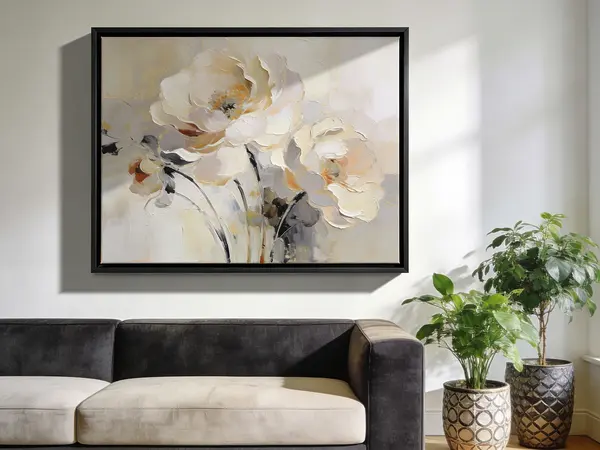 CUSTOM PICTURE FRAMES
CUSTOM PICTURE FRAMES
Design Your Framing Package Online!
Add Mats, Glass & Acrylic, Mounting Board And More.




Search
☰

My Account
Log In
Favorites
Saved Designs
Shopping Cart

Custom Economy Picture Mats
Frame replaceable artwork affordably with custom economy picture mats cut to size. Choose a decorative mat color, then specify the outside dimensions and opening needed for your artwork and frame.
Shop for Your Primary/Top Mat Color
Choose an economy mat color to begin an attractive, budget-conscious design. It will initially appear as the primary/top mat surrounding your artwork.
Shop the economy mats below and select a color that complements your artwork.
Use it alone or as the primary/top layer of a double or triple mat.
Add narrow inner accent mats to repeat a color from the artwork, create contrast, or connect the design to the frame.
Your selection is only a starting point. You can change the primary/top mat, colors, dimensions, borders, and layers using our Custom Mat Designer.
Filters
reset filters
SKU

Color Sets
Mat Styles
Material
12 Results
Sort:









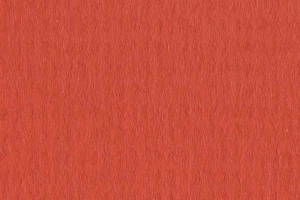


Affordable Picture Mats Cut to Your Dimensions
Economy picture mats provide a finished border around artwork at a lower material cost than archival or museum board. They are a practical choice for replaceable posters and prints, children's artwork, crafts, school projects, seasonal decor, temporary exhibits, and other decorative displays where long-term preservation is not required.
Each mat is cut to the dimensions selected during ordering. You control the outside size that fits the frame and the opening that determines how much of the artwork remains visible. Single, double, and triple mat designs let you create a simple border or add narrow inner accent colors while keeping the project economical.
Budget-Friendly Material
Decorative paper mat board keeps material cost lower, making it useful for casual framing, short-term projects, high-volume displays, and artwork that can easily be replaced.
Familiar Mat Presentation
The beveled opening creates the traditional picture-mat appearance and provides visual separation between the artwork and frame.
Decorative Color Choices
Choose a quiet neutral or coordinate the mat with a color in the artwork, frame, room, event, school, or seasonal display. Order samples when the exact shade matters.
When Economy Mat Board Is the Right Choice
Economy mat board makes sense when the artwork is replaceable and the framing project does not justify the added cost of conservation-quality material. It can give posters, inexpensive prints, craft projects, classroom work, promotional graphics, and short-term displays a complete framed appearance without paying for preservation features the project does not need.
The tradeoff is material quality. Economy board is not acid free and is not intended to support long-term artwork preservation. Because a mat sits close to the artwork and commonly overlaps its edges, use archival or museum board when the piece is original, valuable, historic, signed, sentimental, irreplaceable, or otherwise important to preserve.
Best suited for: replaceable posters and prints, children's art, crafts, school projects, certificates intended for short-term display, seasonal decor, event signage, temporary exhibits, and other budget-sensitive decorative framing.
Economy Mat Board Compared with Archival and Museum Mats
Choose the mat material according to the artwork's value, replaceability, expected display life, and preservation needs. Economy board lowers the cost of decorative framing; archival and museum boards are the appropriate choices when material stability and long-term care matter.
| Mat type | Best use | Primary advantage | Important consideration |
|---|---|---|---|
| Economy | Replaceable posters, crafts, school projects, seasonal decor, and temporary displays | Lowest material cost for decorative framing | Not acid free and not intended for conservation or preservation framing |
| Archival | Photographs, prints, documents, and artwork you want to preserve | Acid-free, conservation-quality construction with a broad color selection | Costs more than economy board but is the better general-purpose preservation choice |
| Museum | Rare, original, valuable, historic, or irreplaceable artwork | 100% cotton construction and the highest preservation tier in our mat selection | Highest material cost and a smaller neutral color range |
How to Size a Custom Economy Mat
A correctly sized mat must fit both the artwork and the frame. Treat the outside dimensions and opening dimensions as two separate measurements.
- Measure the artwork. Record its exact width and height, and identify any signature, border, deckled edge, text, or image detail that must remain visible.
- Choose the opening. The opening is normally slightly smaller than the artwork so the mat overlaps the edges. Base it on the visible image area rather than assuming it should equal the paper size.
- Determine the outside size. The mat's outside dimensions should fit the frame opening. Use the stated frame size or measure an existing mat that already fits.
- Review the borders. Confirm that the resulting top, side, and bottom borders create the intended visual balance. A slightly wider bottom border can compensate for optical weight when desired.
- Confirm frame depth. Make sure the frame can accommodate the economy mat, artwork, glazing, mounting materials, and backing. Double and triple mats require more interior depth than a single mat.
Do not make the mat opening exactly the same size as the artwork unless exposed paper edges are intentional and the artwork will be supported by another method. A normal mat opening needs enough overlap to retain the art safely behind it.
Before ordering, see how to measure artwork for a custom picture mat for guidance on artwork dimensions, mat openings, and overlap.
Choosing an Economy Mat Color, Border, and Layers
Start with the Artwork
A neutral keeps attention on the image, while a color related to a secondary detail can make a casual print, poster, craft, or seasonal display feel more intentional.
Consider the Frame
Compare the mat, artwork, and molding together. The mat should create a useful transition rather than appearing disconnected from either the image or the frame finish.
Add Layers Carefully
A double or triple mat can add depth and narrow accent colors. Use extra layers deliberately, and confirm that the frame has enough interior depth for the complete package.
Screen colors are approximate. Whites and neutrals can have cool, warm, gray, or cream undertones, and stronger colors can shift under different lighting. Order a physical sample when precise coordination matters.
Economy Mat Guidance and Related Options
Use these resources to make a more informed mat choice or continue building the framing package.
Custom Economy Picture Mat FAQ
What is an economy picture mat?
An economy picture mat is an affordable decorative mat intended for replaceable artwork, posters, crafts, school projects, temporary displays, and other projects that do not require conservation-quality materials.
Are economy picture mats acid free?
No. Economy mat board is decorative paper mat board and is not intended for conservation or preservation framing. Choose archival or museum mat board for valuable, original, historic, irreplaceable, or preservation-sensitive artwork.
When should I choose an economy mat?
Choose an economy mat when keeping the project affordable matters more than long-term preservation. It is well suited to replaceable posters and prints, children's art, crafts, school projects, seasonal decor, temporary displays, and high-volume decorative framing.
When should I not use an economy mat?
Do not use economy mat board for original, valuable, rare, historic, signed, sentimental, or irreplaceable artwork, or for any piece where preservation is important. Use an archival or museum mat instead.
Can economy mats be ordered as double or triple mats?
Yes. Compatible economy mats can be combined in single, double, or triple designs. Narrow inner layers can repeat a color from the artwork or create contrast while keeping the overall project affordable.
How do I determine the opening size for my picture mat?
The mat opening is normally made slightly smaller than the artwork so the mat overlaps its edges and keeps it from falling through the opening. Measure the area you want visible and account for signatures, borders, or important details near the edges before ordering.
How do I determine the outside size of the mat?
The outside dimensions of the mat should fit the inside of the picture frame. When replacing an existing mat, measure that mat. For a new framing project, use the frame size rather than the outside dimensions of the frame molding.
Does an economy mat create space between artwork and glazing?
A properly designed mat can help keep most of the artwork surface from resting directly against the glazing, but an economy mat should not be treated as a preservation material. The complete frame package and mounting method also affect spacing and support.
Should I order an economy mat sample before choosing a color?
A physical sample is recommended when color matching matters. Screens and room lighting can change how colors appear, especially whites, creams, grays, and muted shades.
Made in the USA
Handcrafted by American framing experts
Family Owned
Serving customers for over 40 years
Premium Shipping
Professionally packaged for safe delivery
Ready to Hang
Hardware included with all frames
Framing Specialists
Over 40 years of custom framing experience