
Ok

Ok

What is the question
Cancel
PICTURE FRAMES
 CUSTOM PICTURE FRAMES
CUSTOM PICTURE FRAMES
Design Your Framing Package Online!
Add Mats, Glass & Acrylic, Mounting Board And More.



Search
☰

My Account
Log In
Favorites
Saved Designs
Shopping Cart
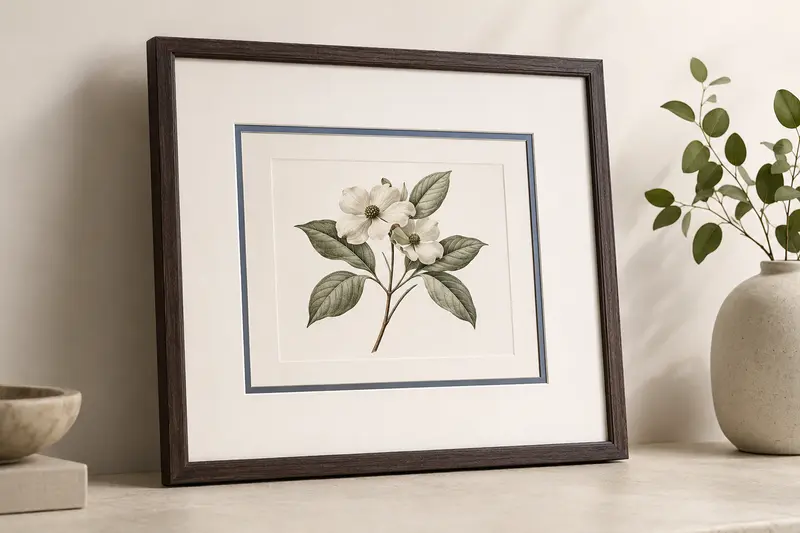
Custom Archival Picture Mats
Protect and present artwork with custom archival picture mats cut to size. Compare standard 4-ply, deep-bevel 8-ply, fabric, black core, metallic, and museum-quality mat board, then specify the outside dimensions and opening needed for your artwork and frame.
Shop for Your Primary/Top Mat Color
Choose an archival color to begin your design. It will initially appear as the primary/top mat - the widest and most visible layer around your artwork.
Shop the archival mats below and select a color that complements your artwork.
Use it alone or as the primary/top layer of a double or triple mat.
Add narrow inner accent mats to repeat a color from the artwork, create contrast, or connect the design to the frame.
Your selection is only a starting point. You can change the primary/top mat, colors, dimensions, borders, and layers using our Custom Mat Designer.
Filters
reset filters
SKU

Color Sets
Mat Styles
Material
239 Results
Sort:



9504
Archival
from $7.05
White Lie

Warm white nearly identical color to 9804 Pure White, but features a speckled surface.
9506
Archival
from $7.05
Egg White

Warm white perhaps a hint more yellow than actual egg whites.

9505
Archival
from $7.05
White Wash

Warm white neutral, soft alternative to our brighter 9500 White Glove.
9501
Archival
from $7.05
White Collar

Nearly identical to 9802 White Art but a different surface texture.

9805
Archival
from $7.05
Coconut Milk

Darker white relative to this grouping, but still translates as a neutral white.
WTBlkCore
Archival Black Core
from $8.81
White mat black core

White mat black core. This is one of only 2 mats with black core on our site.
9801
Archival
from $7.05
Chalk

Similar to 9613 Super White, but with a hint of beige and slightly textured.



9800
Archival
from $7.05
Bakers White

Cool white slightly textured neutral white great for cool color palettes.






rising_polar_white
Museum Rising
from $9.87
Rag Rising Polar White

Cotton Polar White Museum





9507
Archival
from $7.05
White Elephant

Creamy off white Similar to White Sands 9508 but lighter.

9616
Archival
from $7.05
Honey Wheat

Creamy off white yellow tone, very similar to 9807 Off White
9806
Archival
from $7.05
Dove

Creamy off white less yellow compared to others in this grouping; textured.
9508
Archival
from $7.05
White Sands

Creamy off white softer, less yellow, and lighter than 9616 Honey Wheat.
9615
Archival
from $7.05
Cream Puff

Creamy off white warm but not as yellow as other creamy off-whites.






5533
Fabric Tier 1
from $26.25
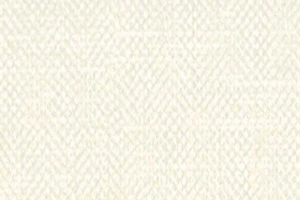
Vintage White Linen

Standard neutral off-white fabric mat with a fine weave




4840
Fabric Tier 2
from $35.62
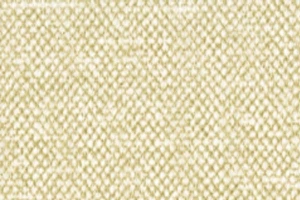
White Silken

Classic ivory fabric mat with slight grain pattern variation












5598
Archival
from $7.05
Etched Black

Black mat with a bit of gloss. Deepest black of all mats.




4855
Fabric Tier 2
from $35.62
New Moon Shantung Silk

Black fabric with blue undertones with a shimmering surface





BlkBlkcore
Archival Black Core
from $8.81
Black mat black core

Black mat black core. This is one of only 2 mats with black core on our site.



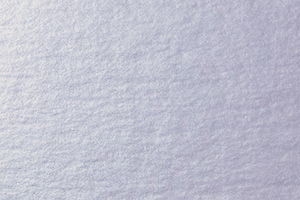


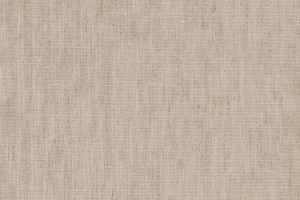
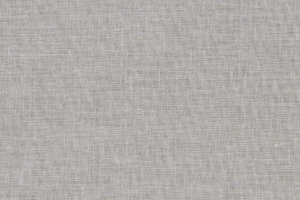


4423
Fabric Tier 2
from $35.62
Candlestick Tatami Silk

Contemporary silver gray fine silken mat

3516
Fabric Tier 1
from $26.25
River Rock Linen
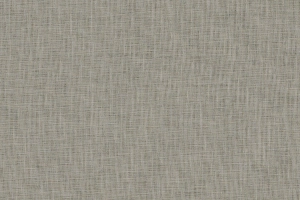
Light charcoal cross-hatch tweed over newsprint color
4461
Fabric Tier 2
from $35.62
Chinchilla Tatami Silk
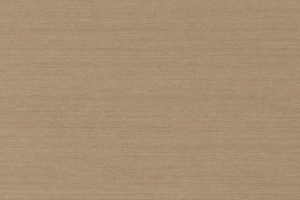
Taupe gray fabric that is more gray than pink fine dress-slack grain
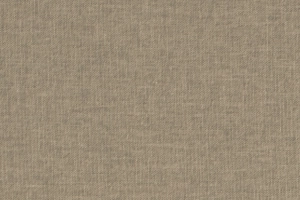

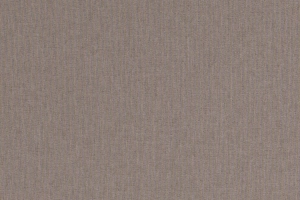
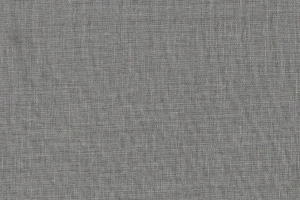


4417
Fabric Tier 2
from $35.62
Hibachi Tatami Silk

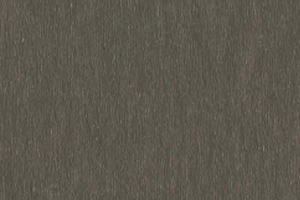
Dark slate gray on a soft fine fabric mat with a silky sheen





4843
Fabric Tier 2
from $35.62
Wheatfield Silken

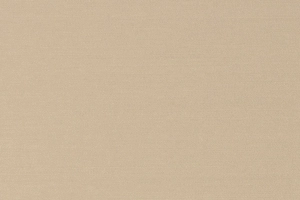
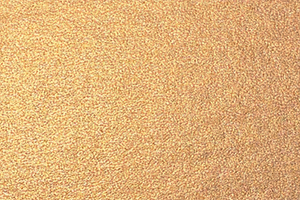
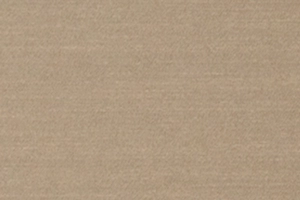
Graham cracker southwest adobe clay yellow-brown color




4848
Fabric Tier 2
from $35.62
Shiitake Silken
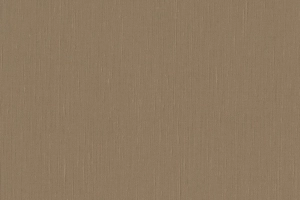
Warm elephant gray-brown taupe color on a high-sheen fabric







4126
Fabric Tier 1
from $26.25
Majestic Brown Linen
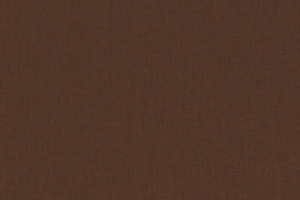
Full-city roast coffee bean brown on a fine weave
4854
Fabric Tier 2
from $35.62
Caffe Shantung Silk
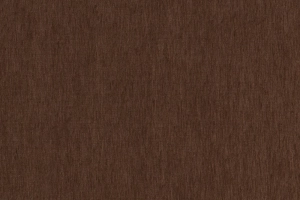
Warm coffee brown on a shimmering fine weave







4838
Fabric Tier 2
from $35.62
Dynasty Red Silken

Candy apple red like a cocktail cherry color




4179
Fabric Tier 2
from $35.62
Noel Suede

Rich and glamorous royal ruby red like Hollywood’s red carpet

4111
Fabric Tier 1
from $26.25
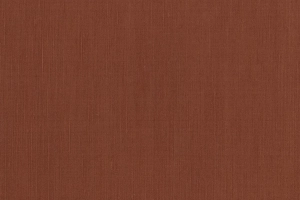
Scarlet Linen
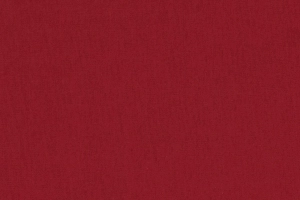
Bright blood red wine like a fresh wine spill on your shirt









4121
Fabric Tier 1
from $26.25
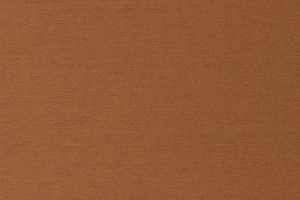
Orange Zest Linen

A shade darker than pumpkin orange or apricot jam







4410
Archival
from $7.05
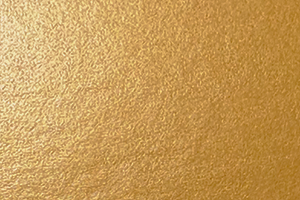
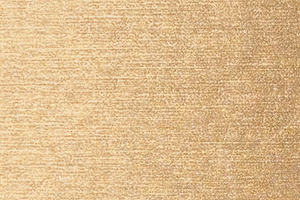
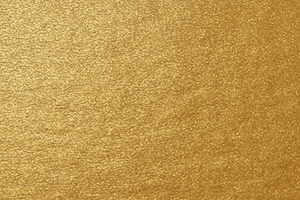
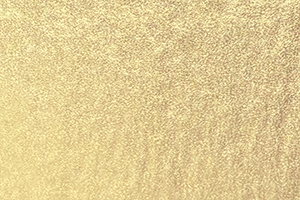
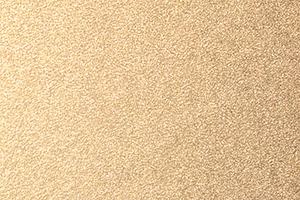
Golden Samurai

Golden Samurai – Shimmering gold silken fabric mat









4850
Fabric Tier 2
from $35.62
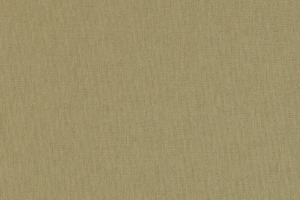
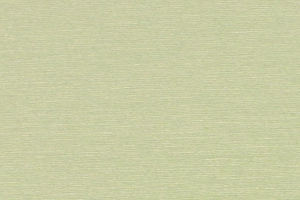
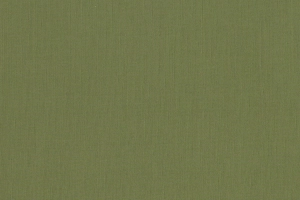
Wasabi Silken
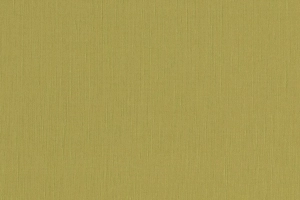
Blend of yellow lemon-lime and light avocado green tones on a shiny fabric


4418
Fabric Tier 2
from $35.62
Harmony Blue Tatami Silk

Aegean Sea mist color with a silvery sheen






















4457
Fabric Tier 2
from $35.62
Phantom Blue Tatami Silk
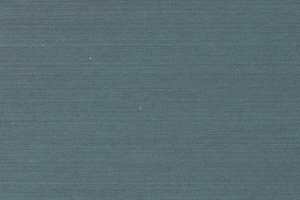
Dark teal blue silken mat that is more blue than green
4169
Fabric Tier 2
from $35.62
Lapis Suede

Dark teal blue suede mat that is more blue than green




4112
Fabric Tier 1
from $26.25
Watchet Blue Linen
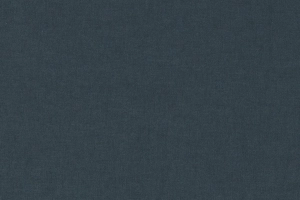
Union Army blue fabric mat with a fine weave






4853
Fabric Tier 2
from $35.62
Dolphin Shantung Silk
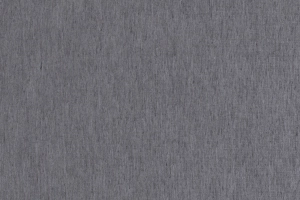
Granite steel blue-gray color on a metallic-sheen fabric
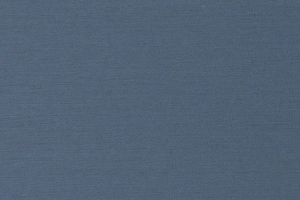







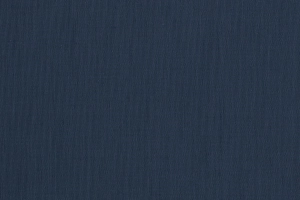










5636
Fabric Tier 1
from $26.25
Purple Torch Suede
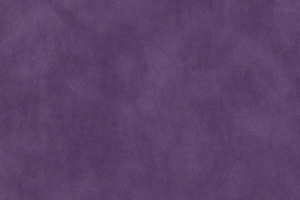
Violet mat that is like dark amethyst in tone



4459
Fabric Tier 2
from $35.62
Nightshade Tatami Silk
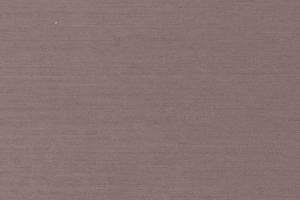
Purple taupe color on a soft fabric mat
4114
Fabric Tier 1
from $26.25
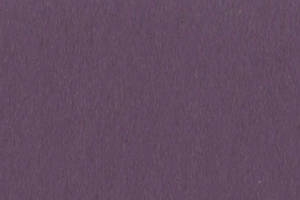
Enchanted Purple Linen

Fine weave dark indigo midnight blue
4454
Fabric Tier 2
from $35.62
Violetta Tatami Silk
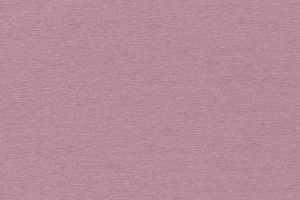
Mauve purple mid-tone silk with a fine weave
Archival Mat Board Options Cut to Your Dimensions
Archival picture mats provide a finished border around artwork while using conservation-quality or museum-quality board intended for preservation-minded framing. This collection includes standard 4-ply conservation mats, deep-bevel 8-ply mats, fabric-covered mats, black core mats, metallic mats, and museum mats.
Each mat is custom cut to the dimensions selected during ordering. You control the outside size that fits the frame and the opening that determines how much of the artwork remains visible. Single, double, and triple mat designs allow you to keep the presentation restrained or introduce texture, depth, a dark bevel, a metallic accent, or narrow inner colors.
4-Ply Archival Mats
Standard 4-ply conservation mat board is approximately 1/16 inch thick and offers the broadest selection of colors for photographs, prints, documents, and works on paper.
8-Ply Archival Mats
8-ply conservation mat board is approximately 1/8 inch thick. Its deeper bevel adds dimension and stronger visual separation around fine art and photography.
Fabric Archival Mats
Linen, suede, and silk surfaces add visible texture and a more tactile presentation while using archival board construction beneath the fabric.
Black Core Archival Mats
A black core remains visible along the beveled opening, creating a crisp dark outline suited to photography, graphic art, and contemporary framing.
Metallic Archival Mats
Metallic surfaces introduce a controlled reflective accent that can relate to metal frames, metallic media, or highlights within the artwork.
Museum Picture Mats
Museum mat board provides the highest preservation standard in this collection for valuable, original, historic, or irreplaceable artwork.
What Makes a Picture Mat Archival?
The word archival describes material selected to support the long-term care of artwork. In a picture mat, that means the board is made to reduce the risk that the mat itself will introduce damaging acids or other undesirable contaminants into the framed package. This matters because the mat sits close to the artwork and often overlaps its edges.
Archival matting is one part of a complete preservation approach. Appropriate mounting methods, backing, glazing, frame depth, environmental conditions, and protection from excessive light and moisture also affect the life of framed artwork. An archival mat should not be treated as a guarantee against fading, moisture damage, poor mounting, or environmental exposure.
Best suited for: photographs, art prints, limited editions, certificates, documents, drawings, watercolors, and other works on paper where conservation-quality materials are appropriate.
Compare Custom Archival Mat Types
Begin with the preservation needs of the artwork, then choose the thickness, surface, and core that support the design. Museum board raises the preservation standard; the other archival choices primarily change color range, bevel depth, texture, core color, or finish.
| Mat type | Best use | Visual or material advantage | Important consideration |
|---|---|---|---|
| 4-ply archival | Photographs, prints, documents, and everyday preservation framing | Familiar bevel depth with the widest color selection | The strongest general-purpose choice, but not the deepest bevel or highest preservation tier |
| 8-ply archival | Fine art and photography that benefit from added depth | Approximately twice the thickness of standard 4-ply, producing a deeper bevel | Requires more frame depth and is offered in fewer colors |
| Fabric | Textiles, portraits, traditional art, and designs needing surface texture | Linen, suede, or silk creates a tactile, refined presentation | Texture and undertone are best evaluated with a physical sample |
| Black core | Photography, graphic art, posters, and contemporary designs | The exposed black bevel creates strong edge definition | The dark line is intentionally visible and becomes part of the design |
| Metallic | Artwork with metallic details or framing that needs a reflective accent | A subtle metallic surface adds light and decorative emphasis | Reflectivity changes with lighting and is best judged from a sample |
| Museum | Rare, valuable, historic, original, or irreplaceable artwork | The highest preservation standard offered in this collection | Available in a smaller range of neutral colors |
How to Size a Custom Archival Mat
A correctly sized mat must fit both the artwork and the frame. Treat the outside dimensions and opening dimensions as two separate measurements.
- Measure the artwork. Record its exact width and height, and identify any signature, border, deckled edge, text, or image detail that must remain visible.
- Choose the opening. The opening is normally slightly smaller than the artwork so the mat overlaps the edges. Base it on the visible image area rather than assuming it should equal the paper size.
- Determine the outside size. The mat's outside dimensions should fit the frame opening. Use the stated frame size or measure an existing mat that already fits.
- Review the borders. Confirm that the resulting top, side, and bottom borders create the intended visual balance. A slightly wider bottom border can compensate for optical weight when desired.
- Confirm frame depth. Make sure the frame can accommodate the mat, artwork, glazing, mounting materials, and backing. Double and triple mats require more interior depth than a single mat.
Do not make the mat opening exactly the same size as the artwork unless exposed paper edges are intentional and the artwork will be supported by another method. A normal mat opening needs enough overlap to retain the art safely behind it.
Before ordering, see how to measure artwork for a custom picture mat for guidance on artwork dimensions, mat openings, and overlap.
Choosing Color, Borders, and Mat Layers
Start with the Artwork
A quiet neutral usually keeps attention on the image. A mat that relates to a secondary color can support the artwork without matching its dominant color too literally.
Consider the Frame
The mat creates visual space between the artwork and frame. Compare all three together so the mat does not appear disconnected from either the image or molding finish.
Add Layers Deliberately
A double or triple mat exposes narrow bands of inner colors. Use those layers as controlled accents rather than allowing them to compete with fine details in the artwork.
Screen colors are approximate. Whites and neutrals can have cool, warm, gray, or cream undertones that become more obvious beside the artwork. Order a physical sample when the precise relationship matters.
Archival Framing Guidance and Related Options
Use these resources to make a more informed mat choice or continue building the framing package.
Custom Archival Picture Mat FAQ
What is an archival picture mat?
An archival picture mat is made from conservation-quality materials selected to reduce the risk that the mat itself will contribute acids or other harmful contaminants to the framed artwork. It is a better choice than decorative paper mat board for photographs, prints, documents, and artwork you want to preserve.
Are these custom archival mats acid free?
Yes. The mats on this page are made with conservation-quality or museum-quality board intended for preservation-minded framing. Available choices include standard 4-ply, 8-ply, fabric-covered, black core, metallic, and museum mat board.
What is the difference between 4-ply and 8-ply archival mat board?
Standard 4-ply mat board is approximately 1/16 inch thick and works well for most framing. 8-ply mat board is approximately 1/8 inch thick and creates a deeper, more prominent bevel around the opening.
Are fabric, black core, and metallic mats archival?
The fabric, black core, and metallic choices included on this page use archival or conservation-quality board construction. Their visible surfaces and cores create different design effects, so choose among them according to both the artwork's preservation needs and the desired appearance.
When should I choose museum mat board?
Museum mat board is the highest preservation tier in this collection and is generally preferred for especially valuable, rare, historic, original, or irreplaceable artwork. Its color selection is more limited than standard 4-ply conservation mat board.
How do I determine the opening size for my picture mat?
The mat opening is normally made slightly smaller than the artwork so the mat overlaps its edges and keeps it from falling through the opening. Measure the area you want visible and account for signatures, borders, or important details near the edges before ordering.
How do I determine the outside size of the mat?
The outside dimensions of the mat should fit the inside of the picture frame. When replacing an existing mat, measure that mat. For a new framing project, use the frame size rather than the outside dimensions of the frame molding.
Can I order a double or triple archival mat?
Yes. Compatible archival mats can be combined into single, double, or triple designs. Inner mats can repeat a color in the artwork, add contrast, or create a narrow transition between the artwork and the top mat.
Should I order a mat sample before choosing a color?
A physical sample is recommended when color matching is important. Monitor settings and room lighting can affect how a color appears, especially with whites, creams, grays, and other subtle neutrals.
Made in the USA
Handcrafted by American framing experts
Family Owned
Serving customers for over 40 years
Premium Shipping
Professionally packaged for safe delivery
Ready to Hang
Hardware included with all frames
Framing Specialists
Over 40 years of custom framing experience