
Ok

Ok

What is the question
Cancel
PICTURE FRAMES
 CUSTOM PICTURE FRAMES
CUSTOM PICTURE FRAMES
Design Your Framing Package Online!
Add Mats, Glass & Acrylic, Mounting Board And More.




Search
☰

My Account
Log In
Favorites
Saved Designs
Shopping Cart
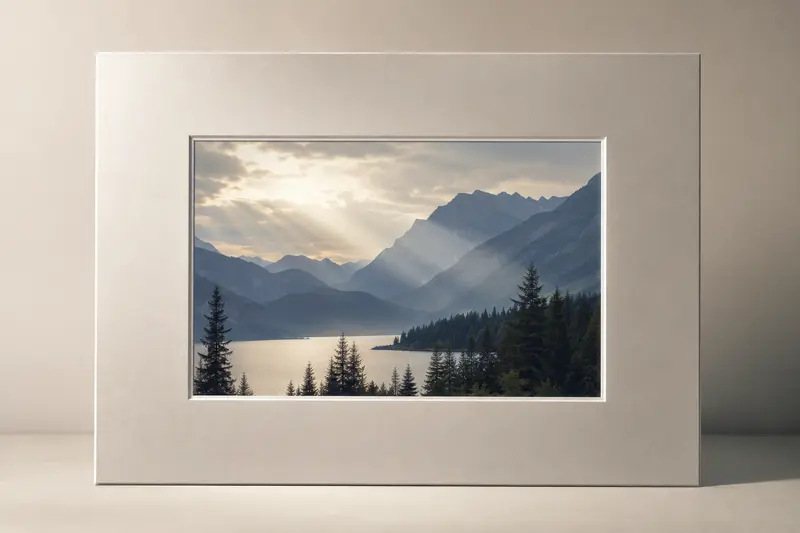
Custom Metallic Picture Mats
Add a controlled reflective accent with custom metallic picture mats cut to size. Choose a finish that relates to highlights in the artwork, the frame, or the room, then specify the outside dimensions and opening required for your project.
Shop for Your Primary/Top Mat Color
Choose a metallic mat to begin your design. It will initially appear as the primary/top mat, adding a controlled reflective finish that responds to room lighting.
Shop the metallic mats below and select a color that complements your artwork.
Use it alone or as the primary/top layer of a double or triple mat.
Add narrow inner accent mats to repeat a color from the artwork, create contrast, or connect the design to the frame.
Your selection is only a starting point. You can change the primary/top mat, colors, dimensions, borders, and layers using our Custom Mat Designer.
Filters
reset filters
SKU

Color Sets
Mat Styles
Material
9 Results
Sort:



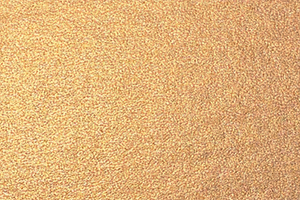
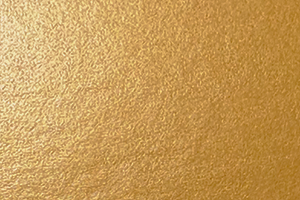

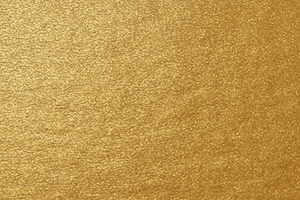

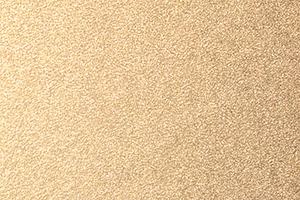
Metallic Picture Mats Cut to Your Dimensions
Metallic picture mats use reflective or pearlescent surface colors to introduce light, warmth, or a cool metal-like accent around artwork. Depending on the selected color, the finish may suggest silver, gold, bronze, copper, pewter, or pearl without appearing like a mirror.
Each mat is cut to the dimensions selected during ordering. You control the outside size that fits the frame and the opening that determines how much of the artwork remains visible. Because metallic surfaces respond to light and viewing angle, their effect can range from restrained to prominent within the finished design.
Light-Responsive Surface
The metallic finish changes subtly with viewing angle and illumination, adding depth and visual movement that a flat paper surface does not provide.
Acid-Free Board
These metallic mats use conservation-quality, acid-free board for preservation-minded framing while providing a decorative finish for photographs, prints, documents, and works on paper.
Warm and Cool Accents
Warm metallics can relate to gold, bronze, copper, or warm highlights; cooler metallics can coordinate with silver, pewter, stainless, gray, and blue-toned details.
Why Choose a Metallic Mat?
A metallic mat can repeat a metallic medium or highlight in the artwork, bridge the artwork to a metallic frame finish, or create a formal decorative accent. Its reflective surface can also add contrast to subdued artwork when a conventional matte color feels too quiet.
The strongest results usually come from treating metallic color as an accent rather than selecting it only because it is eye-catching. A broad metallic top mat creates a more decorative presentation, while a narrow metallic inner mat produces a controlled line of shimmer beneath a quieter top mat.
Best suited for: artwork with metallic ink or leaf, formal certificates, wedding and event photography, fashion and jewelry imagery, decorative prints, holiday art, contemporary graphics, and images containing luminous warm or cool highlights.
Broad Metallic Border or Metallic Accent?
The same metallic color can feel very different depending on its role in the mat design. Choose the arrangement according to how much reflectivity and decorative emphasis the artwork needs.
| Design approach | Appearance | Best use | Important consideration |
|---|---|---|---|
| Metallic top mat | A broad reflective border surrounding the artwork | Formal, decorative, celebratory, or intentionally dramatic presentations | The finish becomes a major part of the design and may change noticeably with room lighting |
| Metallic inner mat | A narrow band of metallic color beneath a matte top mat | Repeating a metallic detail or adding restrained shimmer near the image | The exposed band should be wide enough to read clearly without competing with the artwork |
| Matte archival mat | A quiet, nonreflective surface with a traditional appearance | Artwork that needs visual rest or should remain the sole focal point | A matte surface will not repeat the light-responsive character of metallic media or finishes |
How to Size a Custom Metallic Mat
A correctly sized mat must fit both the artwork and the frame. Treat the outside dimensions and opening dimensions as two separate measurements.
- Measure the artwork. Record its exact width and height, and identify any signature, border, text, or image detail that must remain visible.
- Choose the opening. The opening is normally slightly smaller than the artwork so the mat overlaps its edges. Base it on the visible image area rather than assuming it should equal the paper size.
- Determine the outside size. The mat's outside dimensions should fit the frame opening. Use the stated frame size or measure an existing mat that already fits.
- Review the borders. Confirm that the top, side, and bottom borders create the intended visual balance. A slightly wider bottom border can compensate for optical weight when desired.
- Confirm frame depth. Make sure the frame can accommodate the mat, artwork, glazing, mounting materials, and backing. Layered mats require more interior depth than a single mat.
The metallic surface does not change how the mat is measured. Enter the opening according to the portion of the artwork you want visible and the overlap needed to retain the artwork safely behind the mat.
Before ordering, see how to measure artwork for a custom picture mat for guidance on artwork dimensions, mat openings, and overlap.
Choosing Metallic Color, Frame, and Mat Layers
Relate the Finish to the Artwork
Look for warm or cool highlights, metallic media, jewelry, lettering, or luminous details. The finish is most successful when it supports something already present instead of becoming an unrelated effect.
Coordinate with the Frame
The metallic mat does not need to match the frame exactly. Related undertones usually feel more intentional than a near match that differs visibly in warmth, brightness, or sheen.
Use Layers Deliberately
In a double or triple mat, a narrow metallic layer can provide emphasis while a matte top mat supplies visual rest. Keep the number of accents controlled so they do not distract from fine details.
Screen images cannot accurately reproduce metallic reflection. Order a physical sample and view it beside the artwork and frame in lighting similar to the intended display location.
Metallic Mat Guidance and Related Options
Use these resources to compare mat materials, confirm color, or continue planning the framing package.
Custom Metallic Picture Mat FAQ
What is a metallic picture mat?
A metallic picture mat has a reflective or pearlescent decorative surface that responds to light. Metallic colors can add a silver, gold, bronze, copper, or pearl-like accent around artwork without using a metal frame.
What is the difference between metallic and standard picture mats?
A standard mat has a matte paper surface that remains visually consistent as lighting changes. A metallic mat reflects more light, so its color, brightness, and sheen can appear different depending on the viewing angle and room lighting.
Are these metallic mats acid free?
Yes. The metallic mats on this page use conservation-quality, acid-free mat board intended for preservation-minded framing. The metallic surface is a decorative finish applied to archival-quality board.
What artwork looks good with a metallic mat?
Metallic mats work well with artwork containing metallic ink, jewelry, formal typography, illuminated details, warm or cool highlights, and subjects where a controlled reflective accent supports the presentation.
Do metallic picture mats look shiny?
Metallic mats have a reflective or pearlescent sheen rather than a mirror-like surface. The amount of visible shimmer changes with the specific color, viewing angle, and light falling across the mat.
Can I use a metallic mat in a double or triple mat design?
Yes. A metallic mat can be used as the top mat or combined with compatible mats in a layered design. A narrow metallic inner mat is often an effective way to introduce sheen without surrounding the artwork with a broad reflective border.
How do I determine the opening size for my picture mat?
The opening is normally made slightly smaller than the artwork so the mat overlaps its edges and keeps it from falling through. Measure the area you want visible and account for signatures, borders, or important details near the edges.
How do I determine the outside size of the mat?
The outside dimensions should fit the inside of the picture frame. When replacing an existing mat, measure that mat. For a new project, use the frame size rather than the outside dimensions of the frame molding.
Should I order a metallic mat sample?
Yes. Metallic finishes are difficult to represent accurately on a monitor because their appearance changes with light and viewing angle. A physical sample lets you compare the actual color and sheen beside the artwork and frame.
Made in the USA
Handcrafted by American framing experts
Family Owned
Serving customers for over 40 years
Premium Shipping
Professionally packaged for safe delivery
Ready to Hang
Hardware included with all frames
Framing Specialists
Over 40 years of custom framing experience