
Ok

Ok

What is the question
Cancel
PICTURE FRAMES
 CUSTOM PICTURE FRAMES
CUSTOM PICTURE FRAMES
Design Your Framing Package Online!
Add Mats, Glass & Acrylic, Mounting Board And More.



Search
☰

My Account
Log In
Favorites
Saved Designs
Shopping Cart
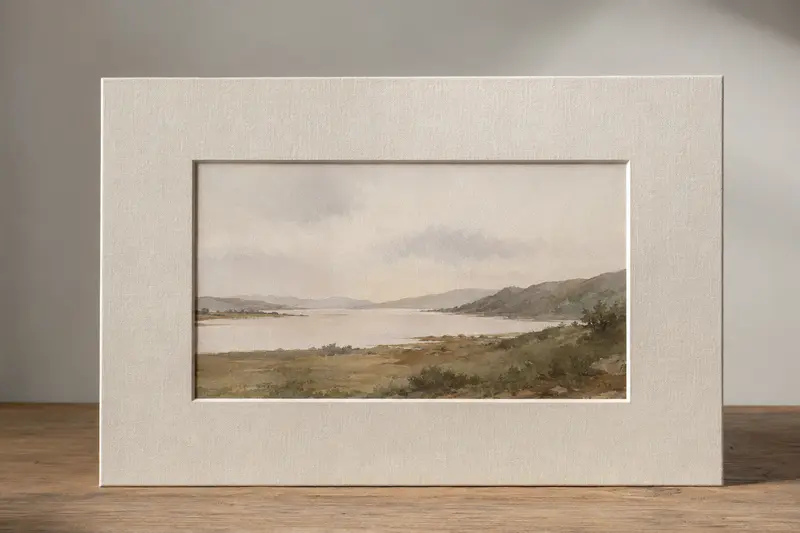
Custom Fabric Picture Mats
Give artwork a more tactile presentation with custom fabric picture mats cut to size. Compare linen, suede, and silk surfaces, then choose the color, outside dimensions, opening, and mat layers needed for your artwork and frame.
Shop for Your Primary/Top Mat Color
Choose a fabric-covered mat to begin your design. It will initially appear as the primary/top mat, adding visible weave, texture, and depth around the artwork.
Shop the fabric mats below and select a color that complements your artwork.
Use it alone or as the primary/top layer of a double or triple mat.
Add narrow inner accent mats to repeat a color from the artwork, create contrast, or connect the design to the frame.
Your selection is only a starting point. You can change the primary/top mat, colors, dimensions, borders, and layers using our Custom Mat Designer.
Filters
reset filters
SKU

Color Sets
Mat Styles
Material
58 Results
Sort:

5533
Fabric Tier 1
from $26.25
Vintage White Linen

Standard neutral off-white fabric mat with a fine weave

4840
Fabric Tier 2
from $35.62
White Silken

Classic ivory fabric mat with slight grain pattern variation

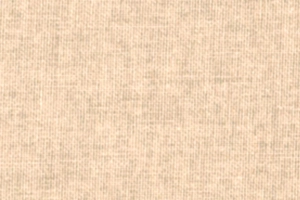

4855
Fabric Tier 2
from $35.62
New Moon Shantung Silk

Black fabric with blue undertones with a shimmering surface
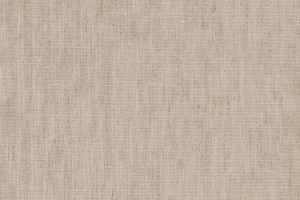
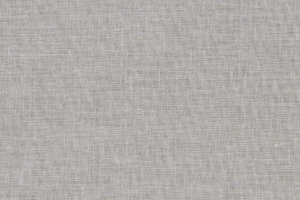
4423
Fabric Tier 2
from $35.62
Candlestick Tatami Silk

Contemporary silver gray fine silken mat
3516
Fabric Tier 1
from $26.25
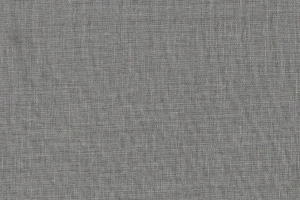
River Rock Linen
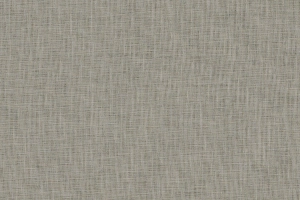
Light charcoal cross-hatch tweed over newsprint color
4461
Fabric Tier 2
from $35.62
Chinchilla Tatami Silk
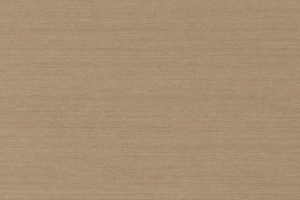
Taupe gray fabric that is more gray than pink fine dress-slack grain

4417
Fabric Tier 2
from $35.62
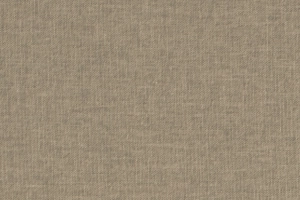
Hibachi Tatami Silk

Dark slate gray on a soft fine fabric mat with a silky sheen




4843
Fabric Tier 2
from $35.62
Wheatfield Silken

Graham cracker southwest adobe clay yellow-brown color

4848
Fabric Tier 2
from $35.62
Shiitake Silken
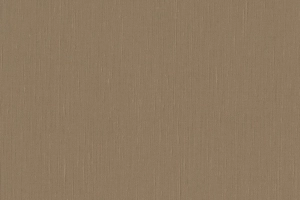
Warm elephant gray-brown taupe color on a high-sheen fabric
4126
Fabric Tier 1
from $26.25
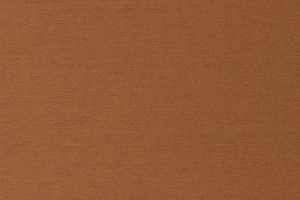
Majestic Brown Linen

Full-city roast coffee bean brown on a fine weave
4854
Fabric Tier 2
from $35.62
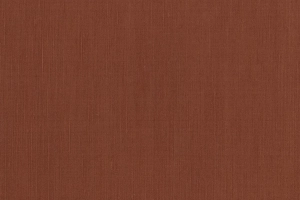
Caffe Shantung Silk

Warm coffee brown on a shimmering fine weave
4838
Fabric Tier 2
from $35.62
Dynasty Red Silken

Candy apple red like a cocktail cherry color

4179
Fabric Tier 2
from $35.62
Noel Suede

Rich and glamorous royal ruby red like Hollywood’s red carpet
4111
Fabric Tier 1
from $26.25
Scarlet Linen
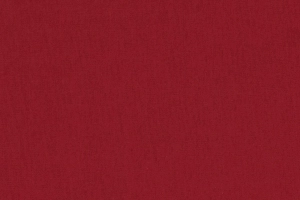
Bright blood red wine like a fresh wine spill on your shirt



4121
Fabric Tier 1
from $26.25
Orange Zest Linen

A shade darker than pumpkin orange or apricot jam


4850
Fabric Tier 2
from $35.62
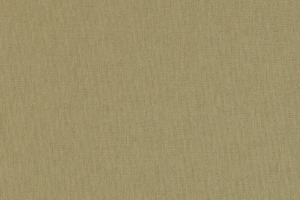
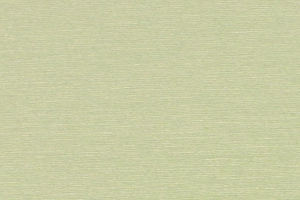
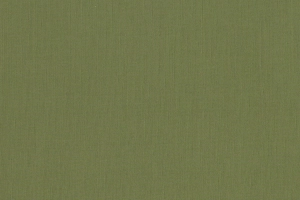
Wasabi Silken
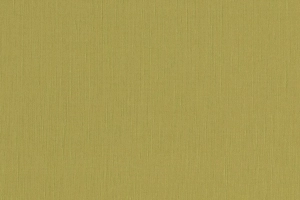
Blend of yellow lemon-lime and light avocado green tones on a shiny fabric
4418
Fabric Tier 2
from $35.62
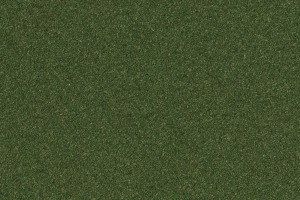
Harmony Blue Tatami Silk

Aegean Sea mist color with a silvery sheen


4457
Fabric Tier 2
from $35.62
Phantom Blue Tatami Silk
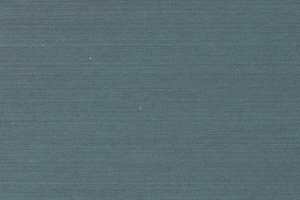
Dark teal blue silken mat that is more blue than green
4169
Fabric Tier 2
from $35.62
Lapis Suede

Dark teal blue suede mat that is more blue than green
4112
Fabric Tier 1
from $26.25
Watchet Blue Linen

Union Army blue fabric mat with a fine weave
4853
Fabric Tier 2
from $35.62
Dolphin Shantung Silk
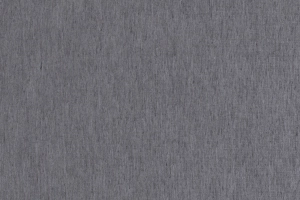
Granite steel blue-gray color on a metallic-sheen fabric




5636
Fabric Tier 1
from $26.25
Purple Torch Suede

Violet mat that is like dark amethyst in tone
4459
Fabric Tier 2
from $35.62
Nightshade Tatami Silk
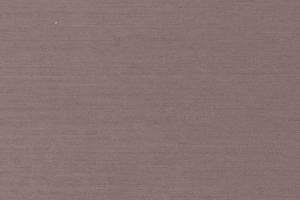
Purple taupe color on a soft fabric mat
4114
Fabric Tier 1
from $26.25
Enchanted Purple Linen

Fine weave dark indigo midnight blue
4454
Fabric Tier 2
from $35.62
Violetta Tatami Silk
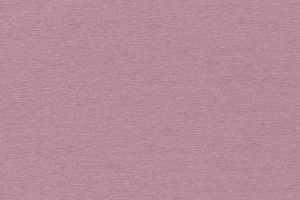
Mauve purple mid-tone silk with a fine weave
Fabric Picture Mats Cut to Your Dimensions
Fabric picture mats replace the familiar smooth paper surface with linen, suede, or silk. The textile finish adds texture, depth, and visual character while the rigid mat board and beveled opening provide a clean border around the artwork.
Each mat is cut to the dimensions selected during ordering. You control the outside size that fits the frame, the opening that determines how much artwork remains visible, and the number of mat layers. Fabric can form the entire visible border or serve as the top layer above a narrow contrasting inner mat.
Linen Picture Mats
A visible woven texture gives linen mats a natural, tailored appearance. Linen works well with portraits, landscapes, textiles, botanical art, certificates, and traditional or transitional frames.
Suede Picture Mats
A soft nap and low-sheen finish create warmth and depth. Suede can complement photography, portraits, memorabilia, wildlife art, and presentations that benefit from a rich, quiet surface.
Silk Picture Mats
A fine weave and gentle luster give silk mats a formal, decorative character. Silk is especially effective with Asian art, wedding portraits, calligraphy, elegant prints, and ornate frames.
Why Choose a Fabric Mat?
A smooth mat contributes color and spacing; a fabric mat also contributes physical surface character. Linen weave can echo canvas or handmade paper, suede can soften a high-contrast image, and silk can pick up light in a way that supports more formal artwork. The effect is usually richer and more tactile without requiring an ornate frame.
Fabric mats are most successful when their texture supports the artwork rather than competing with it. Fine, detailed artwork often pairs best with a restrained weave or quiet color. Larger or bolder work can support a more visible texture. The frame should also be considered: natural wood, refined gold, dark traditional finishes, and simple contemporary moldings can each lead to a different fabric choice.
Best suited for: portraits, photography, textiles, needlework, traditional art, Asian art, certificates, memorabilia, and any presentation where texture should be a deliberate part of the design.
Compare Linen, Suede, and Silk Mats
Choose the fabric by looking at its texture, reflectivity, color response, and relationship to the artwork and frame. These descriptions are useful starting points, but a physical sample provides the most reliable comparison.
| Fabric | Surface character | Often works well with | Important consideration |
|---|---|---|---|
| Linen | Visible woven fibers with a natural, tailored appearance | Landscapes, portraits, textiles, botanical art, and traditional presentations | The weave is an active part of the design and may appear stronger in lighter colors |
| Suede | Soft nap, low sheen, and a warm visual depth | Photography, portraits, memorabilia, wildlife art, and rich traditional framing | The nap can change apparent lightness or color when viewed from different directions |
| Silk | Fine texture with a subtle, light-responsive luster | Asian art, formal portraits, calligraphy, decorative prints, and elegant framing | Sheen changes with lighting, so screen images cannot fully represent the surface |
How to Size a Custom Fabric Mat
A correctly sized mat must fit both the artwork and the frame. Treat the outside dimensions and opening dimensions as two separate measurements.
- Measure the artwork. Record its exact width and height, and identify any signature, border, deckled edge, text, or image detail that must remain visible.
- Choose the opening. The opening is normally slightly smaller than the artwork so the mat overlaps the edges. Base it on the visible image area rather than assuming it should equal the paper size.
- Determine the outside size. The mat's outside dimensions should fit the frame opening. Use the stated frame size or measure an existing mat that already fits.
- Review the borders. Confirm that the resulting top, side, and bottom borders create the intended visual balance. A slightly wider bottom border can compensate for optical weight when desired.
- Confirm frame depth. Make sure the frame can accommodate the fabric mat, artwork, glazing, mounting materials, and backing. Double and triple mats require more interior depth than a single mat.
Do not make the mat opening exactly the same size as the artwork unless exposed paper edges are intentional and the artwork will be supported by another method. A normal mat opening needs enough overlap to retain the art safely behind it.
Before ordering, see how to measure artwork for a custom picture mat for guidance on artwork dimensions, mat openings, and overlap.
Choosing Fabric Color, Texture, and Mat Layers
Start with the Artwork
Begin with the artwork's mood, detail, and surface. A quiet neutral can keep attention on the image, while a related secondary color can connect the fabric to the artwork without matching its dominant color too literally.
Consider the Frame
Compare the fabric, artwork, and molding together. Linen often relates naturally to wood; suede can add depth beside dark or traditional finishes; silk can complement refined metallic or decorative frames.
Balance the Texture
Texture should be visible without overpowering fine details. A narrow inner mat can create separation between the artwork and fabric, repeat an accent color, or keep a strong texture from sitting directly beside the image.
Fabric is especially difficult to judge on a screen. Weave, nap, sheen, fiber direction, room lighting, and monitor settings can all affect its appearance. Order a physical sample and view it beside the artwork and frame in the room where the piece will hang.
Fabric Mat Guidance and Related Options
Use these resources to make a more informed mat choice or continue building the framing package.
Custom Fabric Picture Mat FAQ
What is a fabric picture mat?
A fabric picture mat is mat board finished with a textile surface rather than a smooth paper surface. Linen, suede, and silk fabrics add texture, softness, or subtle sheen around the artwork while the beveled opening and rigid board provide the familiar structure of a picture mat.
What is the difference between linen, suede, and silk picture mats?
Linen has a visible woven texture and a natural, tailored appearance. Suede has a soft, low-sheen surface that gives the presentation depth and warmth. Silk has a finer texture and gentle luster that creates a more formal or decorative effect.
What artwork looks good with a fabric mat?
Fabric mats work especially well with portraits, textiles, needlework, certificates, traditional art, Asian art, photography, and artwork that benefits from added surface texture. The best fabric depends on the artwork and frame rather than on a strict subject rule.
Can fabric picture mats be used in double or triple mat designs?
Yes. A fabric mat can be used as the top mat or combined with compatible inner mats. A narrow inner mat can introduce a precise accent color and can visually separate the fabric surface from the artwork.
Does fabric texture affect the way the mat color looks?
Yes. Woven texture, nap, sheen, viewing angle, and room lighting can all change the apparent color of fabric. Suede may look lighter or darker when the nap changes direction, while silk can reflect more light than linen.
How do I determine the opening size for my picture mat?
The mat opening is normally made slightly smaller than the artwork so the mat overlaps its edges and keeps it from falling through the opening. Measure the area you want visible and account for signatures, borders, or important details near the edges before ordering.
How do I determine the outside size of the mat?
The outside dimensions of the mat should fit the inside of the picture frame. When replacing an existing mat, measure that mat. For a new framing project, use the frame size rather than the outside dimensions of the frame molding.
How should I care for a fabric picture mat?
Keep the framed piece away from moisture, excessive humidity, smoke, and direct contact with dirty hands. Fabric surfaces can hold dust more readily than smooth paper mats, so they are best protected behind glazing in a properly assembled frame.
Should I order a fabric mat sample before choosing?
Yes. A physical sample is strongly recommended because a screen cannot accurately reproduce weave, nap, sheen, thickness, or the way the color responds to changing light. View the sample beside both the artwork and frame.
Made in the USA
Handcrafted by American framing experts
Family Owned
Serving customers for over 40 years
Premium Shipping
Professionally packaged for safe delivery
Ready to Hang
Hardware included with all frames
Framing Specialists
Over 40 years of custom framing experience