Ok

Ok

What is the question
Cancel
PICTURE FRAMES
 CUSTOM PICTURE FRAMES
Design Your Framing Package Online!
Add Mats, Glass & Acrylic, Mounting Board And More.



Search
☰

My Account
Log In
Favorites
Saved Designs
Shopping Cart
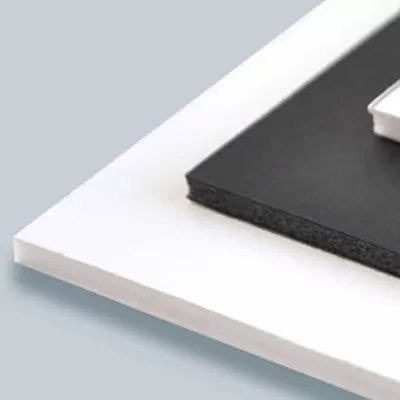
Choose backing board for the artwork, mounting method, and finished frame. Start with our short video overview, then follow the material, thickness, and sizing comparisons below.
Quick answer
Choose backing board for the material properties your artwork needs, then select a thickness that fits the complete framing package. Acid-free foam core provides lightweight support for photographs, prints, and documents; regular foam core or cardboard can suit replaceable projects. Black board, self-adhesive board, Gatorfoam, and plywood serve different presentation or mounting needs.
Watch: picture frame backing board types explained
This 45-second overview explains the support backing board adds behind artwork. Use the guide below to compare the current materials and decide what to order.
Decide whether the board is backing, mounting support, or both
Backing board supports the package behind the artwork and helps close the rear of a frame. Mounting board provides a surface for an appropriate method of attaching the artwork. One board can serve both roles.
A non-adhesive board does not attach the artwork by itself. Select hinges, corners, or another mounting method for the artwork. A self-adhesive board combines the support with a permanent bonding surface.
Step 1: Choose the material for the artwork
Decide whether the artwork needs acid-free support, a dark face or edge, a rigid display board, or economical backing for replaceable work. Compare the board material before choosing an attachment method.
| Material | Useful when | Current thickness choices |
|---|---|---|
| Regular white foam core | You need lightweight backing for suitable replaceable posters, prints, or indoor projects. | 1/8 inch or 3/16 inch |
| Acid-free white foam core | Your photographs, prints, or documents call for acid-free backing or mounting support. | 1/8 inch or 3/16 inch |
| Black acid-free foam core | A dark face or exposed edge is useful in the presentation. | 3/16 inch |
| Self-adhesive foam core | Suitable replaceable media can be mounted permanently to a pressure-sensitive adhesive surface. | 3/16 inch |
| Corrugated cardboard | You want economical backing for suitable replaceable work and general projects that do not need acid-free support. | 1/8 inch |
| Acid-free foam core and matboard set | You want a separate acid-free matboard support backed by a rigid foam-core layer, both cut to matching dimensions. | 1/4 inch combined: 3/16-inch foam core plus 1/16-inch four-ply matboard |
| Gatorfoam | An indoor mounting or display project benefits from a rigid foam board with hard wood-fiber facings. | 3/16 inch |
| Plywood | A compatible framing or mounting project calls for a wood panel. The Baltic birch plywood is supplied bare, unsealed, and unprimed. | 1/8 inch or 1/4 inch |
For conservation framing, choose a verified acid-free support and an appropriate attachment method. The Gatorfoam, cardboard, and plywood products listed here are not identified as acid-free conservation boards.
Step 2: Compare board thickness and frame depth
Add the board thickness to the artwork, glazing, mats, spacers, and mounting layers. Compare the complete package with the usable frame rabbet depth.
A 1/8-inch foam board saves 1/16 inch compared with a 3/16-inch board. The two-board matboard set uses approximately 1/4 inch before adding the artwork or glazing. Choose thickness for the support the project needs as well as the available space.
Add the whole package: glazing + mats or spacers + artwork and mounting layers + backing board. The rabbet-depth guide shows how to check that space.
Step 3: Choose how the artwork will be held
Decide whether the artwork may be mounted permanently or needs to remain removable. Choose adhesive board only when a permanent bond is appropriate; use a suitable reversible method when future removal matters.
For photographs, prints, and documents you want to keep removable, select an artwork-appropriate method such as hinges or corners with suitable backing. The print-framing guide explains these choices in more detail.
Self-adhesive foam core has a protective release liner and creates a permanent bond. Plan the position before exposing the adhesive. Acid-free material and reversible attachment are separate considerations.
Step 4: Measure and order the finished board
Measure the finished board width and height required by the framing package, including fractional inches. Enter those dimensions to compare current product availability and prices.
- Measure a correctly fitting existing board, or establish the board dimensions required by the frame package.
- For matted work, compare the board with the outside dimensions of the mat, not just the visible artwork.
- Record width and height in inches, including fractions.
- Enter the dimensions on the mounting and backing-board collection to compare available products and current prices.
When starting from artwork rather than an existing frame package, use the artwork measurement guide to plan the complete design.
Frequently asked questions
What is the difference between backing board and mounting board?
Backing board supports the artwork package behind the art. Mounting board provides a surface for an attachment method. A board can serve both roles, but the board material and the attachment method are separate choices.
Should I choose acid-free or regular foam core?
Choose acid-free foam core when the project calls for acid-free support, including photographs, prints, and documents intended for longer-term framing. Regular foam core is an economical choice for suitable replaceable posters and general indoor projects.
Should I use 1/8-inch or 3/16-inch foam core?
Choose the thickness for the support needed and the available frame depth. The 1/8-inch board saves 1/16 inch compared with 3/16-inch board. Include the artwork, glazing, mats, and mounting layers when checking the complete package.
Is self-adhesive foam core removable?
The self-adhesive foam core offered here creates a permanent bond. Use it for suitable replaceable work that can be mounted permanently. Choose a reversible attachment method when future removal matters.
What size backing board should I order?
Order the finished board width and height required by the framing package. In a matted frame, this commonly follows the outside dimensions of the mat rather than the visible image size. Measure a correctly fitting existing board or check the required frame-package dimensions.
When is plywood useful as picture-frame backing?
Plywood is an option for compatible framing and mounting projects that call for a wood panel. The Baltic birch plywood offered here is supplied bare, unsealed, and unprimed in 1/8-inch and 1/4-inch thicknesses. Use a suitable acid-free support layer for valuable paper artwork rather than placing it directly against plywood.
Choose your next step
Shop mounting and backing boardsEnter your finished dimensions and compare current prices.
Fit the package into a wood frameFollow the sequence for glazing, artwork, backing, and securing hardware.
Assemble a metal frameReview frame rails, corner hardware, and the assembly sequence.
Watch individual material demonstrationsExplore regular, acid-free, black, cardboard, matboard, and Gatorfoam videos.
Made in the USA
Handcrafted by American framing experts
Family Owned
Serving customers for over 40 years
Premium Shipping
Professionally packaged for safe delivery
Ready to Hang
Hardware included with all frames
Framing Specialists
Over 40 years of custom framing experience